The Kelp Highway
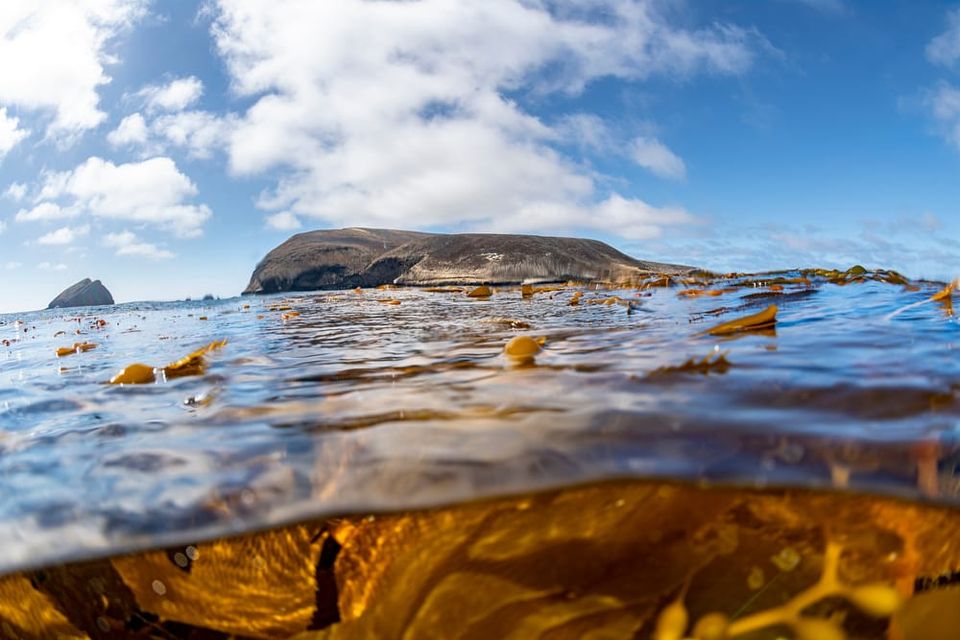
For centuries, people have been asking the question of how humans first arrived in the Americas; only recently has the explanation accepted for the past hundred years been replaced with an exciting new reimagining.
Perhaps you're familiar with the textbook explanation of how humans arrived in the Americas? You probably learned about it in school or have read it multiple times over the years, but the assumption was that humans walked from Siberia to Alaska across an exposed land bridge when sea levels were lower.
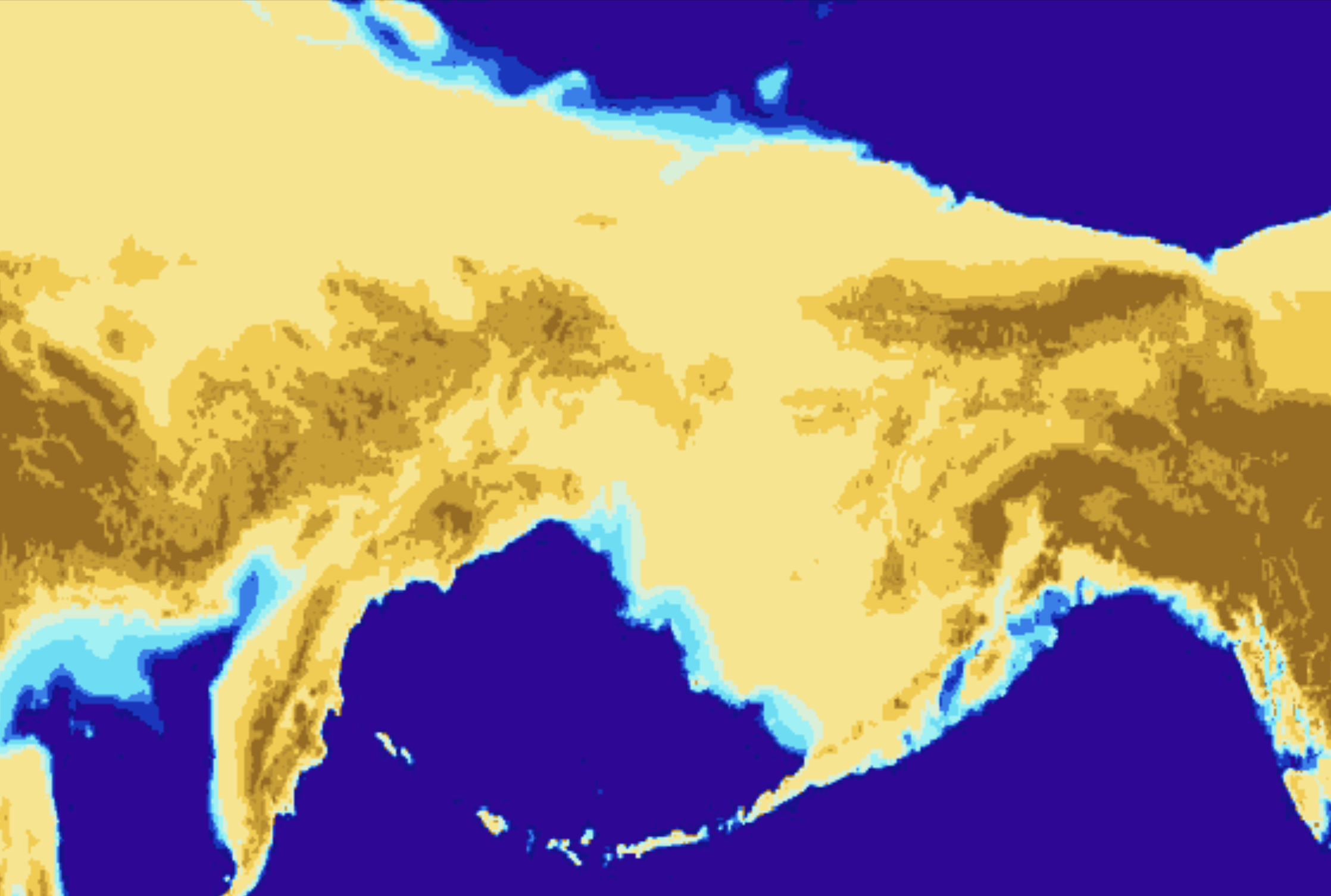
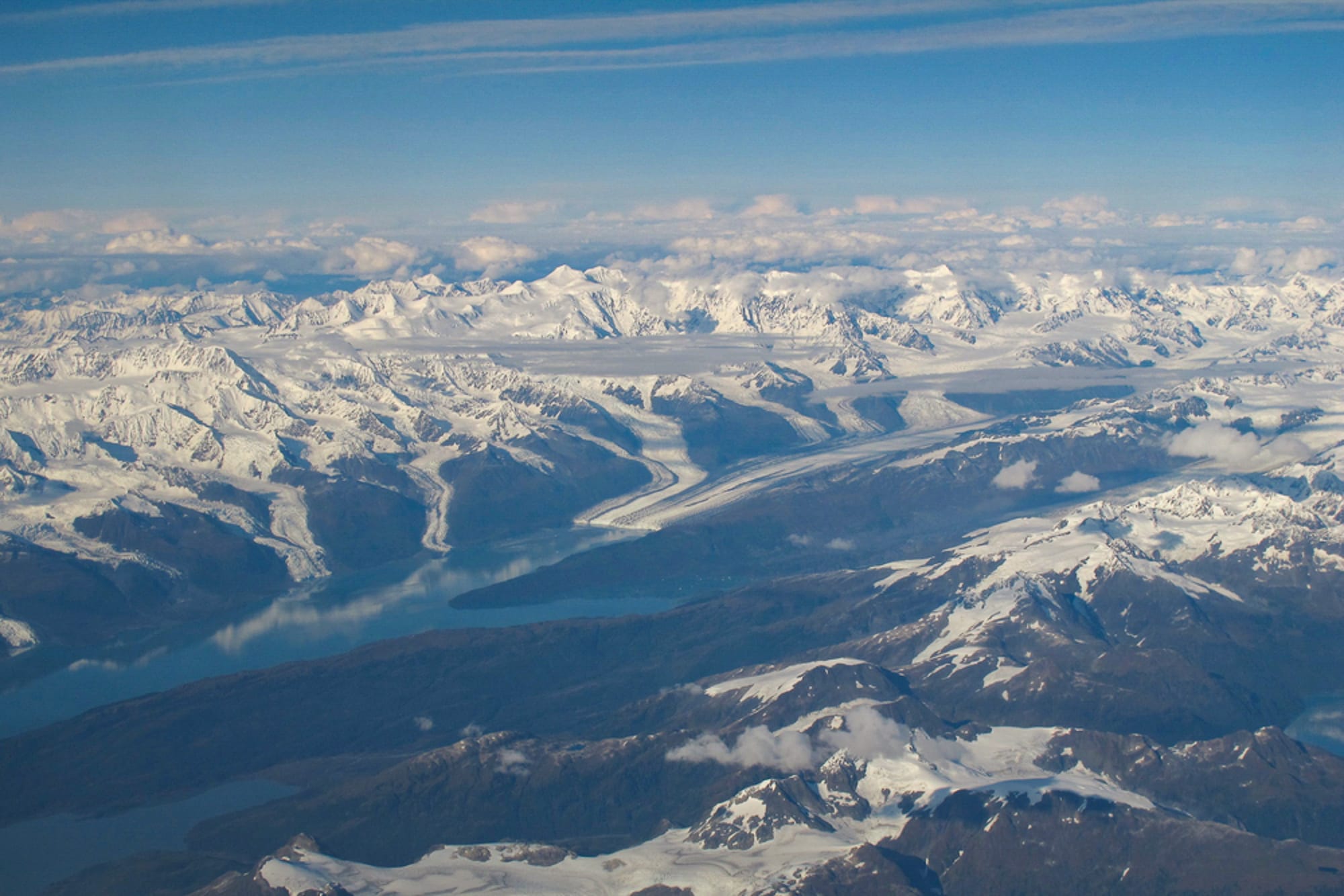
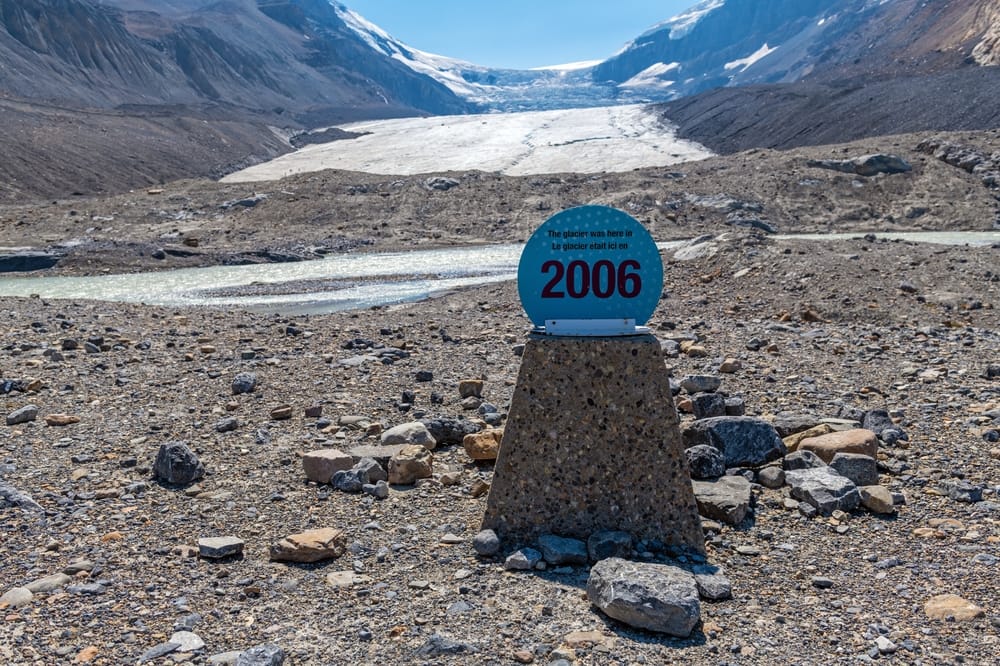
At that time, much of Alaska, Canada, and the northern reaches of the United States were covered in sheets of glacial ice. But these vast ice fields also advanced and retreated, and there were periods when ice-free corridors opened up, so it was thought that migrating humans followed these open corridors.
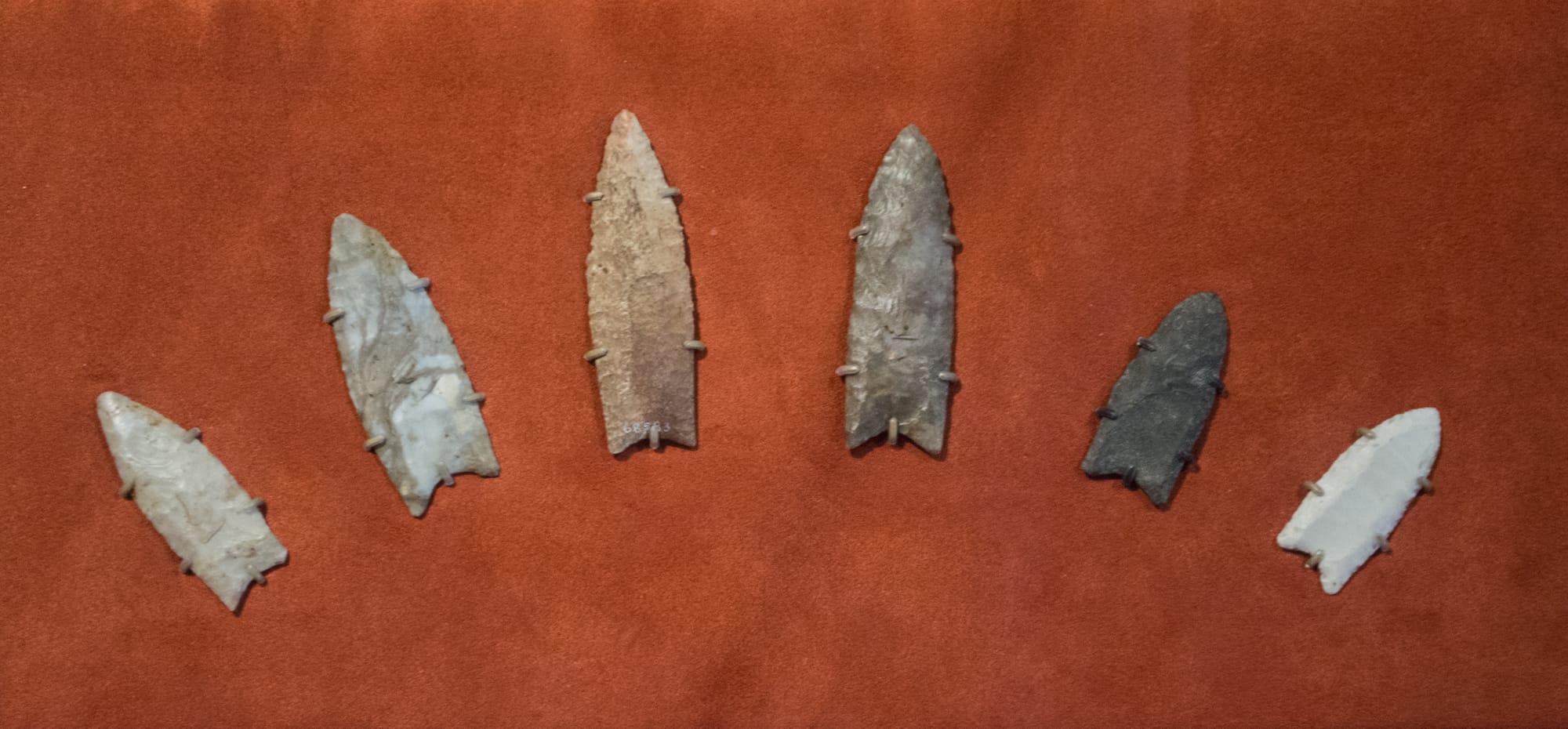
For a long time, the key piece of evidence supporting this idea was the presence of stone tools and archeological sites linked to a wave of Paleoindians known as the Clovis people. The Clovis culture in North America peaked around 13,000 years ago, around the time that ice-free corridors started opening up.
Unfortunately, there are multiple problems with this idea. For example, after glaciers melt, the landscape remains barren and empty for centuries. And when animals started using these areas again, they would have been large, dangerous, unpredictable sources of food.
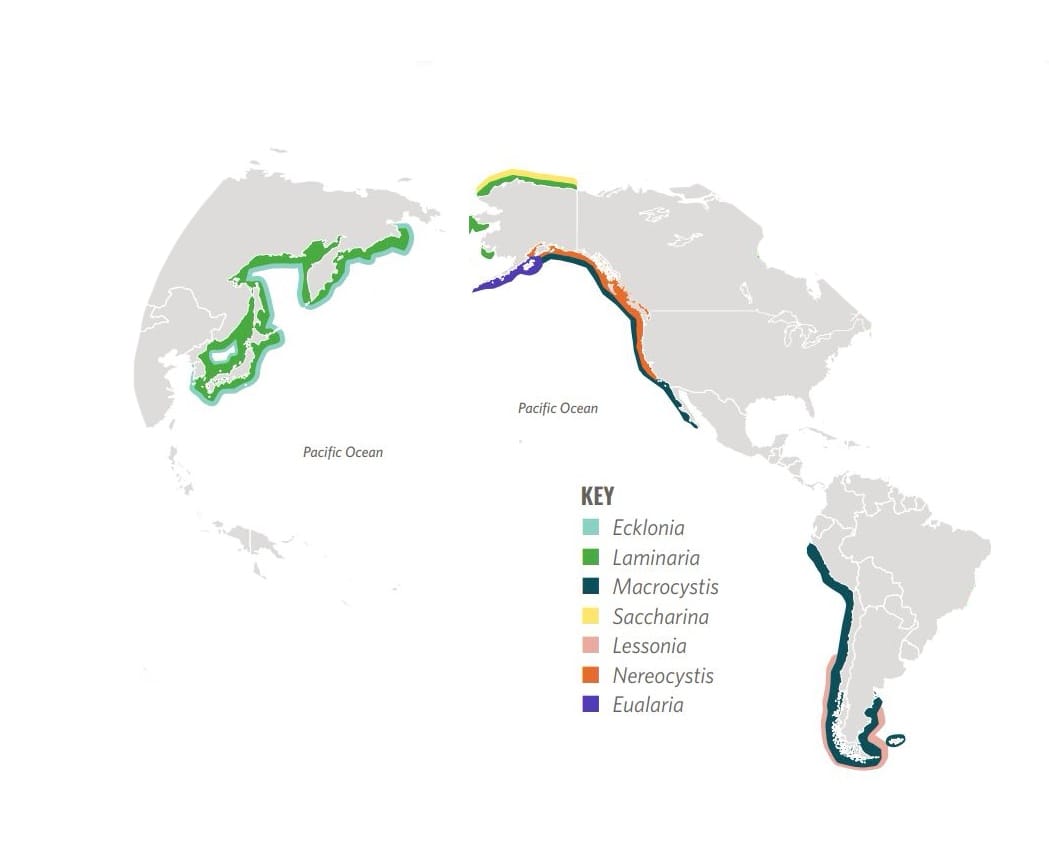
In 2007, a new hypothesis named "The Kelp Highway" was formally proposed. This idea suggested that humans were far more likely to have followed the belt of nearly continuous kelp beds that lined Pacific coastlines from Siberia to the tip of South America (absent a gap in tropical regions).
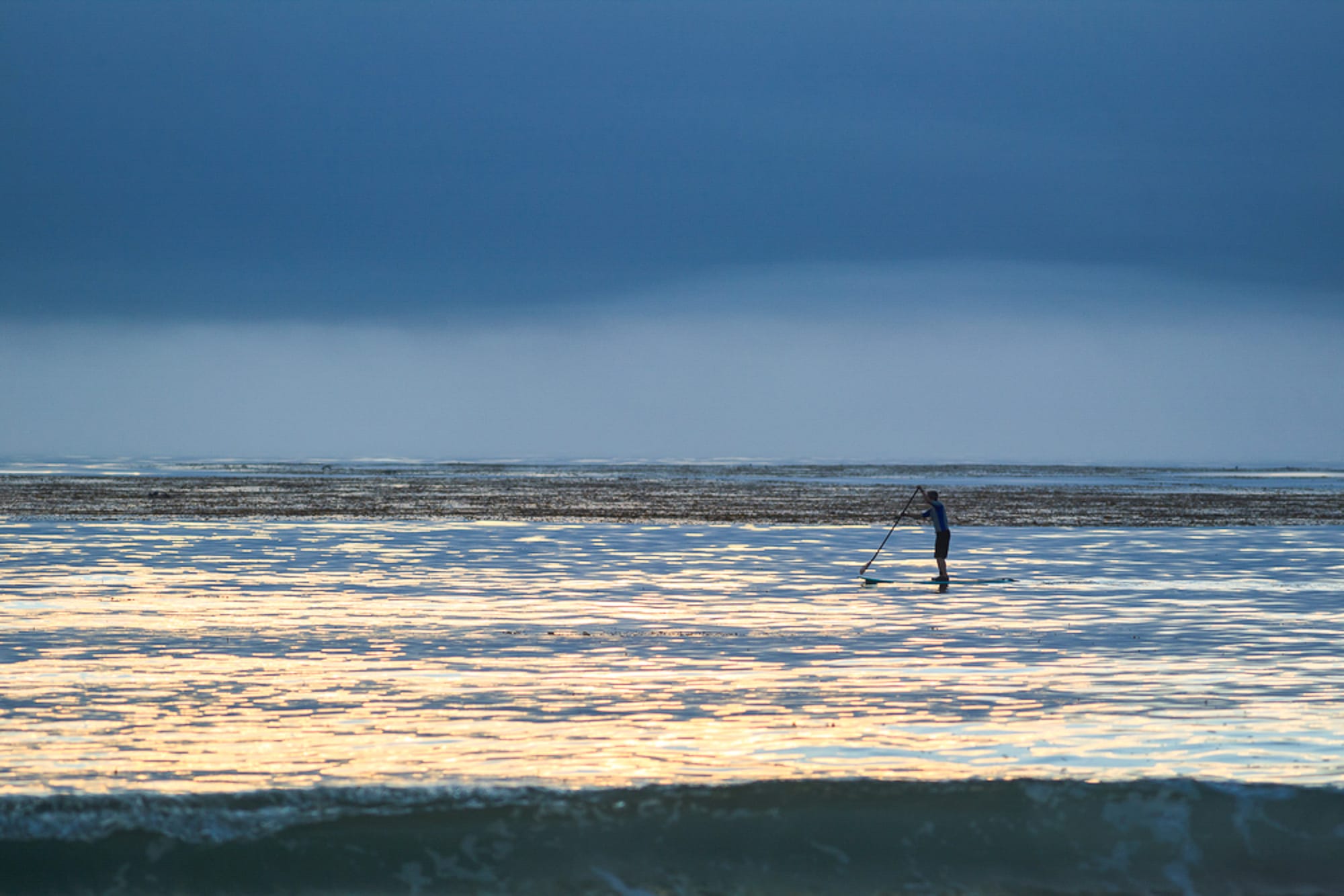
The advantages of following a "kelp highway" are that kelp beds are the most productive marine habitats in the world, providing a constant source of abundant, dependable, familiar, and easily captured foods. Even better, especially for early peoples using primitive boats, kelp beds dampen surging waves and would have provided endless opportunities to tie up a boat while waiting for food, weather, or changing conditions.
Challenging long-held beliefs is a tough road to walk, and this new idea initially encountered strong opposition, but the tides turned quickly after an archeological site in southern Chile was found to be a thousand years older than any known Clovis site. Not only did this site predate the ice-free corridor, but it meant that people had migrated the full length of North, Central, and South America long before anyone realized.
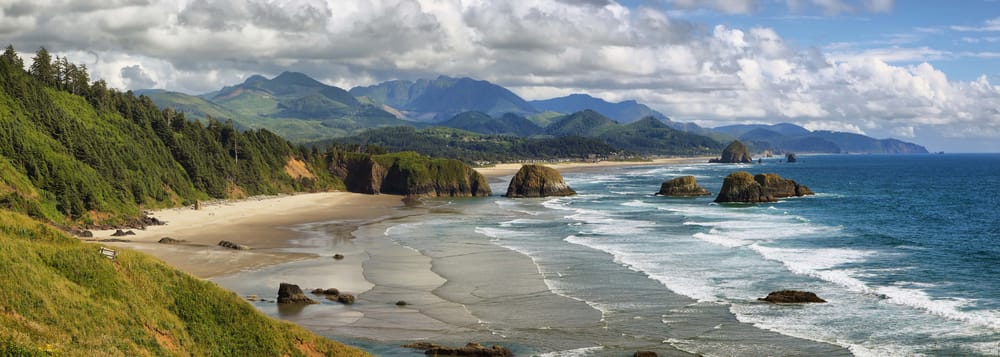
If you check out the Pacific Coast today, it's not immediately clear that people could have followed and survived on a "kelp highway." You might only see a few areas with kelp, but what you're missing is the fact that an estimated 96% of the kelp habitats have been lost in the past decade alone. Not only are kelp forests being lost, but an unfathomable abundance of marine life has been lost as well.
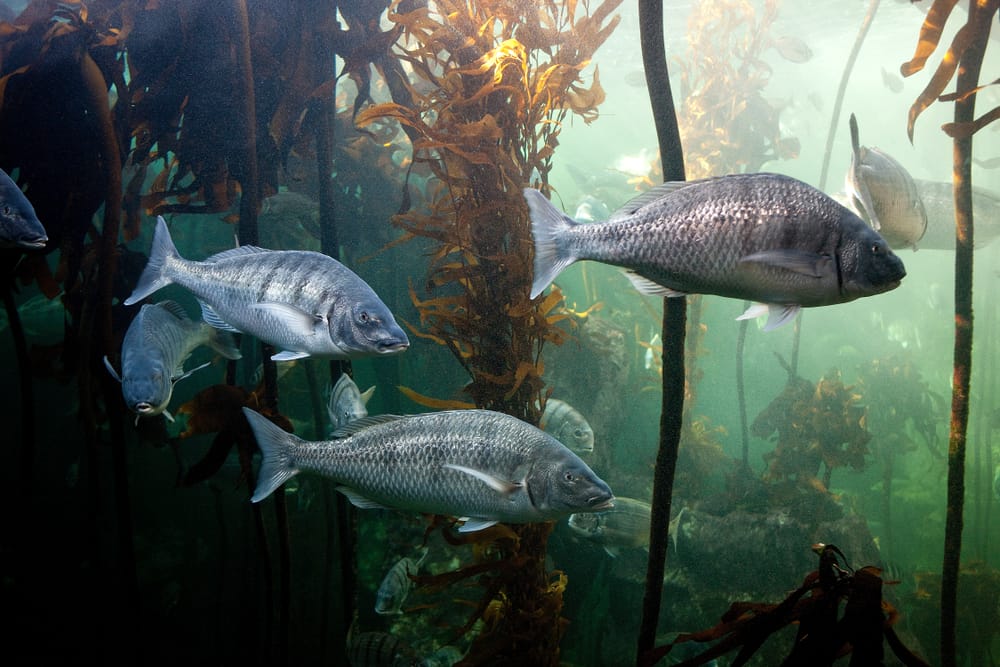
There was a time when you could have boated slowly and luxuriously for months on end down an endless ribbon of kelp, surrounded by a glorious cacophony of birds, surging whales, sea otters, crabs, abalones, and countless schools of fish. What a way to be welcomed to the New World!
Additional Resources:
There are a number of excellent videos on YouTube that cover this story.
Most archaeologists think the first Americans arrived by boat. Now, they're beginning to prove it Is short and easy to watch.
How People Actually Got to The Americas Is a longer, and more in-depth video.
One If by Land, Two If by Seas: Who Were the First Californians? Book chapter by Jon Erlandson, who first proposed The Kelp Highway hypothesis in 2007.

Member discussion