Chasing the Guys

You can't talk about the wacky world of animal sex without mentioning the bizarre case of spotted sandpipers.
On my recent trip to Idaho, I witnessed a behavior I'd never seen before. Two female spotted sandpipers were relentlessly chasing a male in circles around a mountain river. After a few minutes, I started to feel sorry for this poor fellow, but after an hour, I started to get downright worried about him because they rarely gave him more than a few moments' rest.

What I was witnessing was one of the more remarkable breeding strategies in the bird kingdom, an example of reversed sex roles taken to the extreme. There are a few birds in the world with reversed sex roles (some phalaropes, jacanas, and spotted sandpipers), where females defend territories and court males, while males incubate eggs and raise the chicks, but spotted sandpipers practice reversed sex roles on steroids.
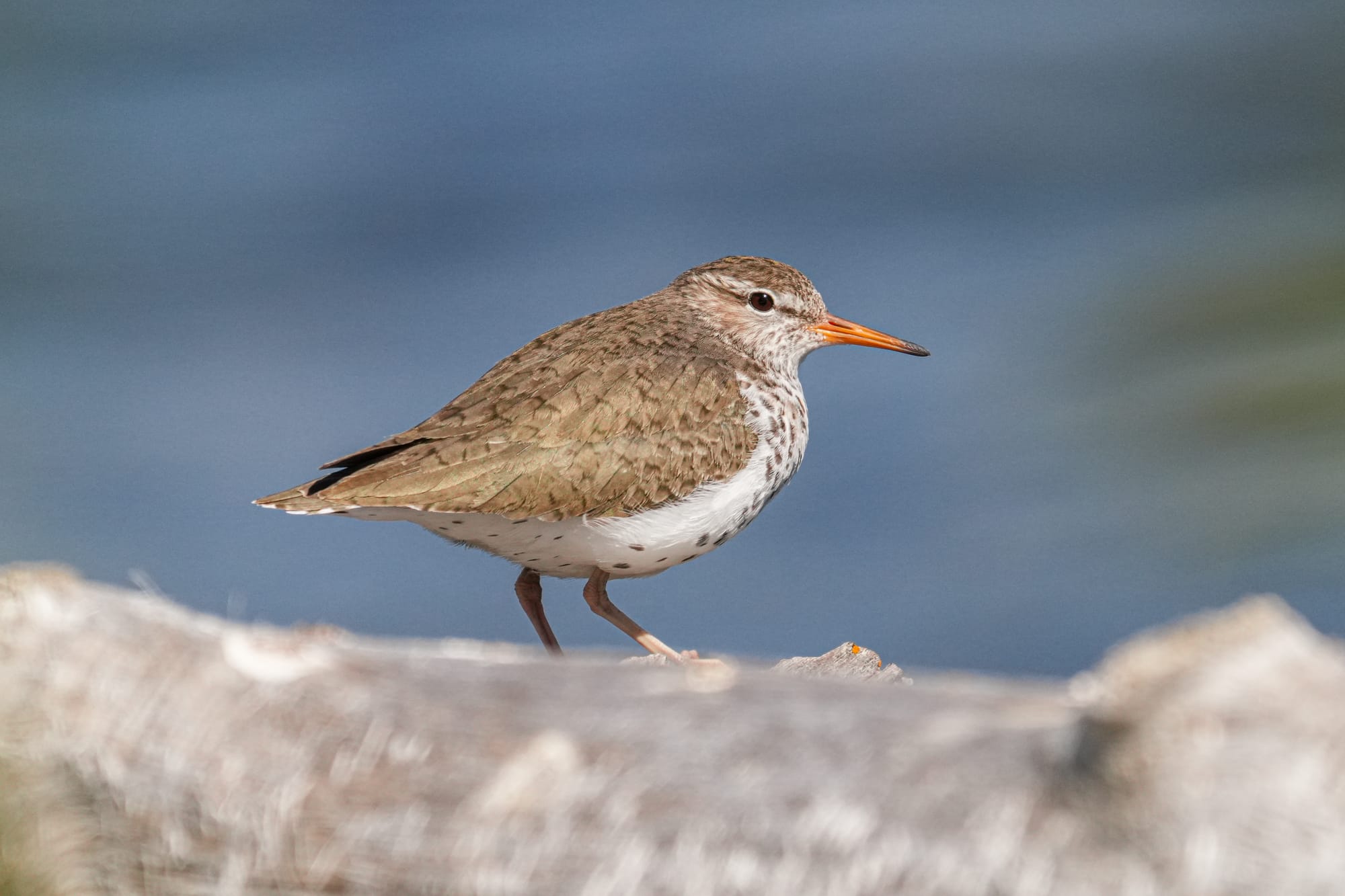
Spotted sandpipers are the most wide-ranging sandpipers in the Americas. They are literally found almost everywhere there is some type of water, from coast to coast, from the northern limits of Alaska to the southern end of South America. In fact, one of my most profound memories was working at an incredibly remote location deep in the Amazon rainforest, where everything felt totally alien and unfamiliar, when a small group of spotted sandpipers suddenly dropped out of the sky and landed on a riverbank in front of me. That was the lightning bolt moment when I first understood how birds connected continents and wove landscapes together.
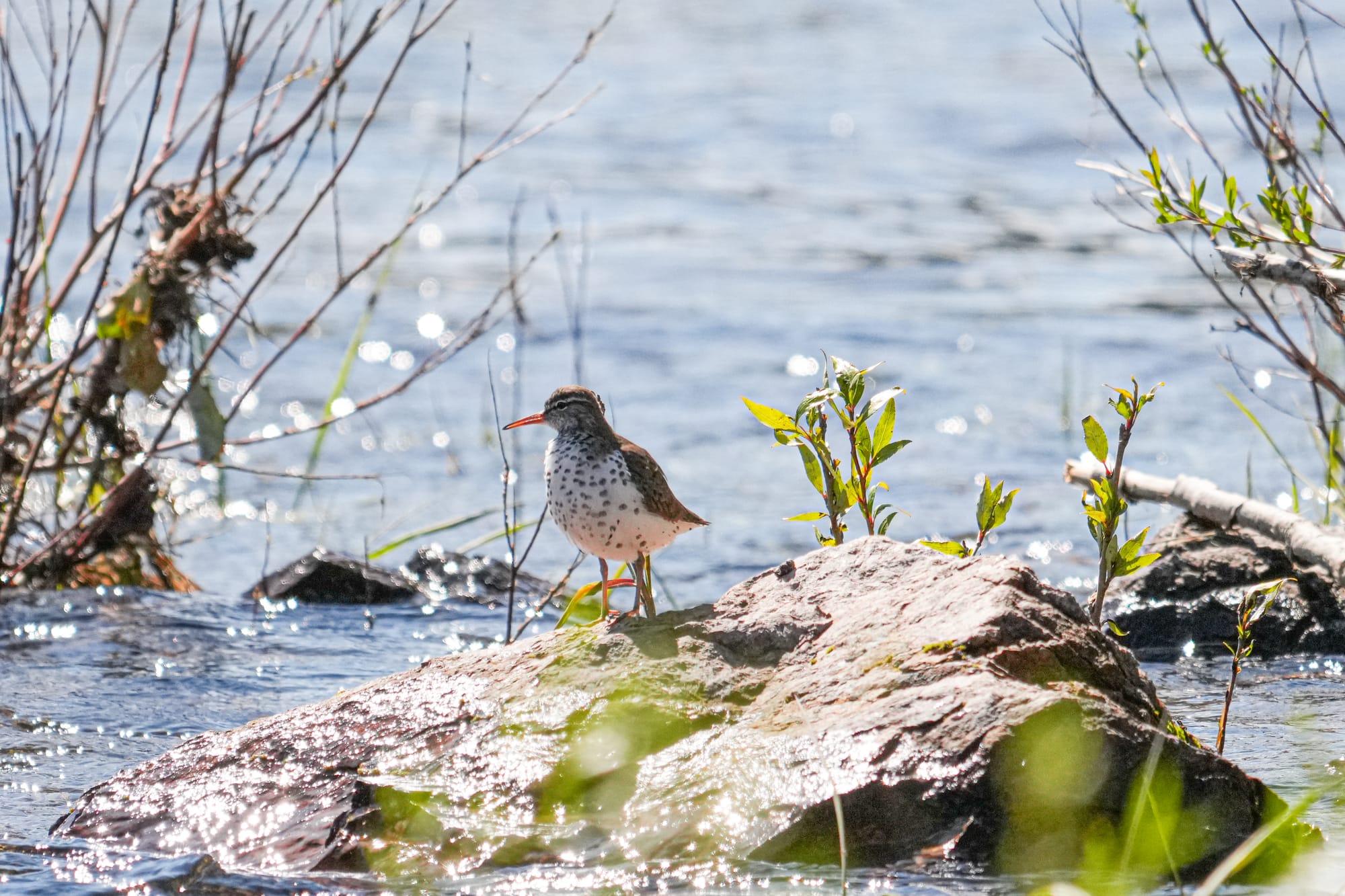
Wherever you find spotted sandpipers, you are likely to hear them because they have loud, strident calls designed to outshine crashing ocean waves and raging river rapids. And during the breeding season, these birds call incessantly as they chase, squabble, and fight over territories.

This all seems like normal bird behavior except that in the case of spotted sandpipers, females arrive on the breeding grounds before males and immediately start fighting other females for the best territories. Even as females are working out their differences, males start arriving, and this is when females ratchet up the intensity to the point that it's a little overwhelming.
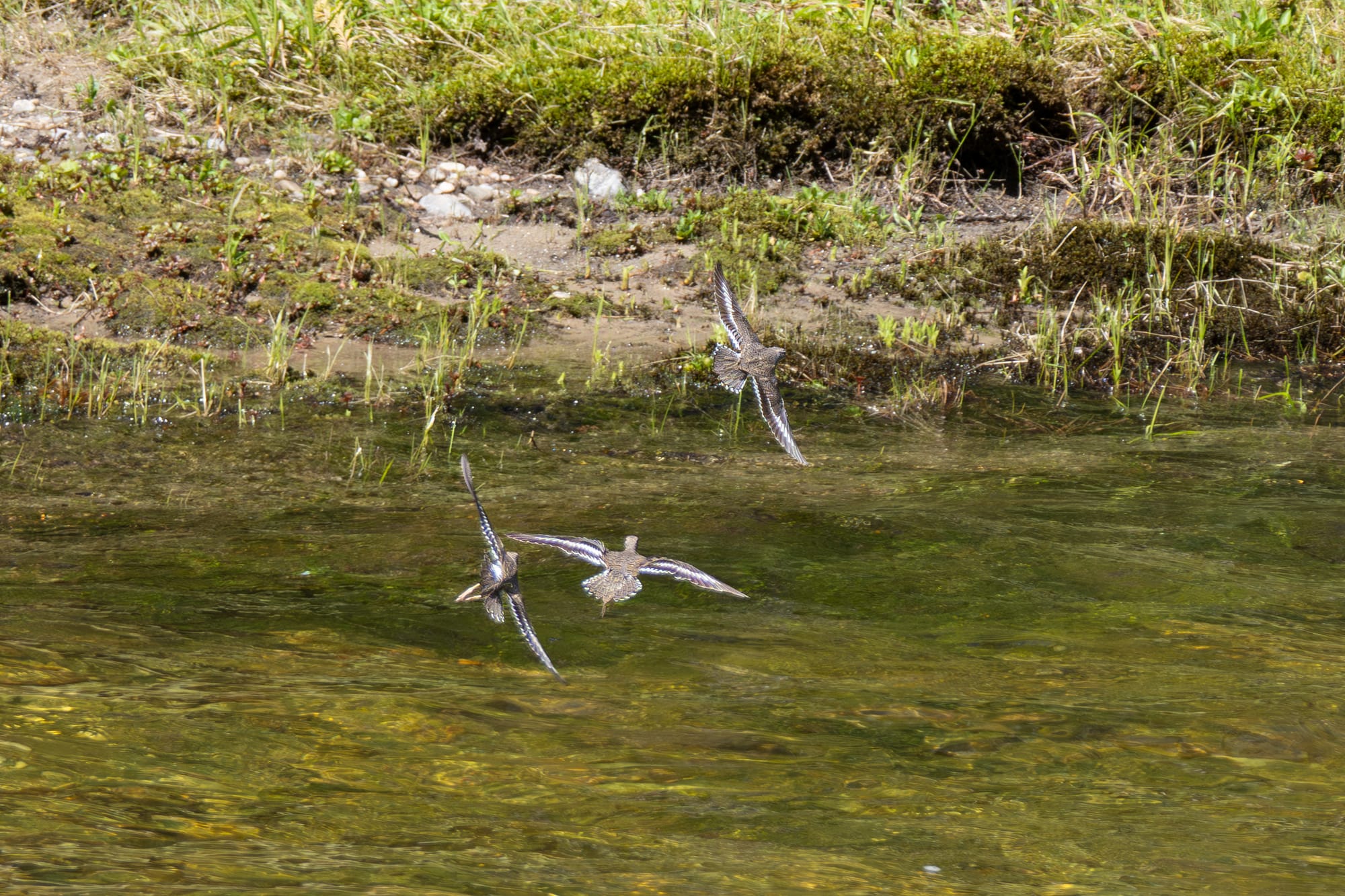
Each male will be claimed by a female within minutes of showing up, but females still continue to fight for access to males and territories. These fights are vicious and commonly lead to serious injuries as females try to get on each other's backs, peck at each other's eyes, and attempt to flip each other over to break or injure the wings and legs of their opponents.

The entire time, females continue singing (a loud series of weet calls), while trying to attract males and chasing after males already claimed by other females. Somehow, in the midst of this craziness, females manage to build simple nests with their mate and lay 1-5 eggs.
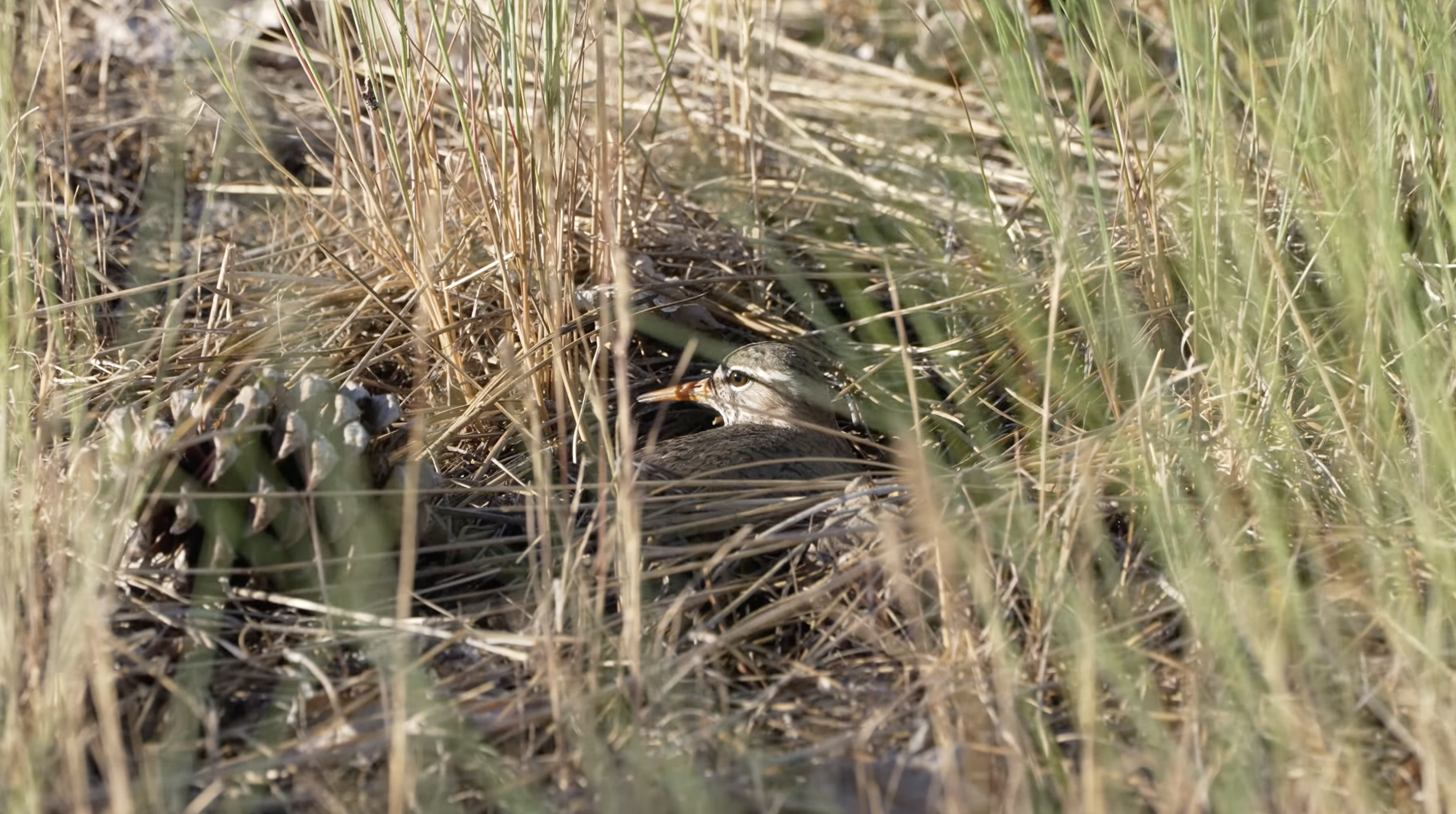
But then the female abandons the male, and he takes over the parental duties of incubating eggs and raising the chicks, while the female immediately tries to attract another male and start the whole process over again!

What's remarkable is that even this reversed, but relatively straightforward, story is far more complicated than it sounds because spotted sandpipers practice about every variation possible. For example, some females can be monogamous, while other females help with nesting duties or even take charge, and many females (as well as males) will even change their behavior throughout the nesting season.
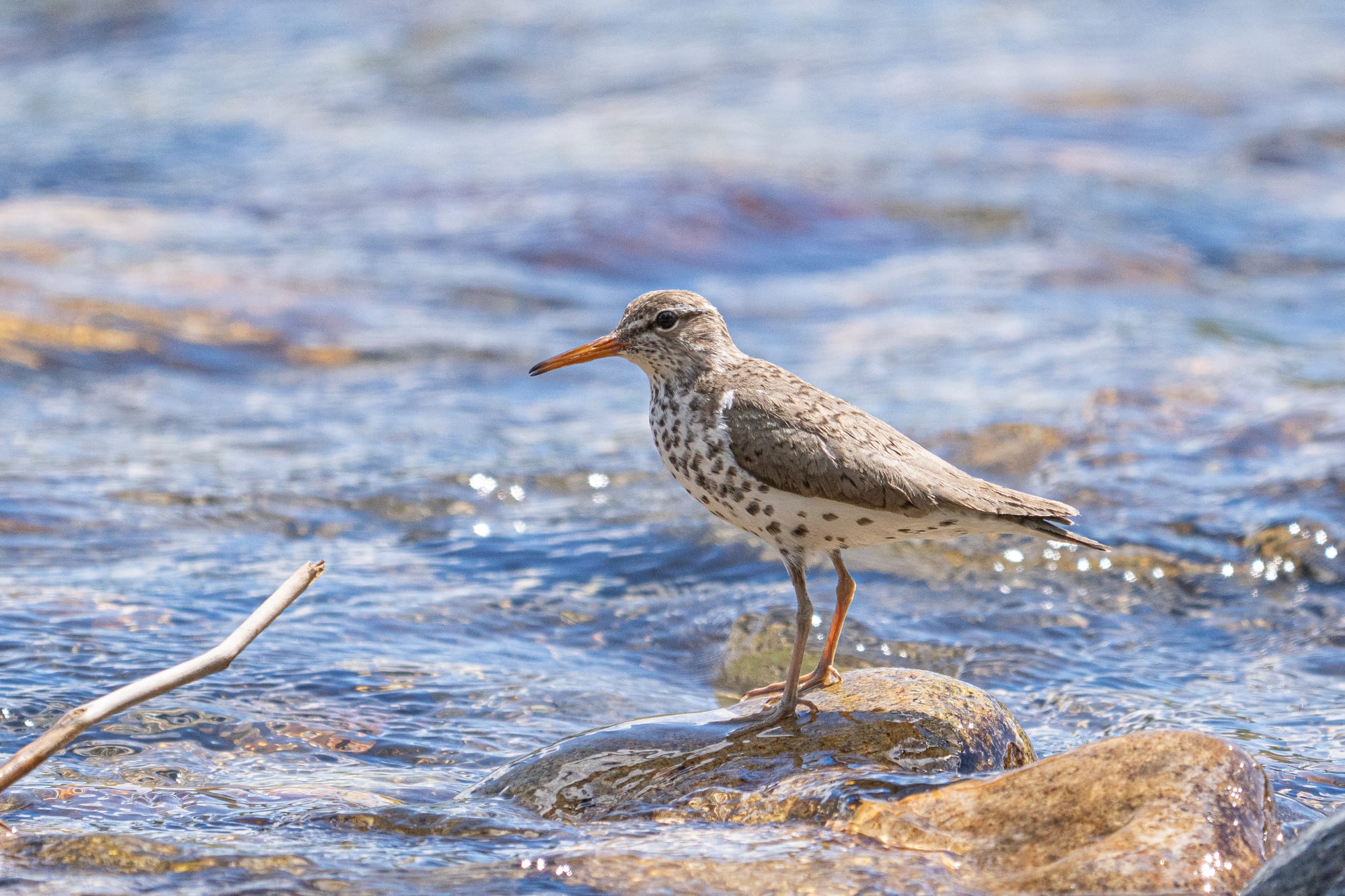
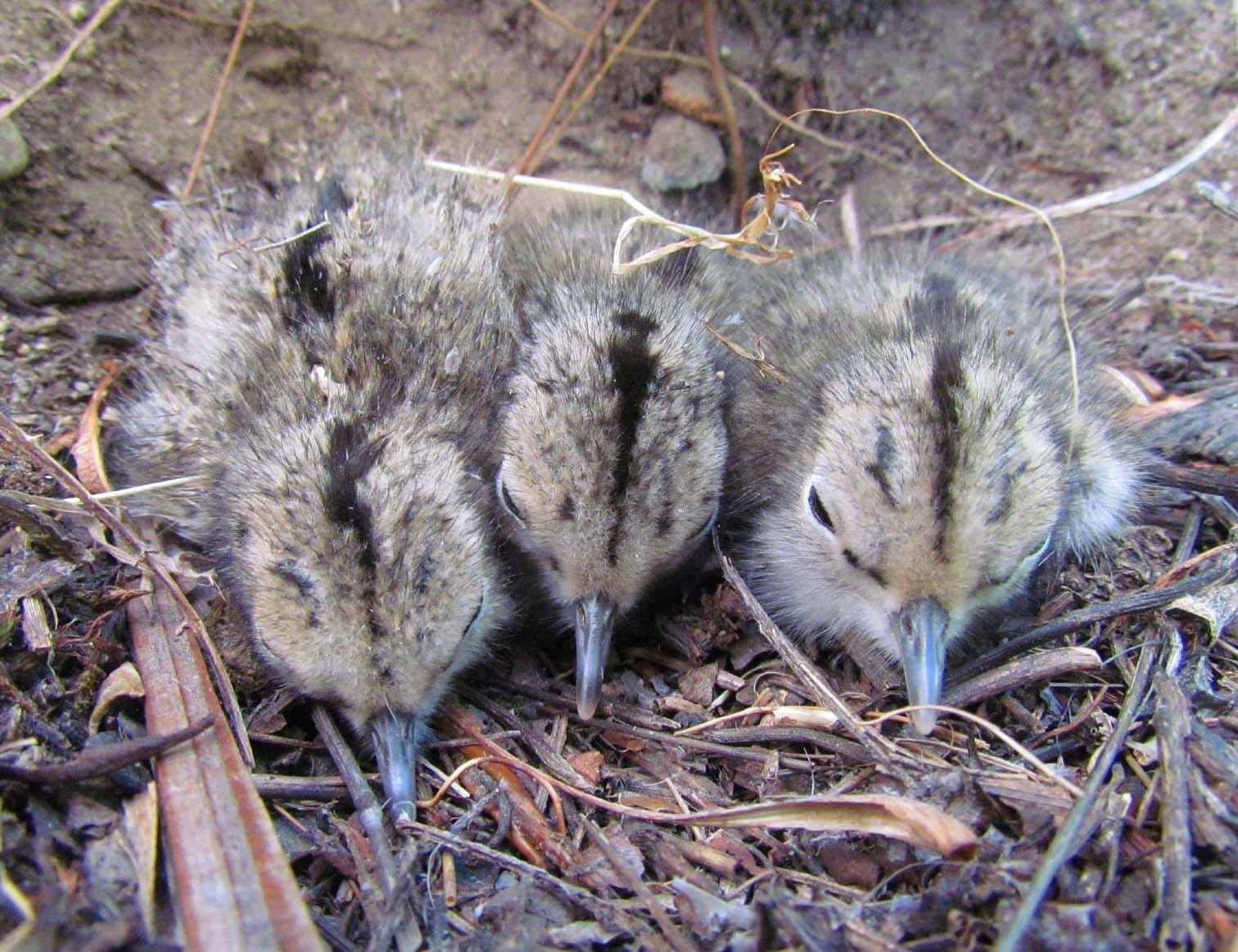
Males will also readily sing, chase after females, and fight other birds, and they are especially aggressive when defending their chicks because two out of every 10 attacks by neighboring birds result in skull fractures in chicks!
I visited our local river for a couple hours yesterday and everywhere I walked along the river there was constant calling, chasing, and fighting going on. In other words, the spotted sandpipers were up to their usual mayhem!
A rare bit of video I filmed of a spotted sandpiper on its nest.

Member discussion