Smoked Out
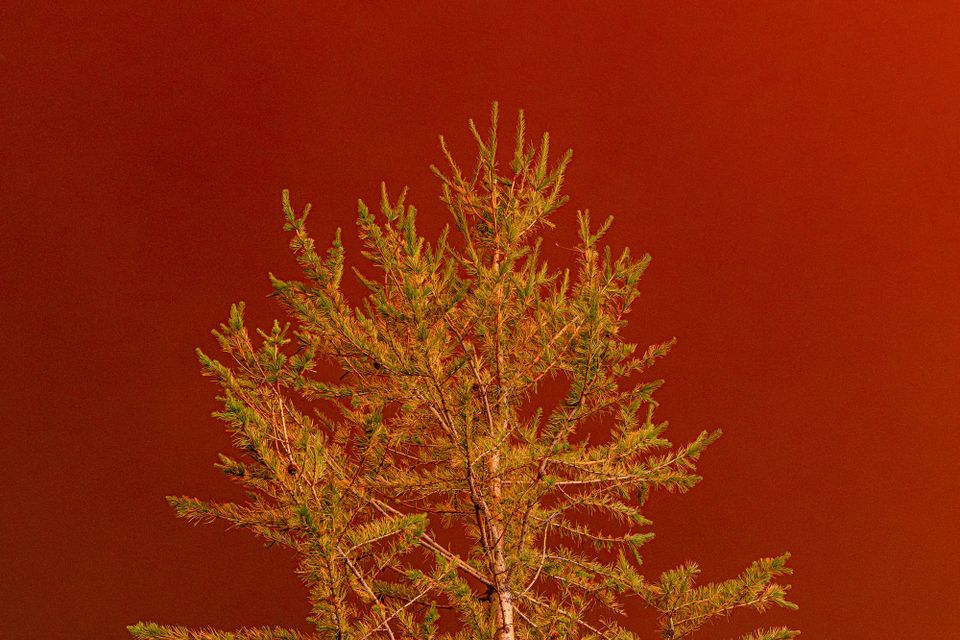
Raging wildfires have been daily headline news for months now, so it might be time to take a closer look at the impacts of wildfire smoke on human health.
I don't know what it's been like where you live, but here in the Pacific Northwest, many of us have spent the summer in a cloud of never-ending wildfire smoke. Instead of being able to go outside and enjoy the sun, we've been stuck inside the house for over a month, relying entirely on air filters and air conditioning to keep the air clean enough to breathe.
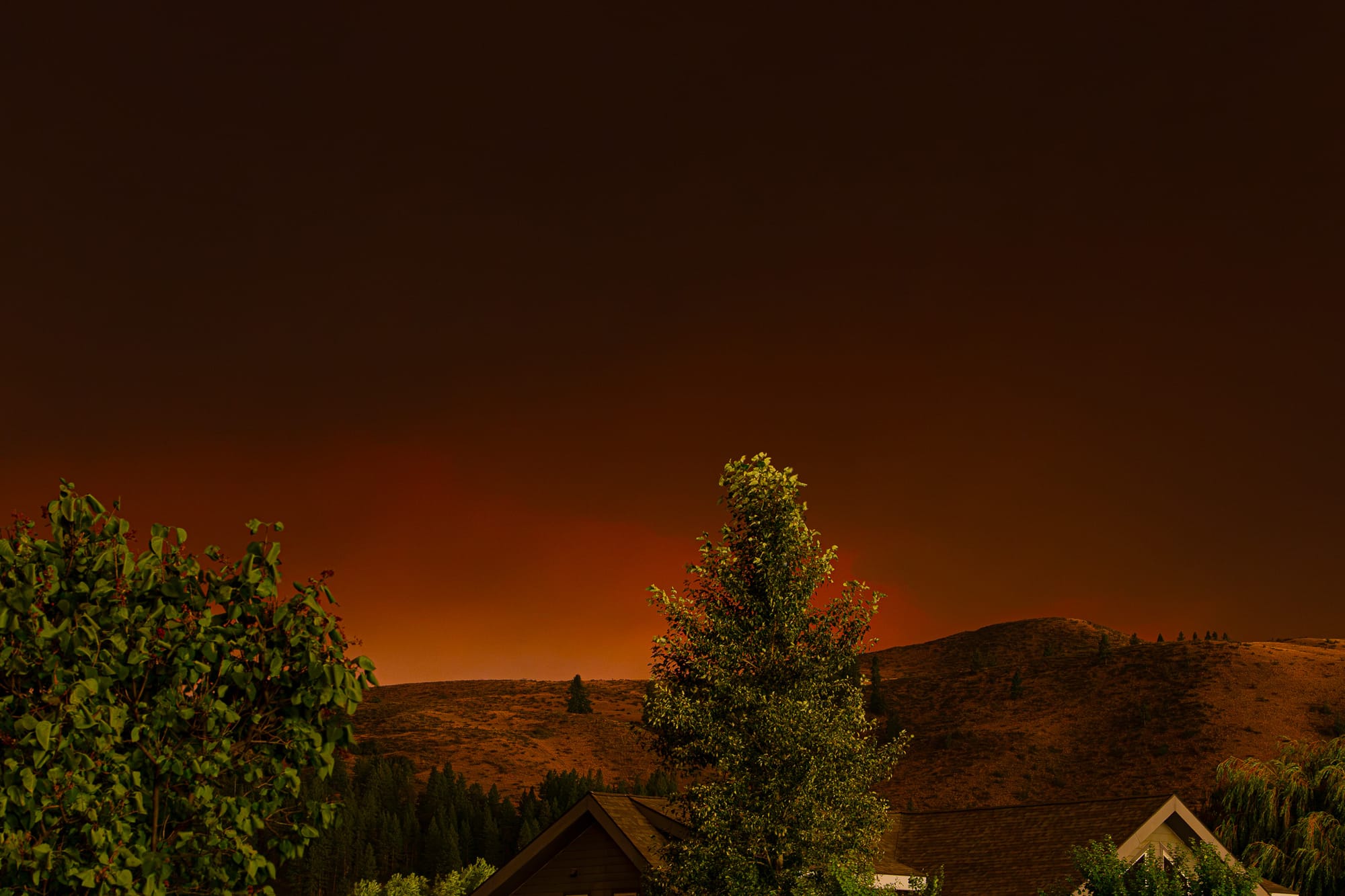
This has been a miserable summer, but it's looking increasingly like this will be to be our new norm for the foreseeable future. It's time that we start looking at the risks posed by all this smoke drifting across the nation.
I have to admit that I once spent four months on a wildland fire crew and loved the experience. For years afterward, I thought of it as the best job I ever had, and I celebrated the mythology of sleeping, eating, and working incredibly hard in suffocating smoke.
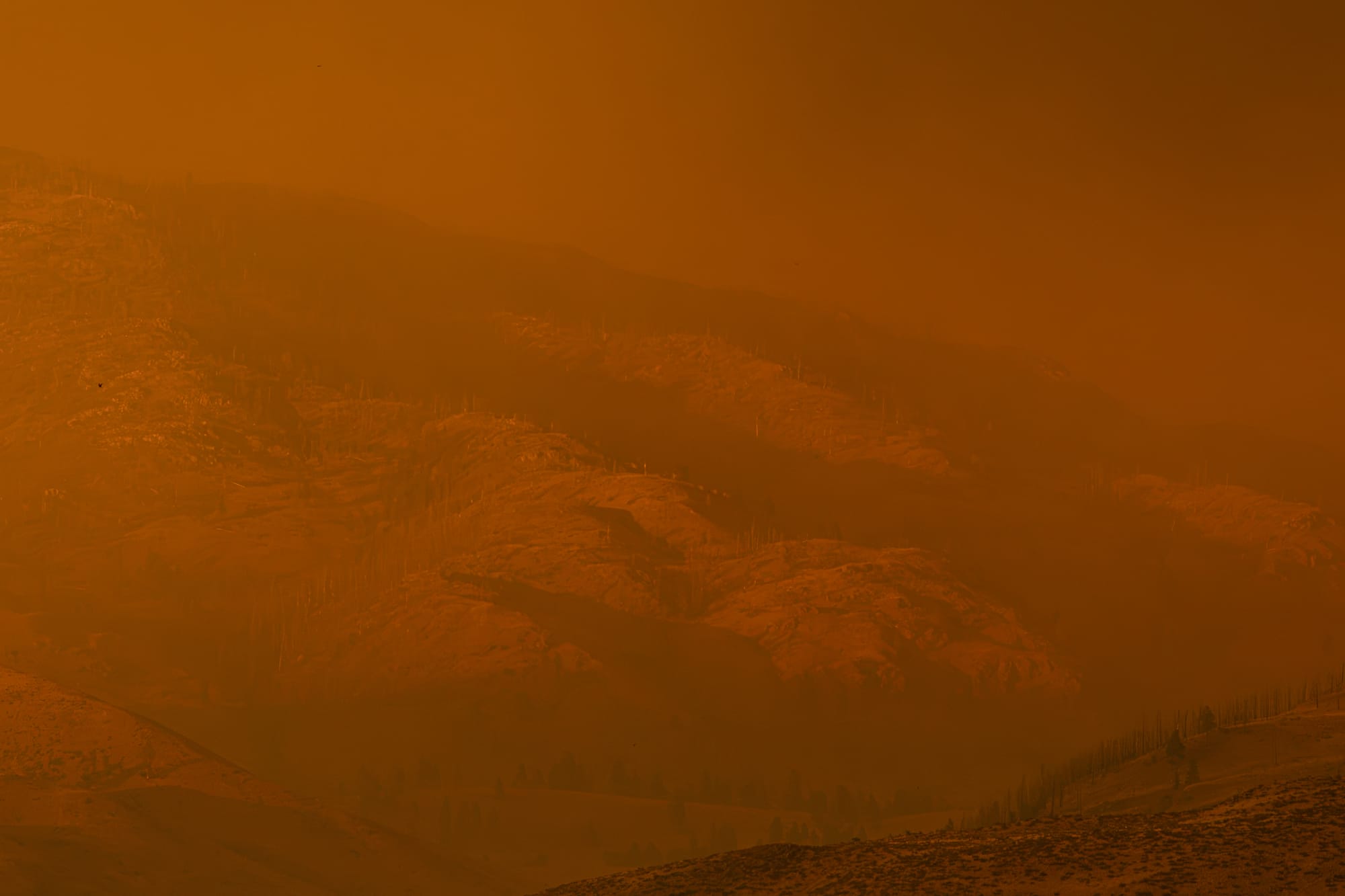
Little did I know how bad this smoke was for me, and in fact it wasn't until 2025 that the Forest Service even allowed firefighters the option of (voluntarily!) wearing any type of protective mask beyond a bandana because no one wanted to acknowledge how bad it was.
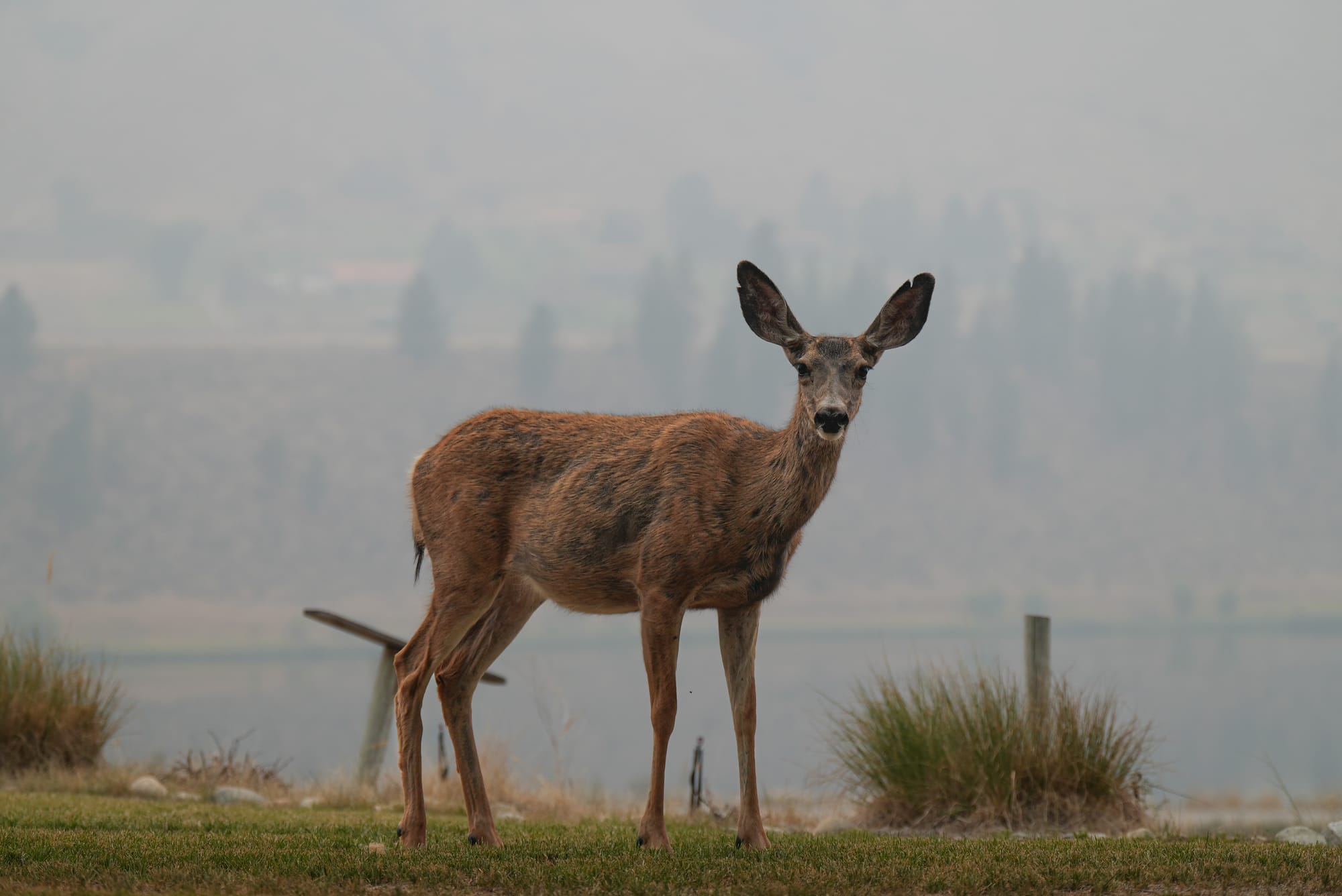
The list of ways that wildfire smoke impact human health is so extensive that I can't possibly discuss all of them in one newsletter, but I'll include some resources below if you'd like to do more reading on this topic.
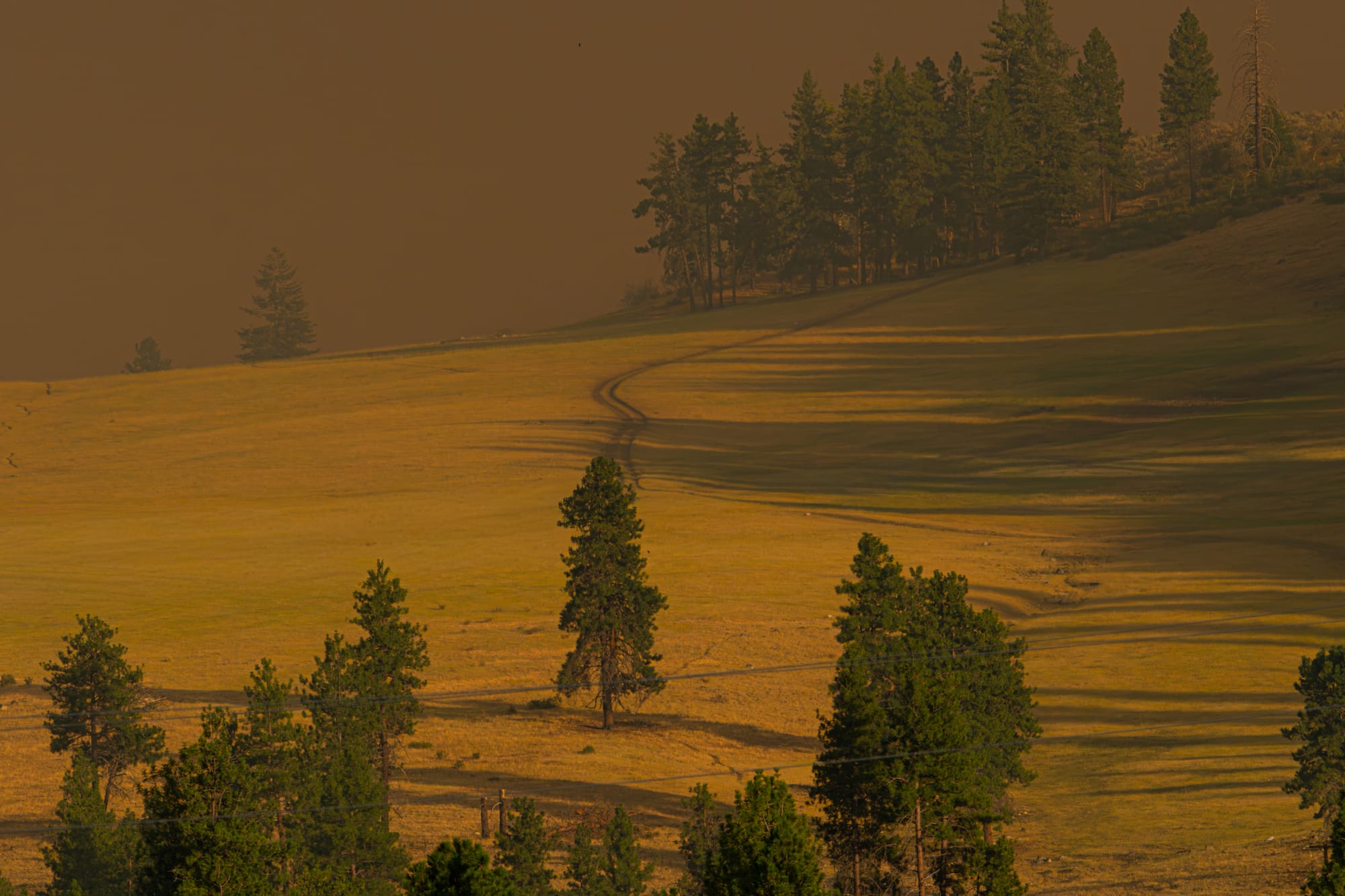
Briefly, the main impact of wildfire smoke is that 1000 different toxins have been recorded in wildfire smoke, and over 90% of the particles in wildfire smoke are nanoparticles. This means that these particles, along with their toxic baggage, are small enough to penetrate deep into our lungs, then cross directly into our bloodstream and internal organs.
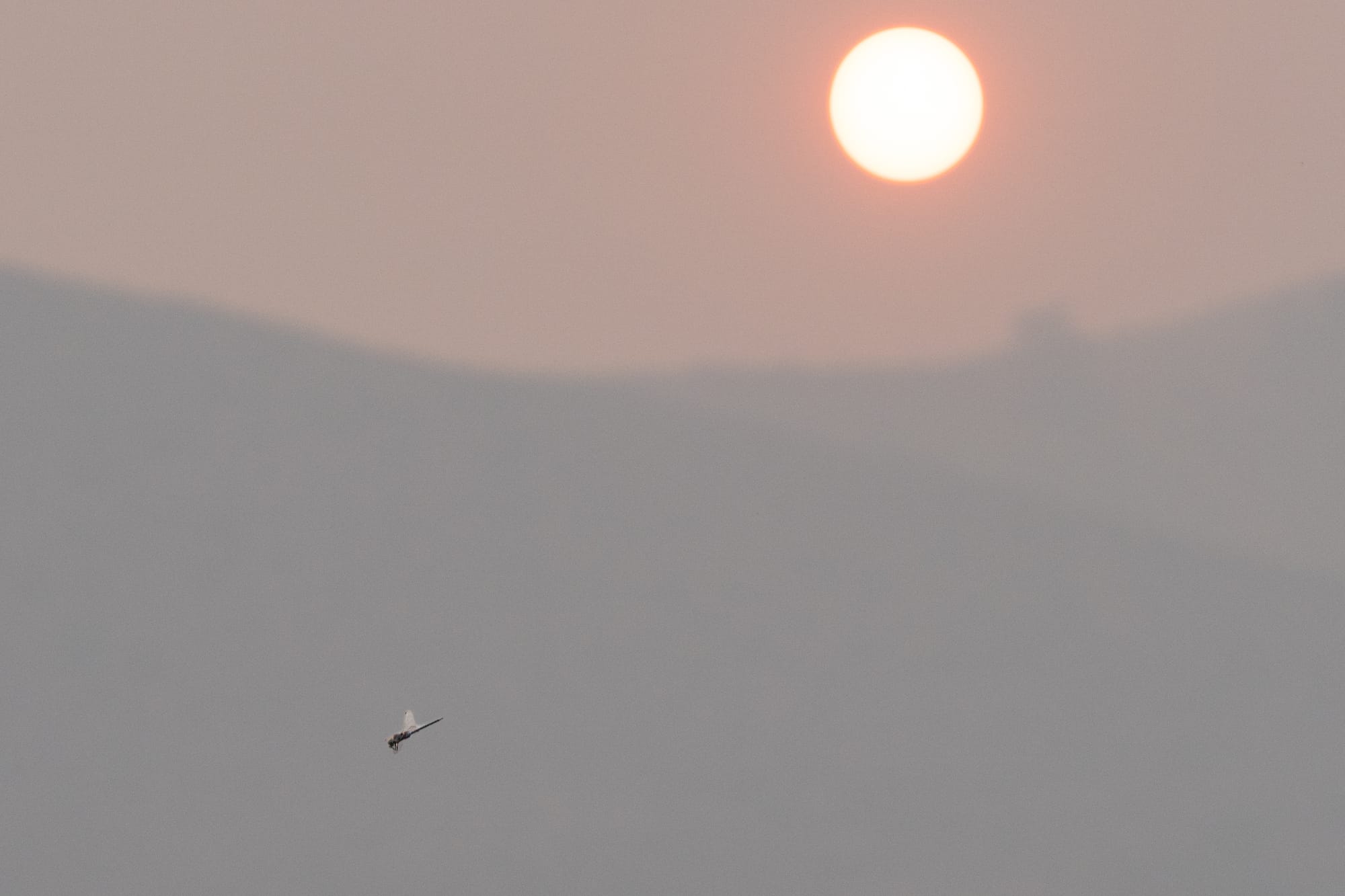
These toxic invaders set off a cascade of possible outcomes ranging from heart attacks to cognitive decline to premature births. These particles also cause oxidative stress, where an abundance of free radicals trigger chronic inflammation in lung, heart, and brain tissues. This can trigger asthma attacks, chronic obstructive pulmonary disease (COPD), lung damage, lung cancer, and many other serious outcomes.
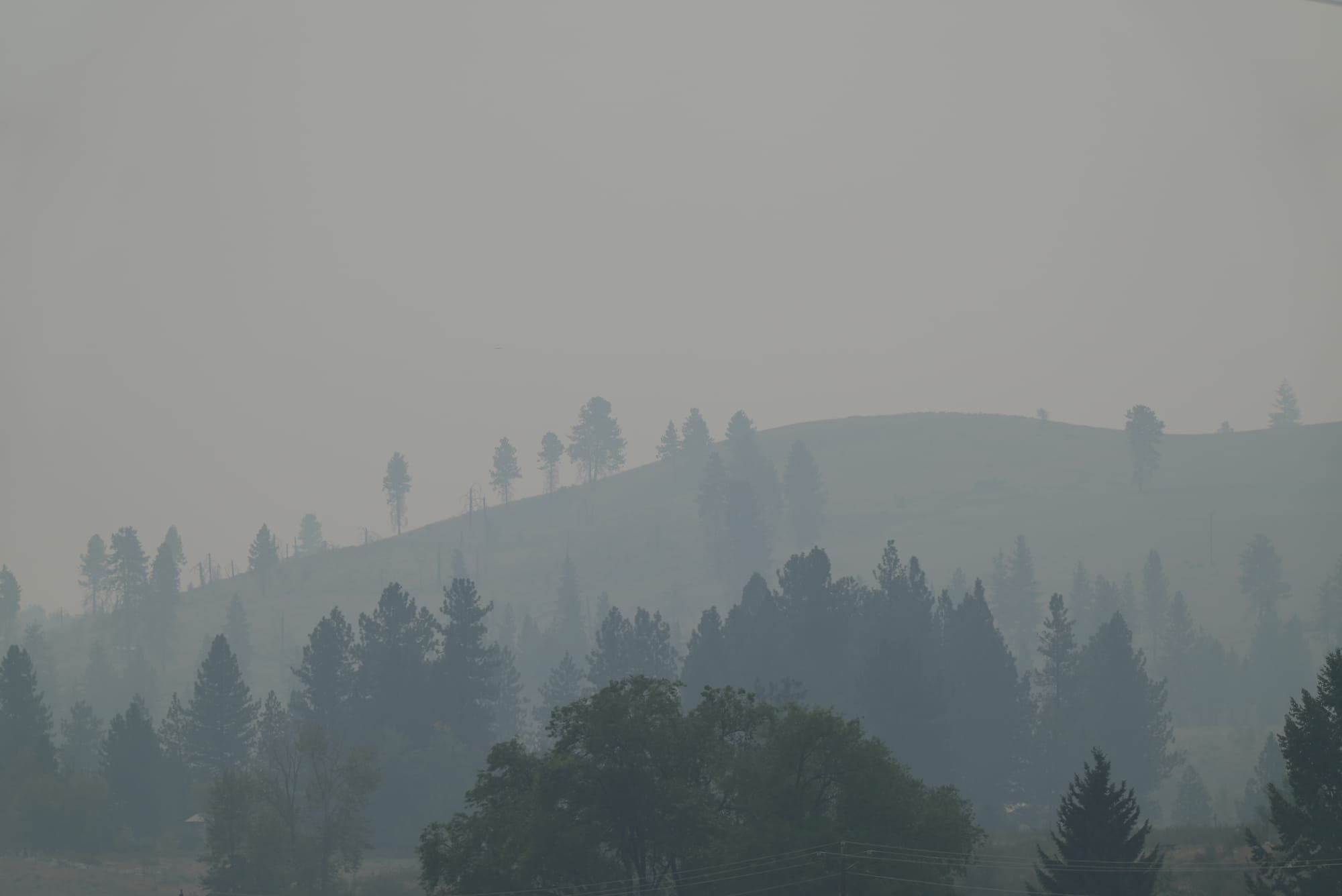
It is said that by the time the air quality index (AQI) reaches 150, it's equivalent to smoking 7-9 cigarettes a day, and when it reaches 300 it's akin to smoking over a pack of cigarettes. Not surprisingly, heart attacks and deaths increase, and emergency room visits skyrocket as levels of wildfire smoke increase.
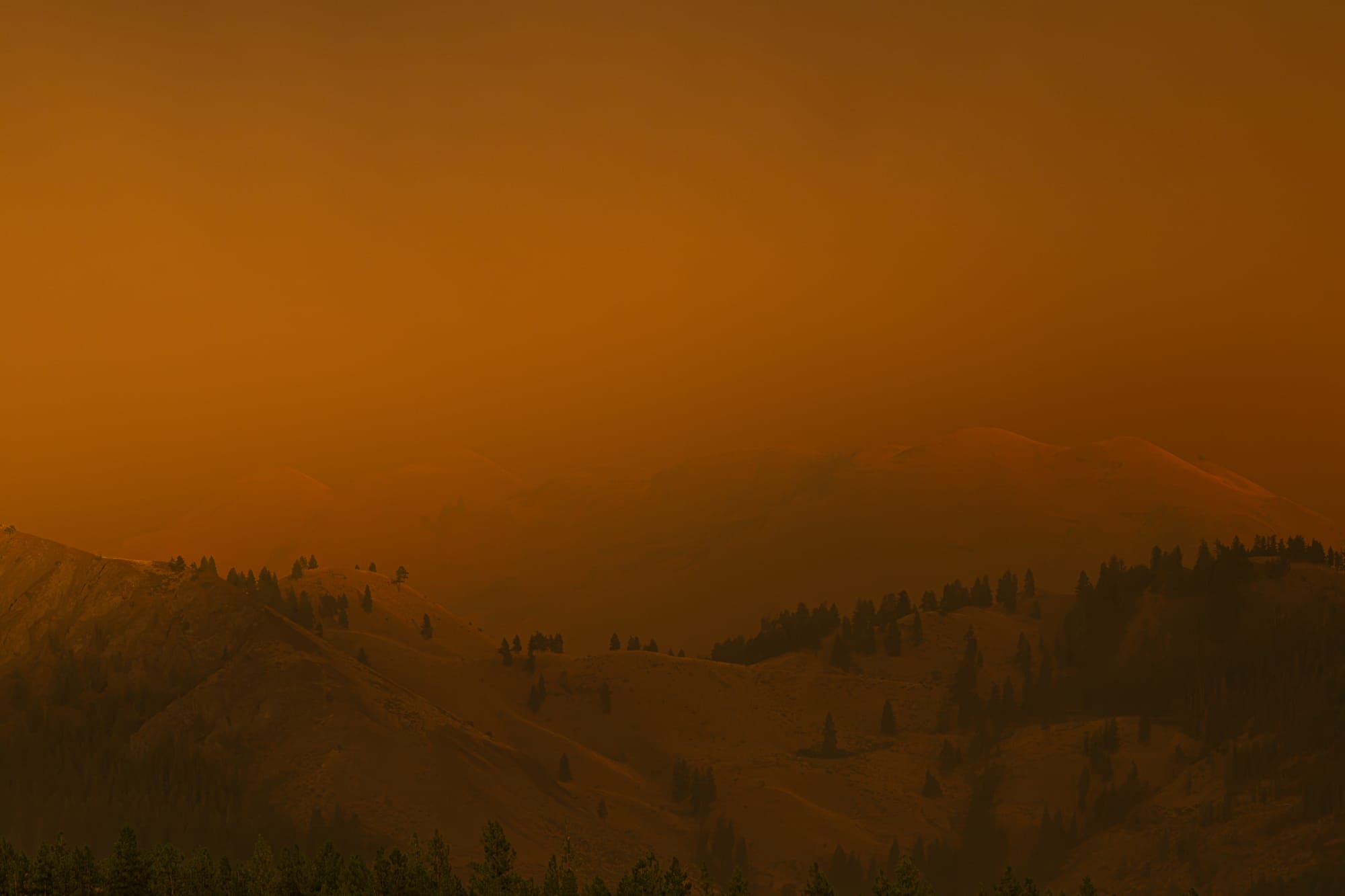
As described in an excellent blog post that I'll link below, the only solution is to stay inside a well-filtered house, and to wear a N95 mask that can filter out 94% of the particles if you need to be outside.
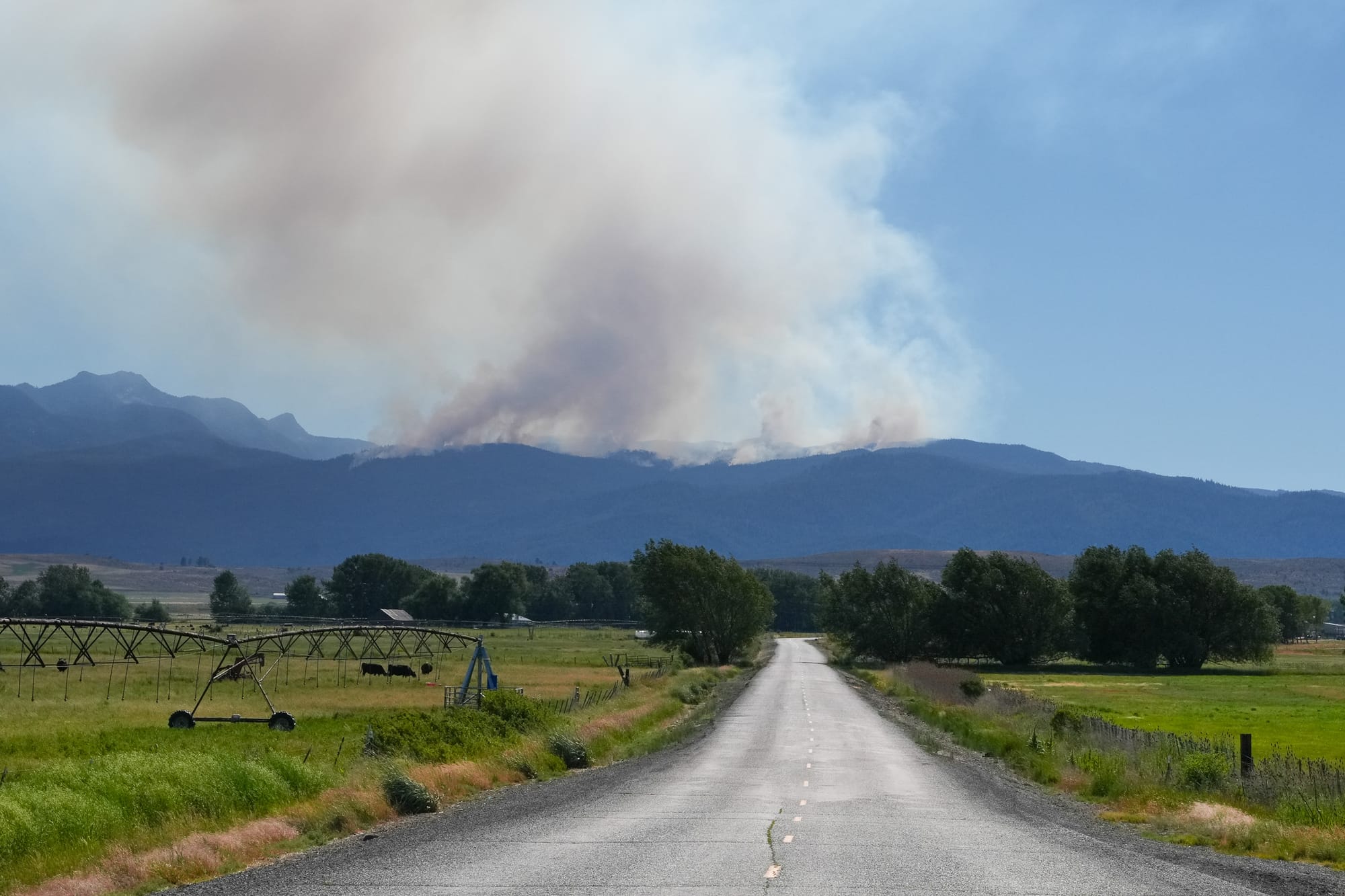
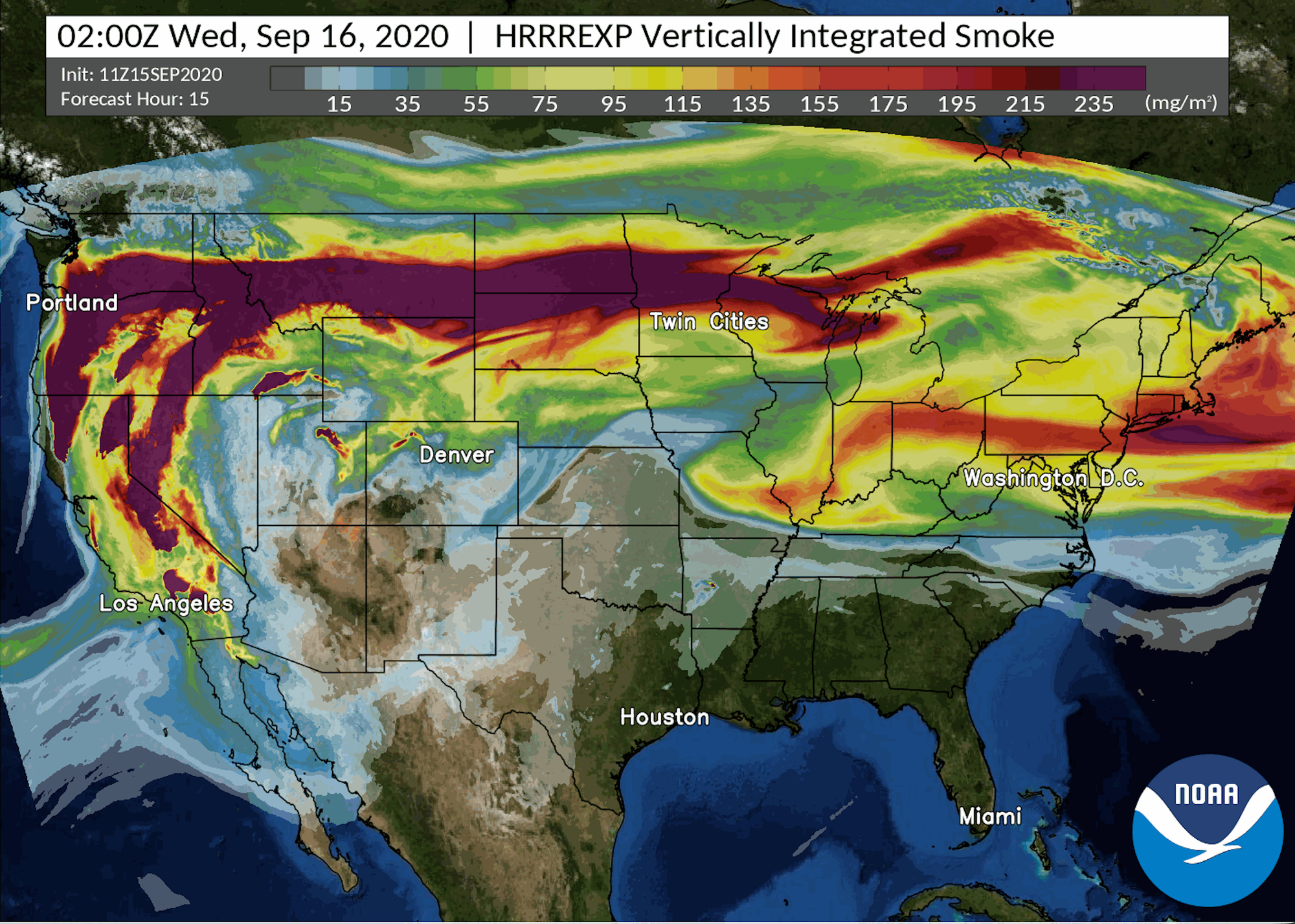
You may think you don't need to worry if fires aren't burning in your immediate area, but smoke plumes and their particles easily travel hundreds of miles. In the end, we're all in this together as we search for critically needed short- and long-term solutions.
Further Reading:
When wildfire smoke hits home, an excellent blog post on how to protect yourself against wildfire smoke.
Wildfire smoke and health impacts: a narrative review, a technical review of the known health impacts.
The health effects of ultrafine particles is a more specific look at the health impacts of nanoparticles, including those found in smoke and air pollution.
Clearing the Air: Understanding the Impact of Wildfire Smoke on Asthma and COPD looks at impacts on lungs and lung diseases.
Wildfire smoke is like smoking 'half a pack a day.' Here's how to protect yourself and Is wildfire smoke worse than smoking cigarettes? What experts say are two popular articles on this topic.

Member discussion