A Beautiful Mess
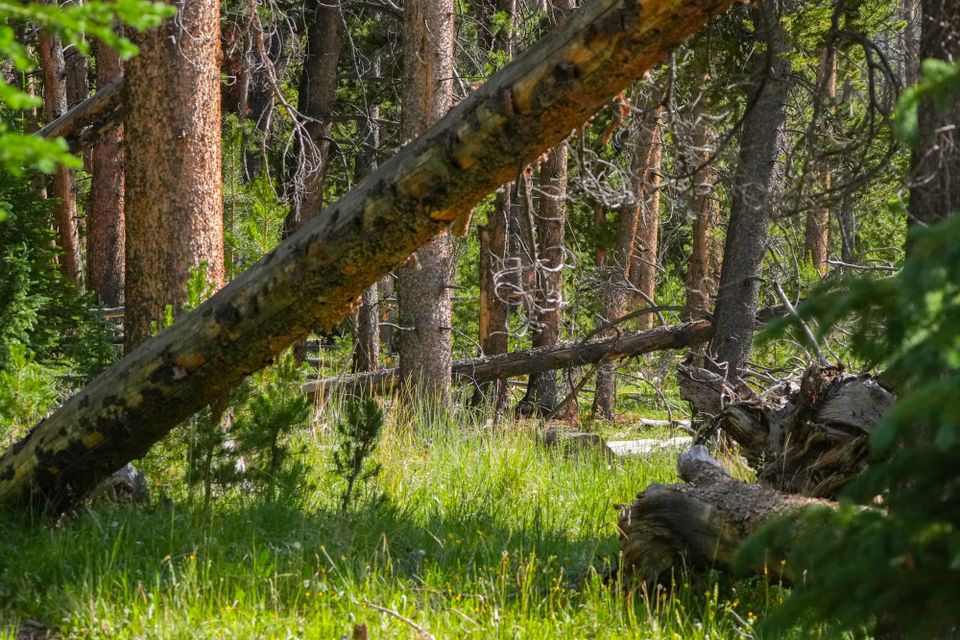
During my recent trip to Utah and Idaho, I spent an inordinate amount of time photographing and thinking about lodgepole pine forests and the lessons they can teach us.

Everywhere I traveled recently in the mountains of Utah and Idaho, the dominant forests of lodgepole pine looked like a disaster had struck them.
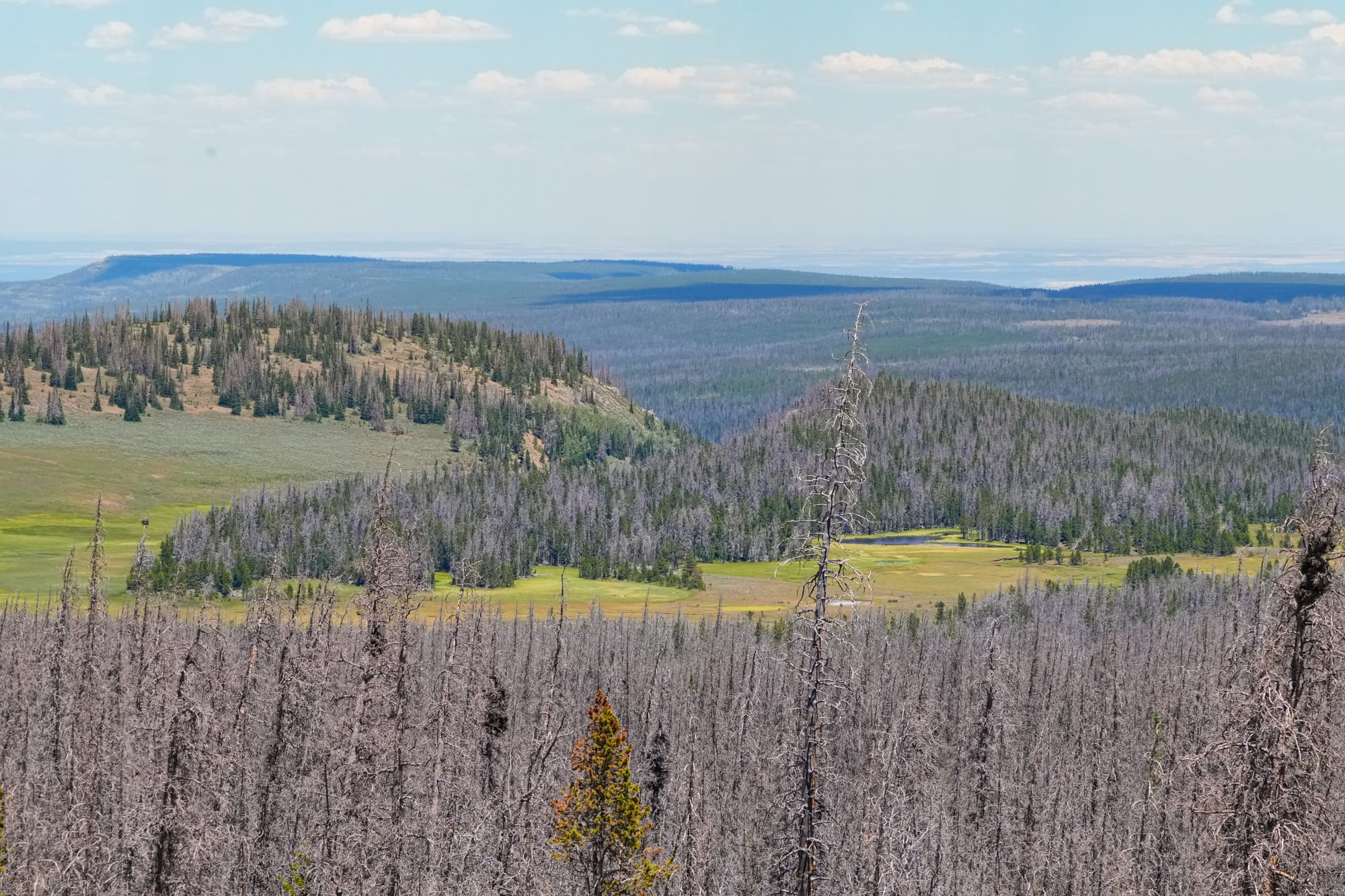
Many forests had recently burned, and those that hadn't burned were a mind-boggling maze of dead trees and downed logs.
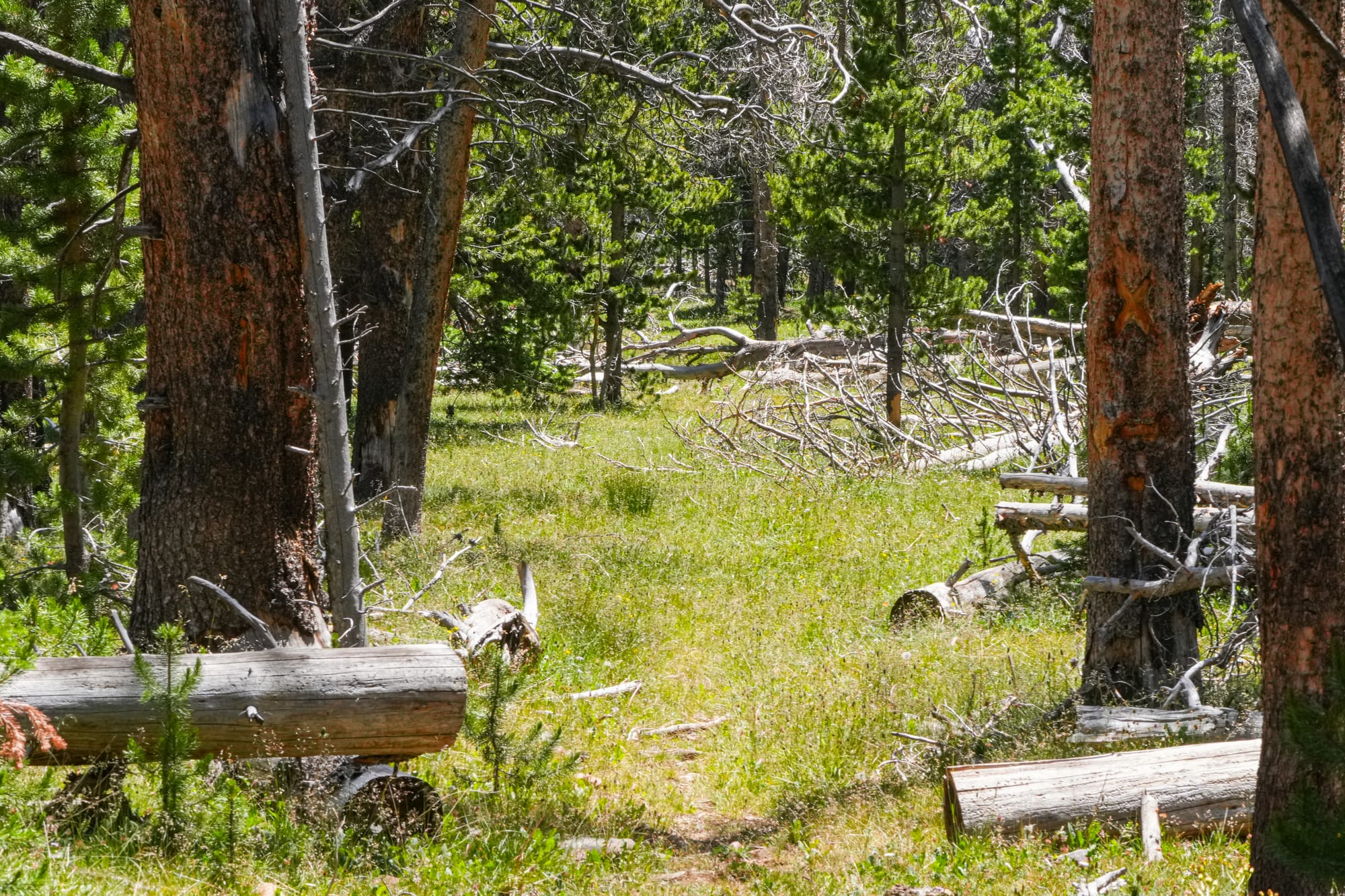
At first glance I saw only a chaotic mess, and this is clearly how most people view these forests. But, of course, this is exactly what inspires me to start asking harder questions and digging deeper into a topic.
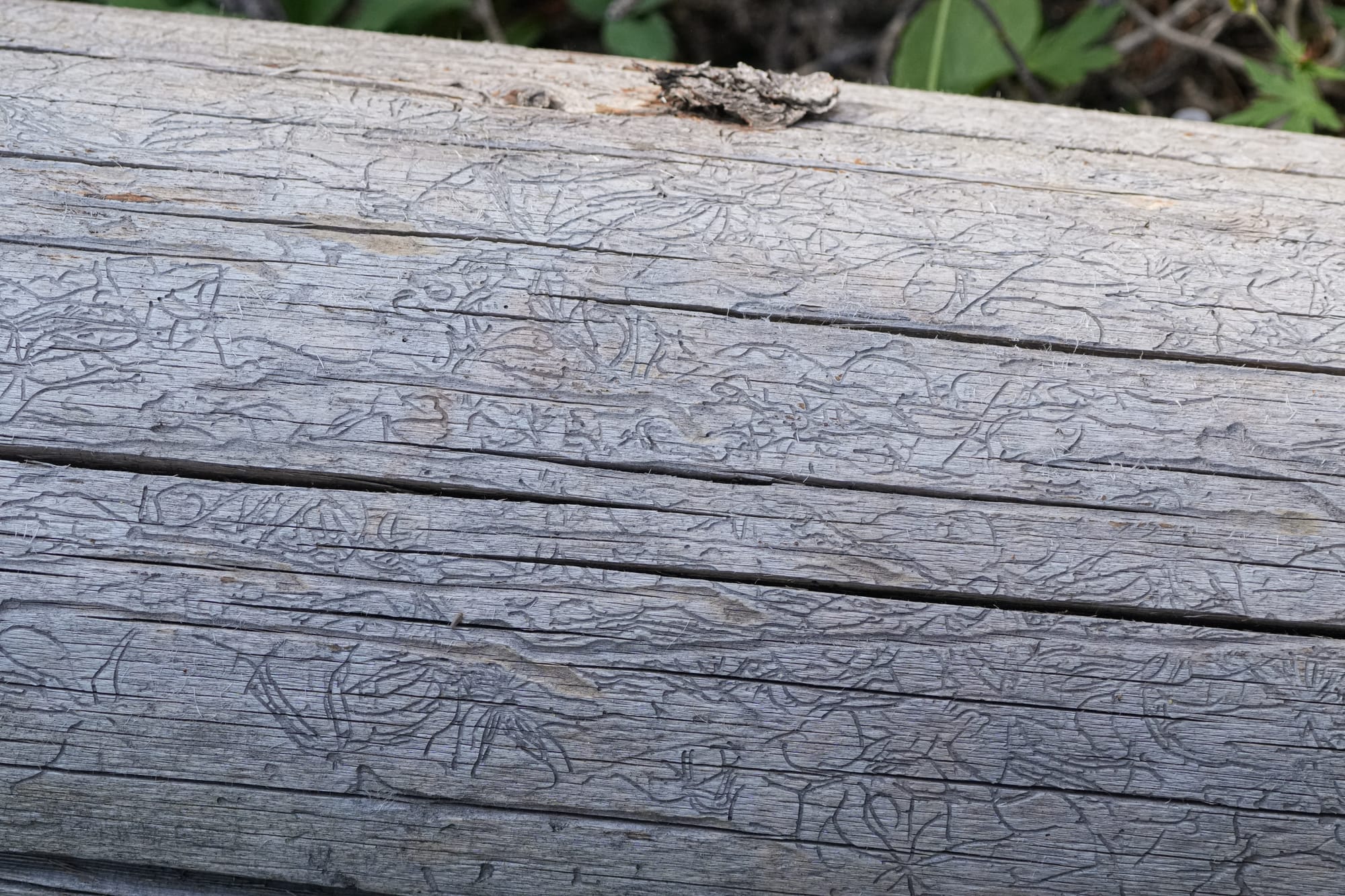
Wherever people see disaster, we begin looking for ways to control or manage the situation, but it's important to first look at the larger context because there's always going to be more we can learn.
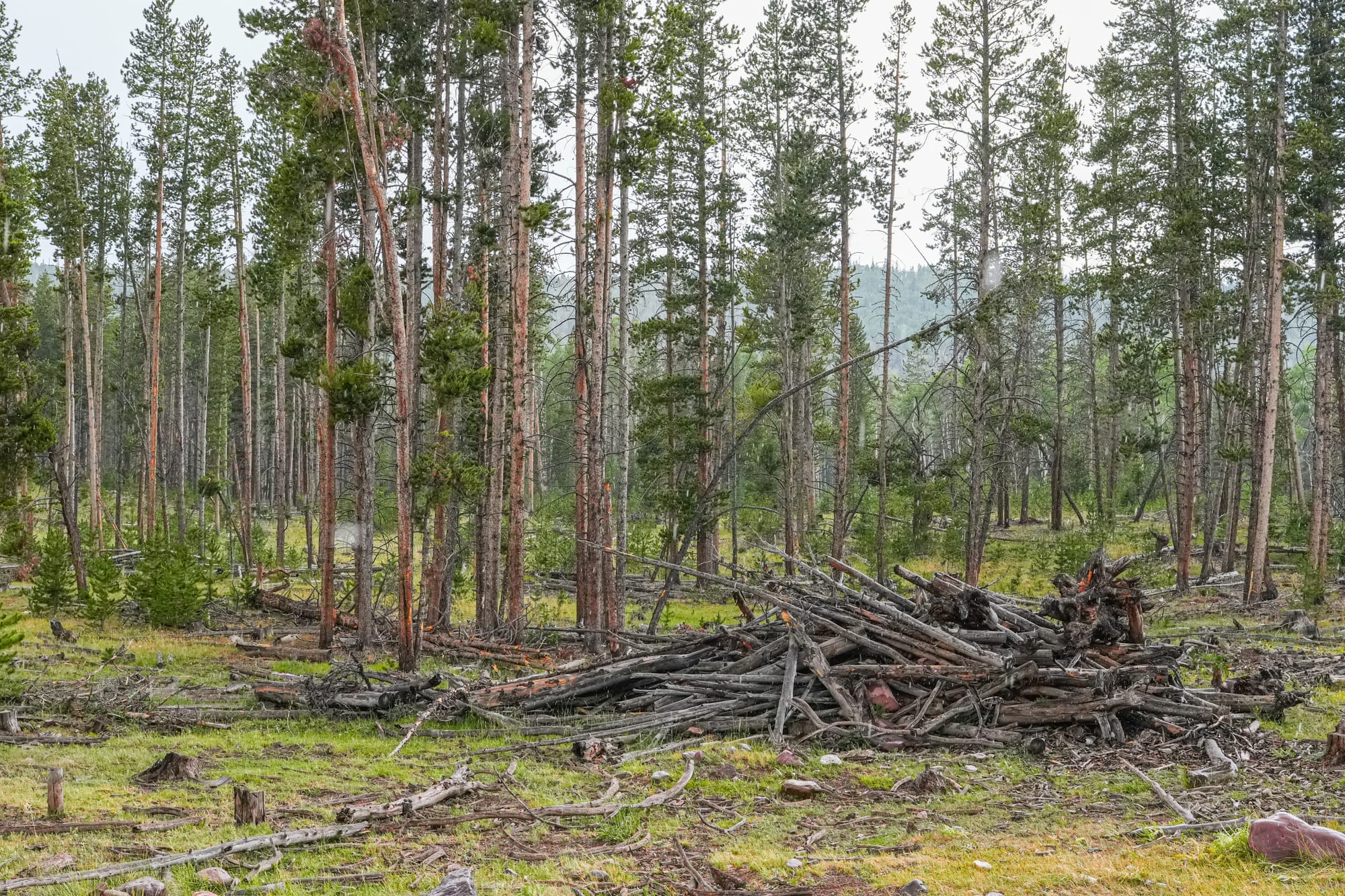
What I began to realize, as I studied and photographed lodgepole pine forests over the course of two weeks, is that no matter how bad they looked, these forests were stunningly vibrant places.
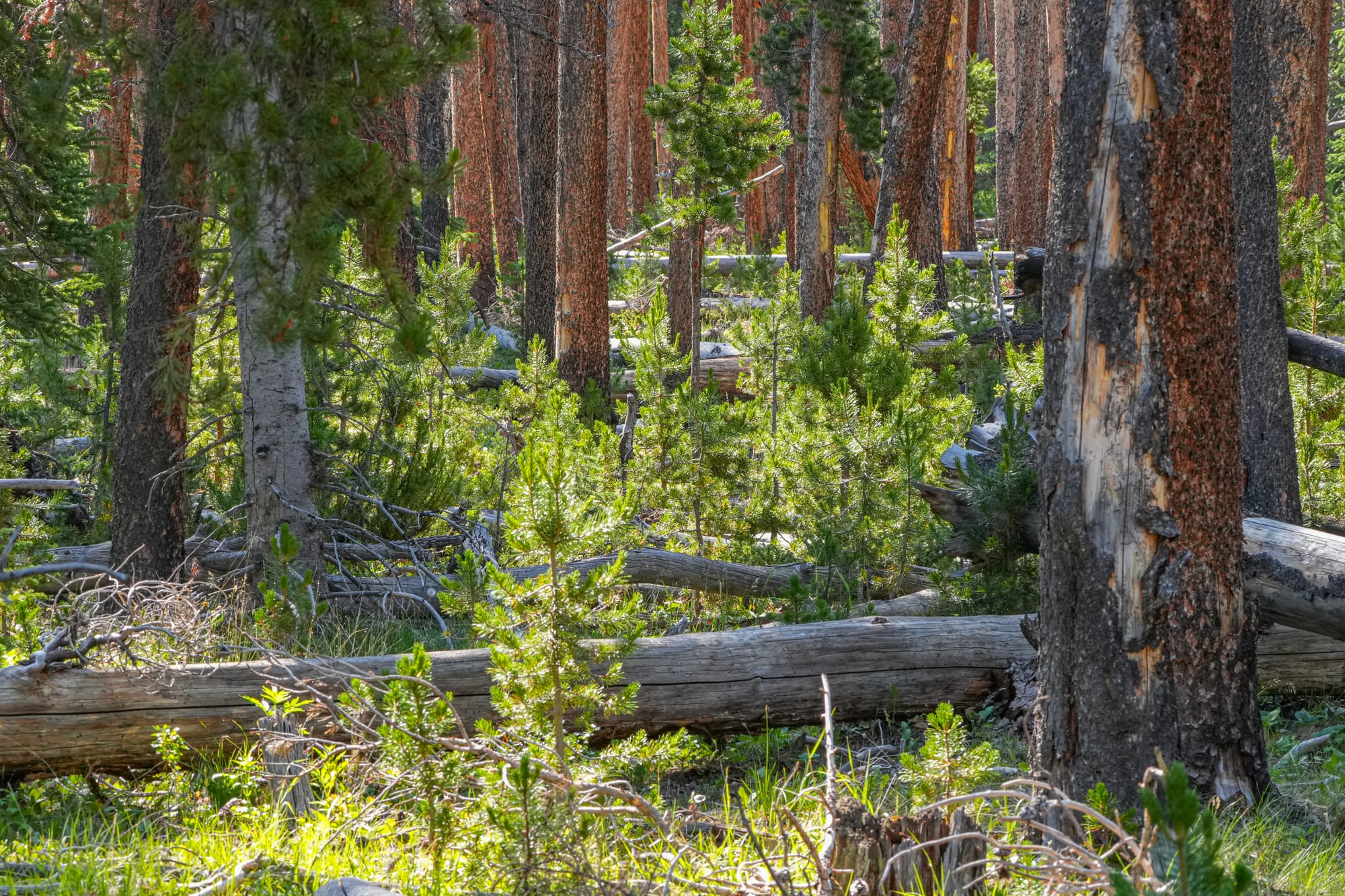
Even in areas that been hit hard by wildfires, the regrowth of plants was astonishing to behold.
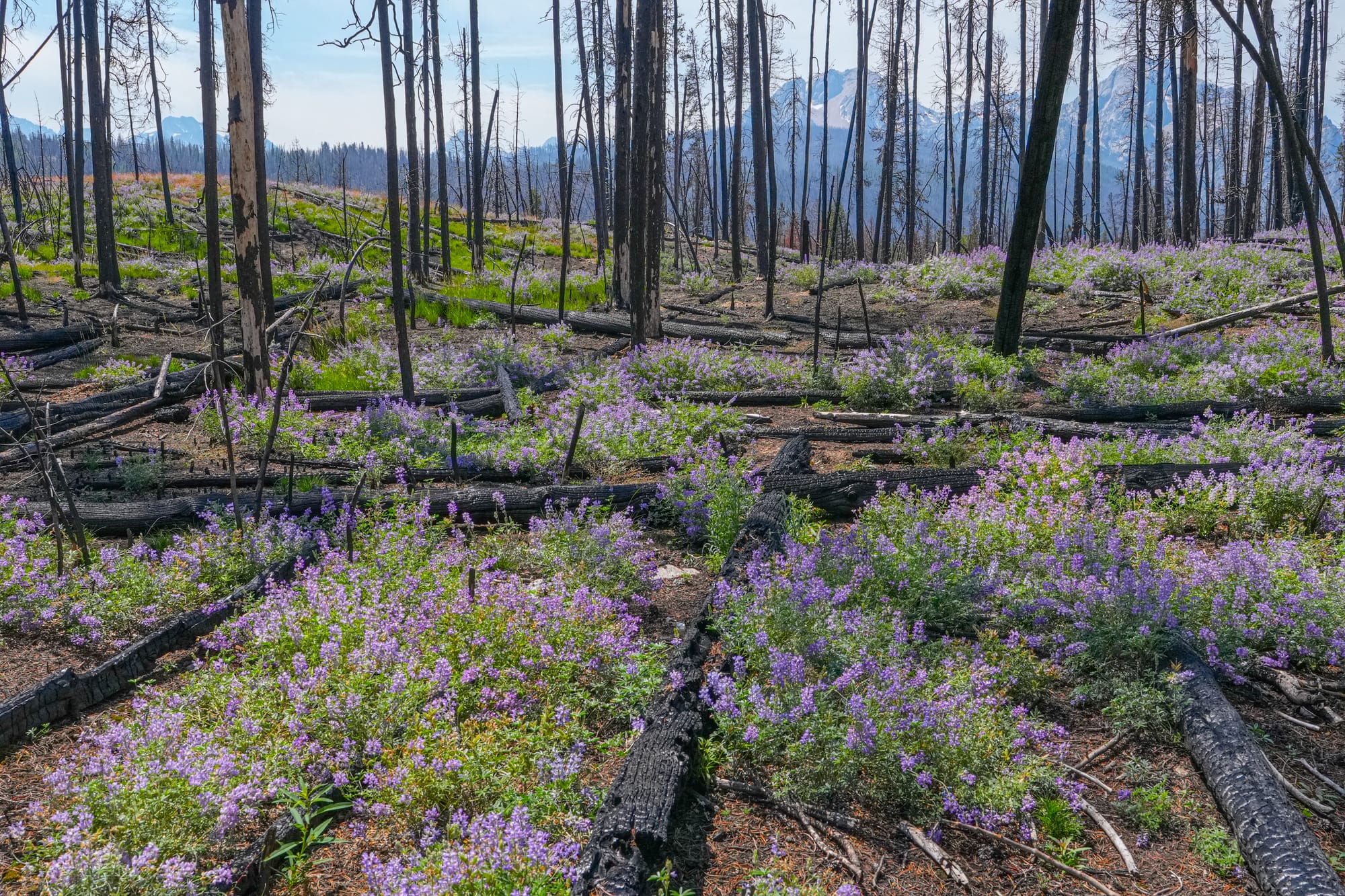
Flowers were everywhere, and many places were so intensely green that it hurt to look at them. I don't know about you, but to me that speaks of incredible ecological health and vitality rather than disaster.
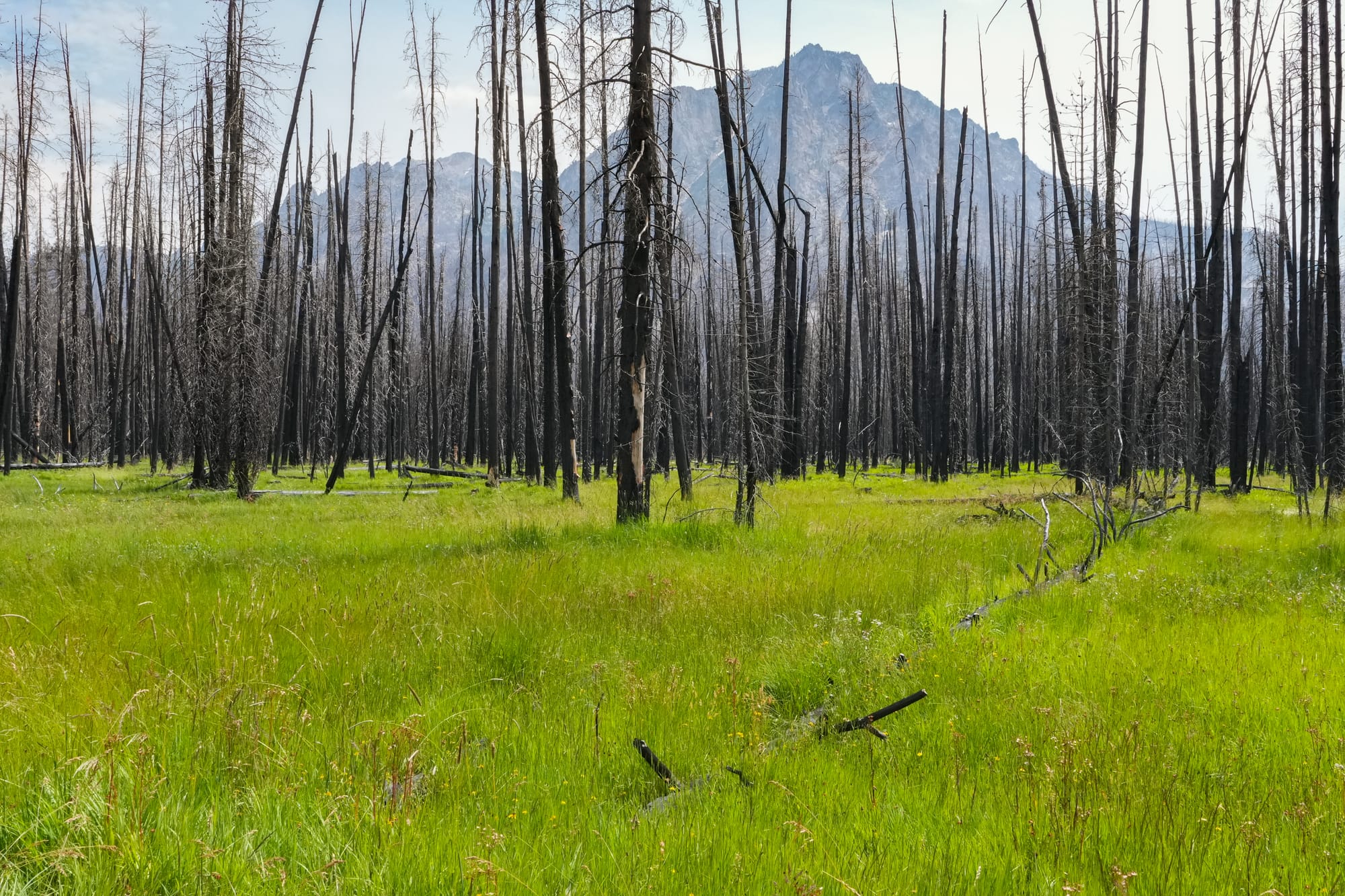
I also started to realize that all those logs and dead trees ARE the life of the forest. These ecosystems are built around reprocessing the energy stored in dead wood, and as trees die and decompose, this stored energy is released to feed the entire web of life in these forests. In other words, there is no lodgepole pine forest if you don't have dead and decomposing logs lying everywhere.
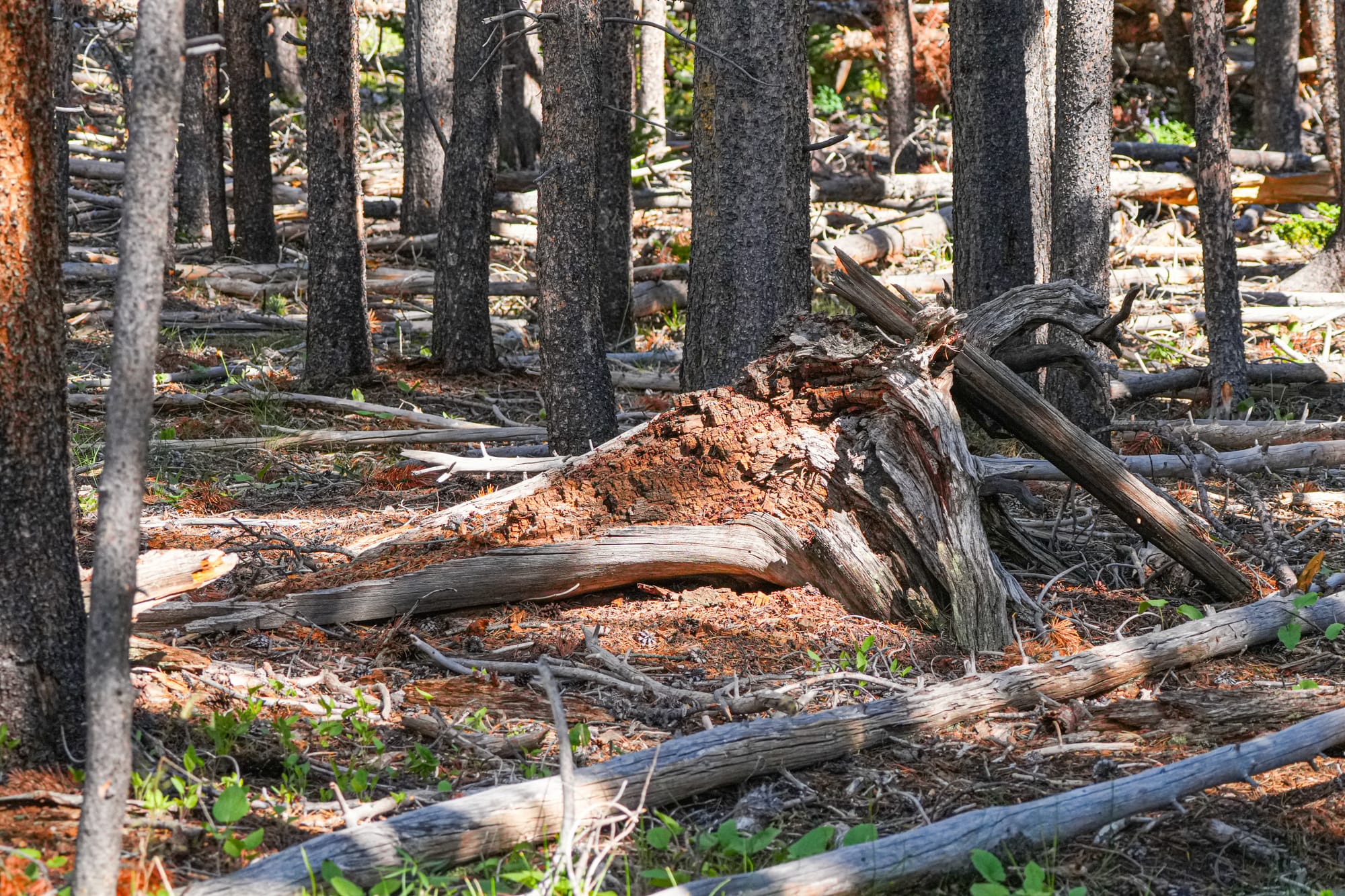
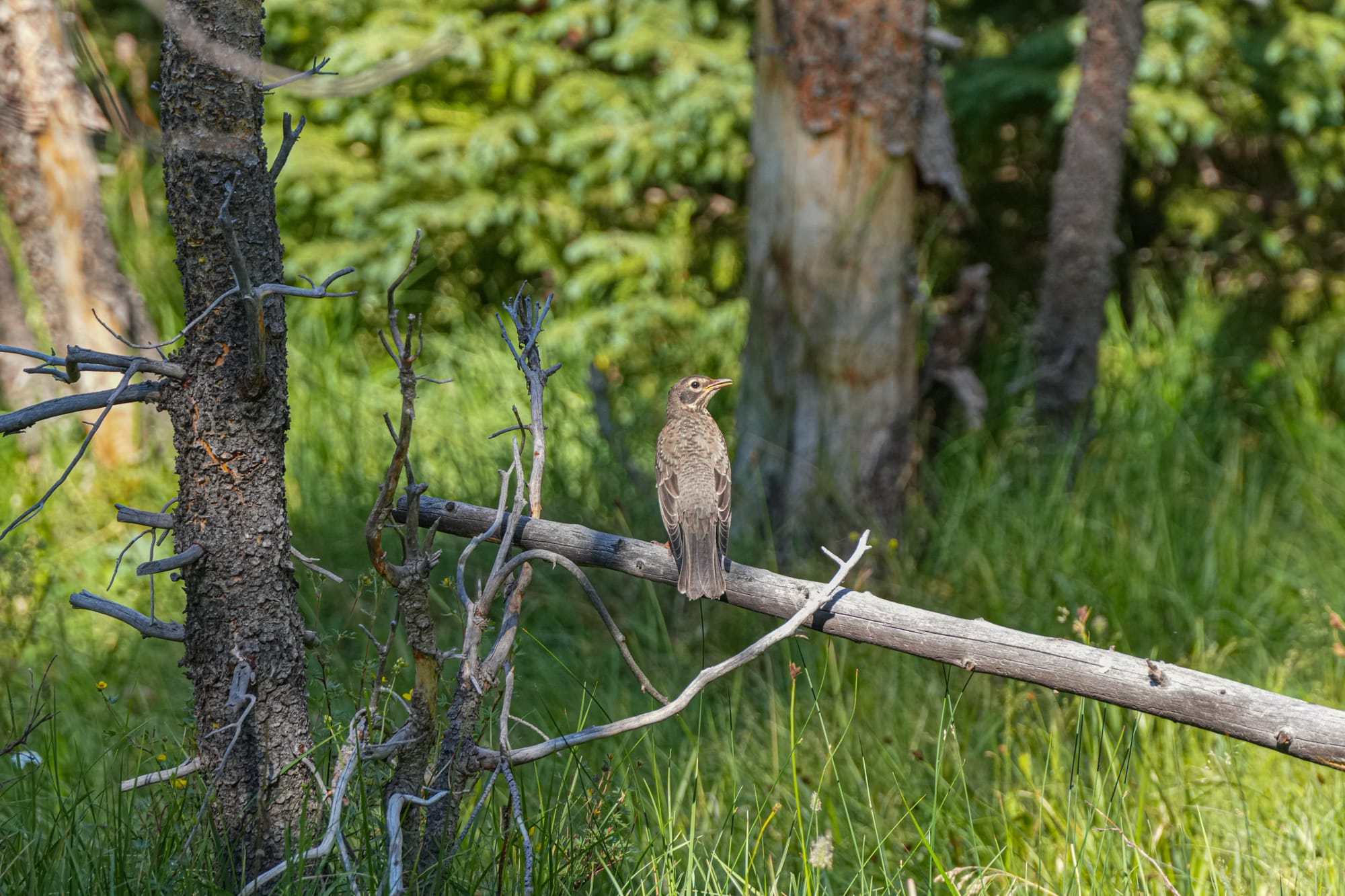
This may be no more than an abstract idea until you start noticing pockets of flowers, butterflies flitting through the sun-dappled understory, chipmunks scampering up and down logs, and countless birds foraging for food.

What looks at first like a chaotic mess, is in fact a place full of life. You could even say that all this life is here because of the chaotic mess.
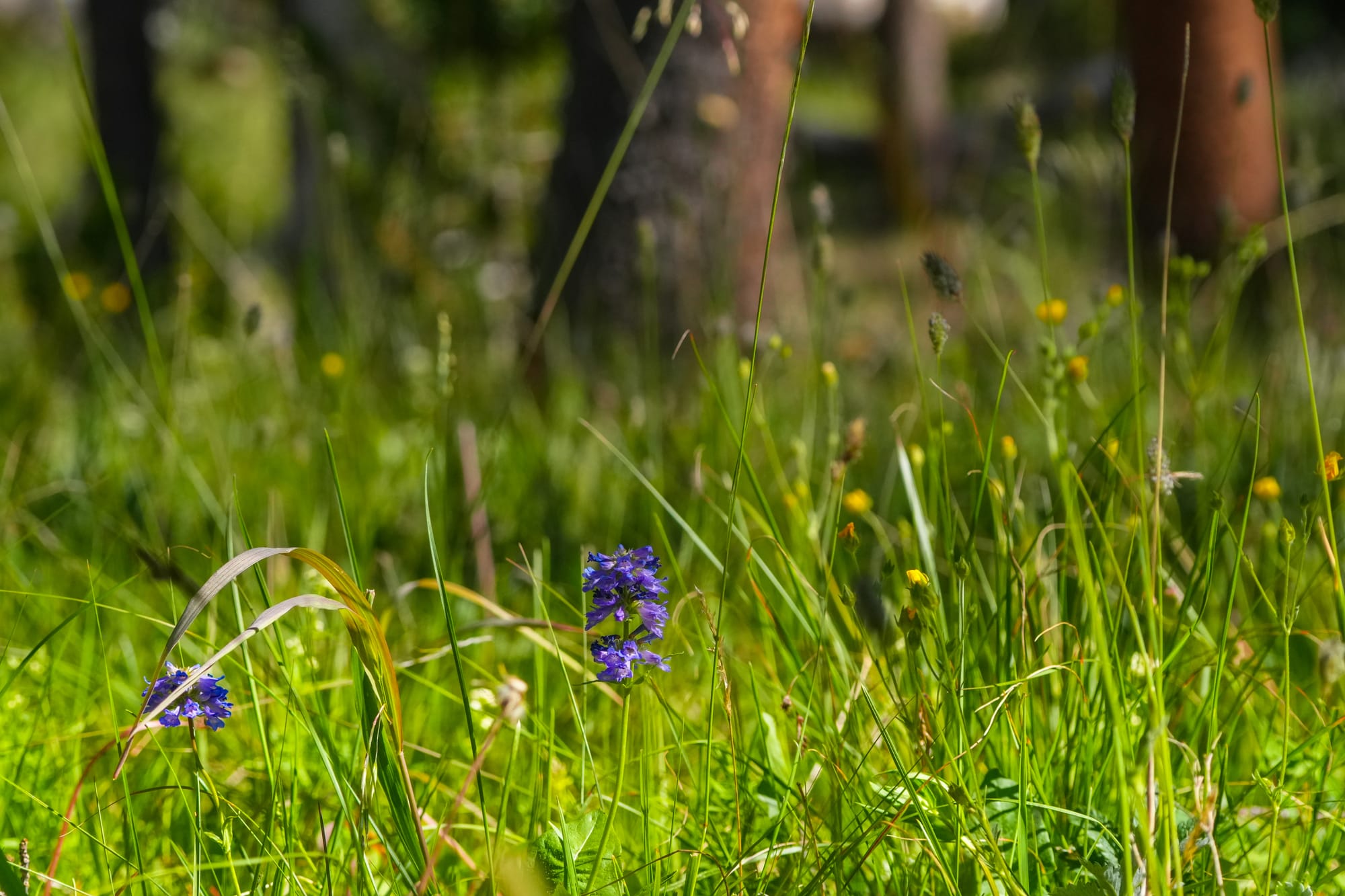
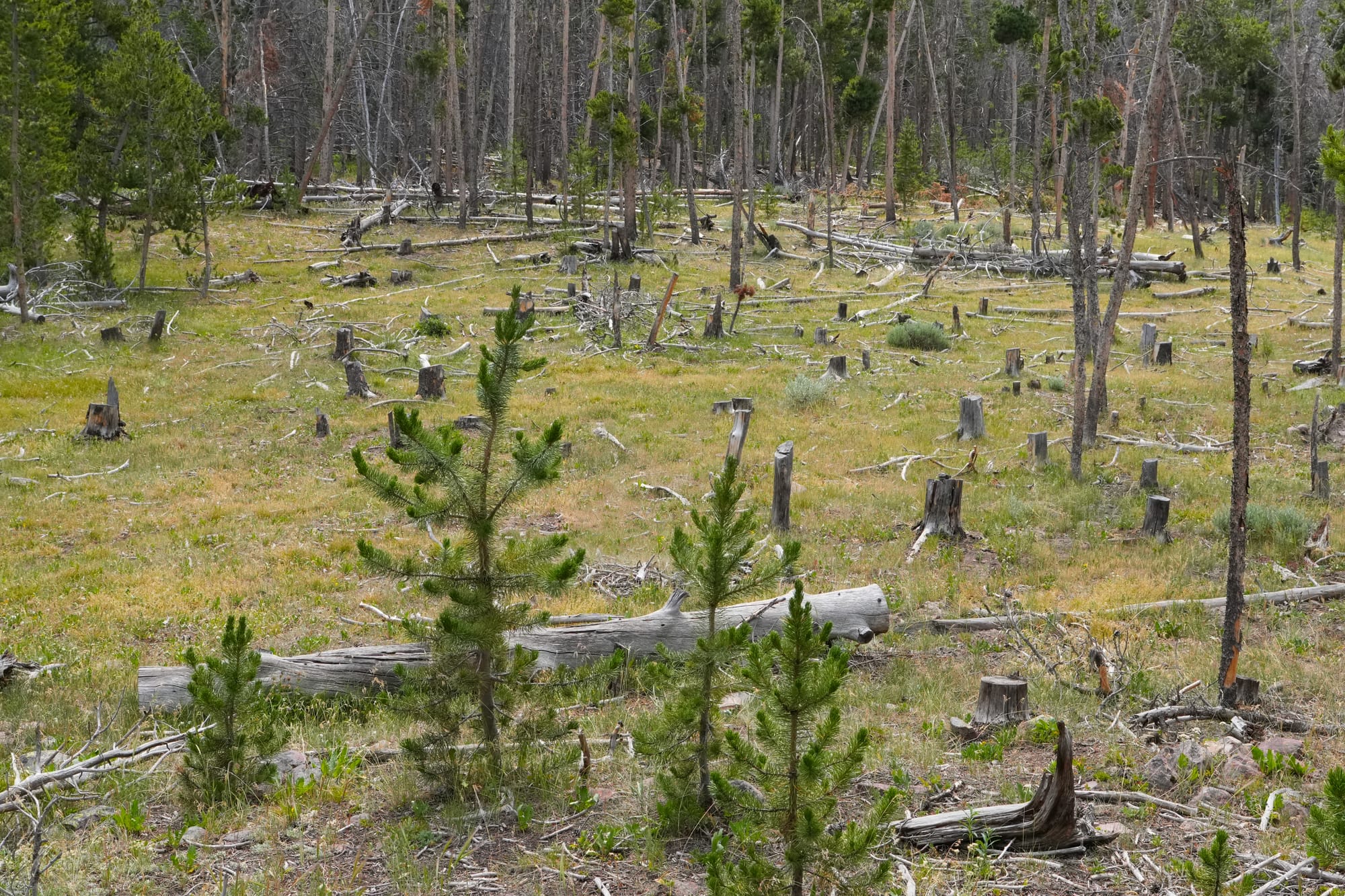
If you don't agree, all you have to do is compare this chaotic mess to the barren desert of nearby spots where the Forest Service has thinned out the trees and tried to clean up this "mess."
As soon as I started piecing this story together over the course of my travels, I began realizing that chaotic messiness is not simply a lodgepole pine story but the story of how all forests (and by extension, all ecosystems) function. Lodgepole pines might be an extreme example because they are highly evolved to accumulate dead wood and promote wildfire, but all forest ecosystems are built around decomposing wood and fire in one way or another.
This story matters because there's a huge effort across the American West to manage dying trees and so-called "unhealthy forests" with little to no consideration of the deeper dynamics of forest ecosystems. This kind of shallow, anthropocentric thinking drives me crazy and even more so when people destroy ecologically vibrant places based on the kind of ill-informed ideas that are becoming the norm these days.
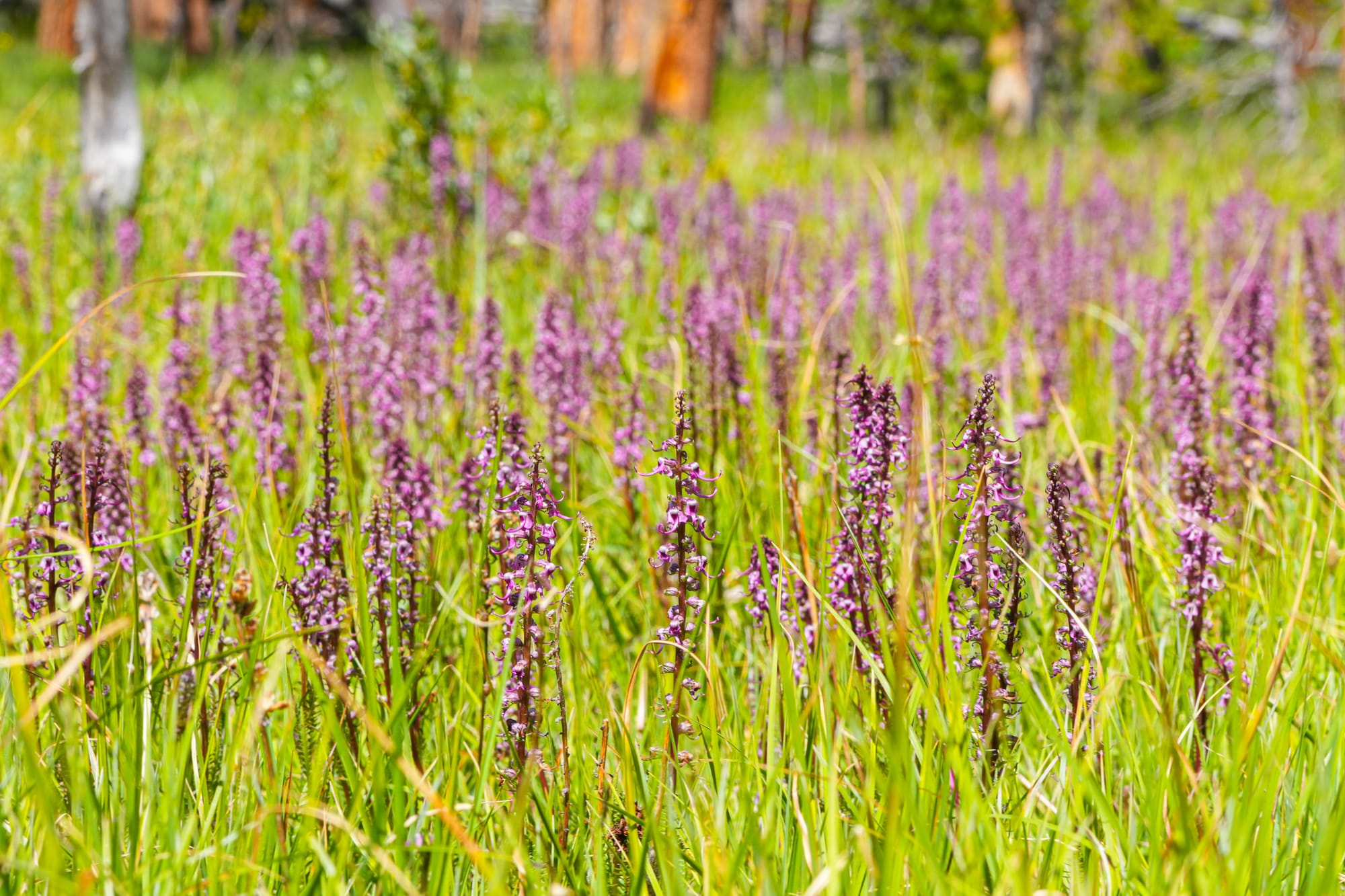
Ultimately, the story that really matters to me is how rich and alive these places are because we desperately need more of this in our lives. Where other people see disaster, let us learn instead to appreciate nature for the ways that it is a beautiful mess!

Survey Results
I was humbled and honored by your many thoughtful and generous responses to last week's survey. It was fascinating to read your feedback, and the resounding takeaway was that everyone really enjoys the newsletter and wants me to do whatever it takes to sustain this effort for years to come.
Here is a brief summary of the responses I received:
Are you generally happy with the newsletter? 100% yes
Do you enjoy the range of topics? 100% yes
Are the newsletters the right length? 88% just right; 4% make them longer; 2% make them shorter; 6% do what feels right
How do you feel about the frequency? 46% do what feels right; 29% prefer less often; 25% prefer more often
If you're a paid subscriber, would you like to see more perks? 84% I'm simply happy to support the newsletter; 16% a wide variety of personal responses ranging from "do what feels right" to "what kind of perks?"
Would you be interested in an occasional video or Zoom presentation instead a newsletter every week? 70% would be interested in seeing some videos and presentations once in a while; 11% would rather read the newsletter ever week; 19% a wide range of responses indicating an interest in seeing some variety or whatever feels right to me
Would you be interested in an additional newsletter or sidebar that briefly mentions other topics that cross my radar but don't make it into a newsletter? 89% yes, or do what feels right to you; 11% no
Clearly, there are a range of opinions on some of my key questions, but the best thing I can do is trust that doing what feels right will work out. This probably means doing a little bit of everything I asked about, including taking occasional breaks from writing a newsletter every week, adding in a few videos and presentations, adding a brief sidebar at the end of newsletters when other topics are on my radar, and continuing to look for ways to express my gratitude to paid subscribers.
Your feedback, suggestions, and conversations are always welcome, so thank you everyone for helping me evaluate how things are going after nearly 200 newsletters!

Member discussion