Living in Spit
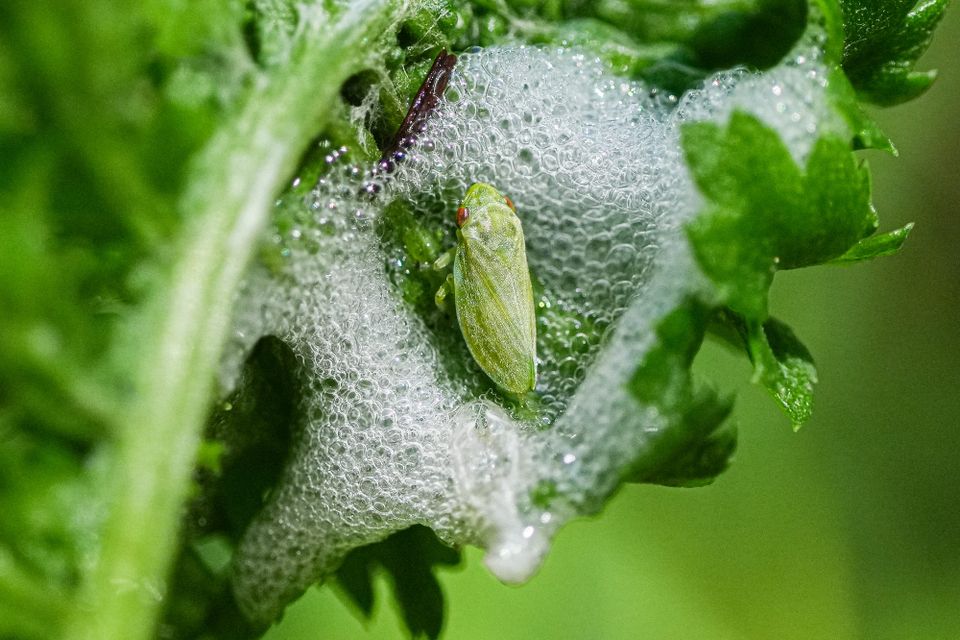
"Fluidic foams in nature have fascinated researchers for centuries, but they are still not fully understood."
Do you remember a moment in your life when you first noticed that frothy white "spit" on plants? Perhaps you were a child and it immediately grossed you out, or maybe it happened later in your life, and these mounds of spit left you with unanswered questions.
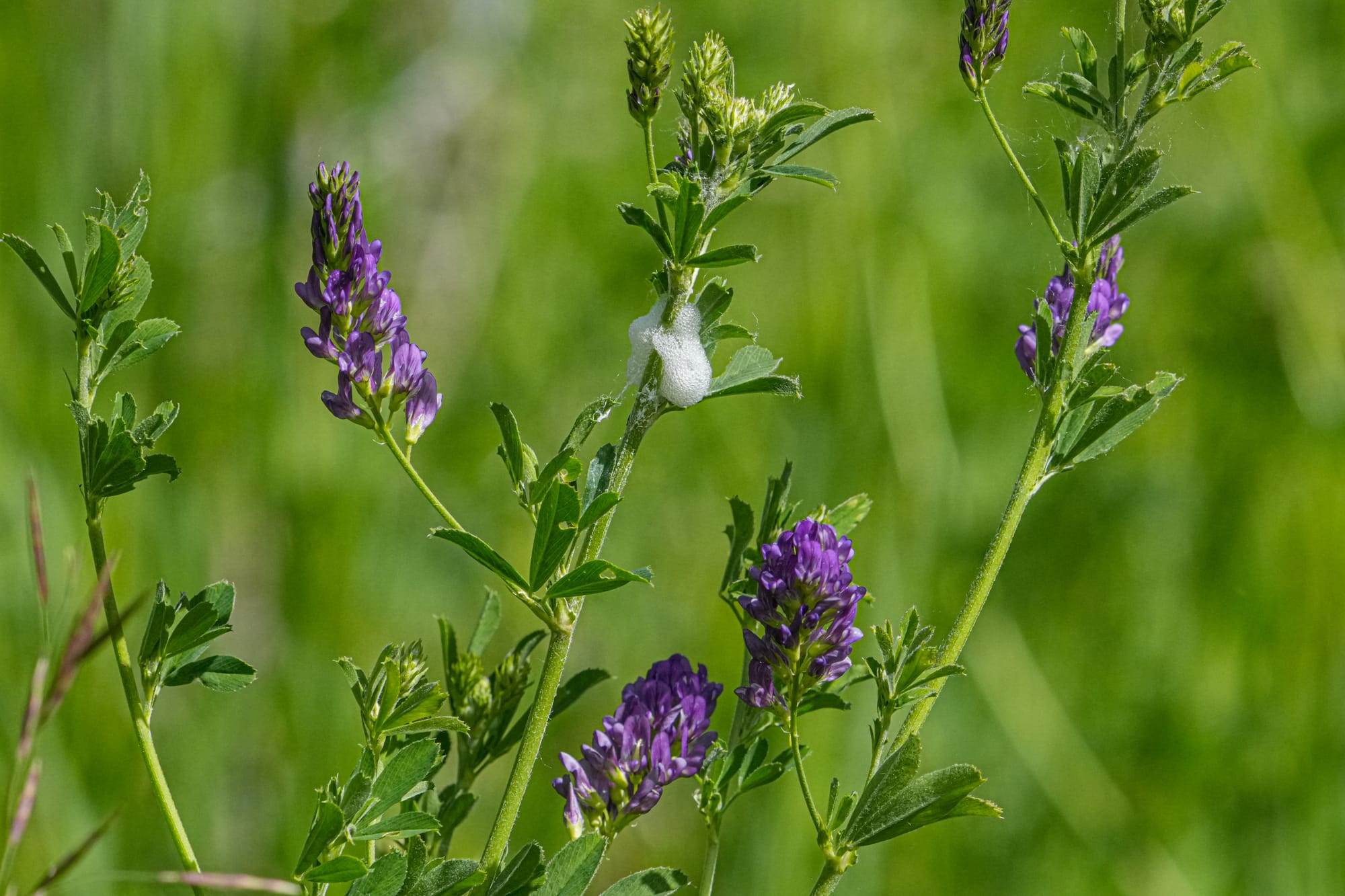
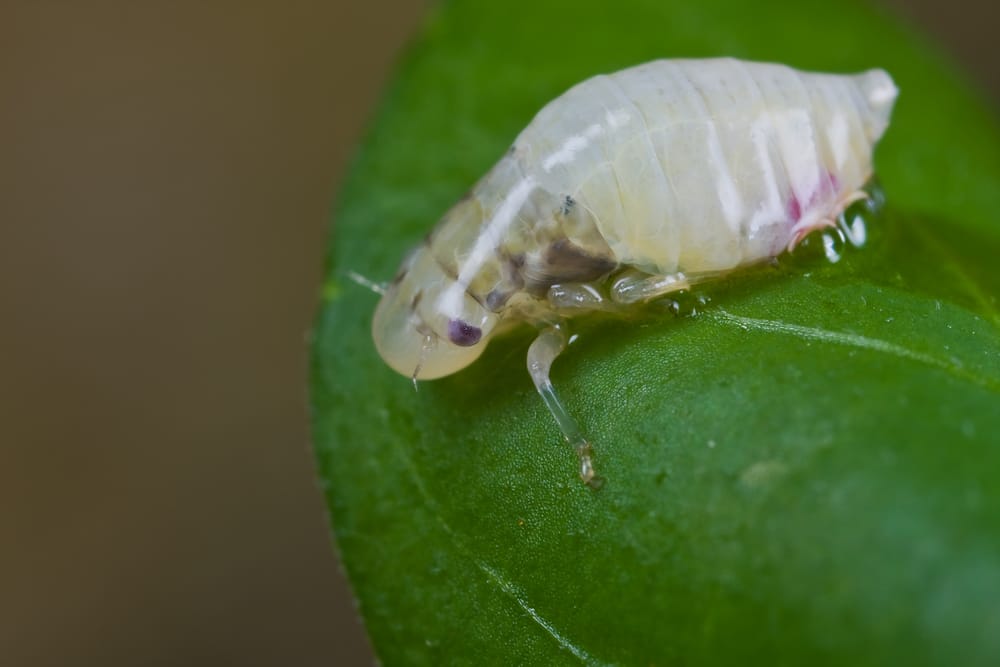
In fact, these are unique shelters created by the nymphs of insects known as spittlebugs or froghoppers, and contrary to popular belief, the substance involved is not spit but something of far greater interest to biologists and engineers.
"[Spittlebug] foam [is] a smart, biocompatible material of biological, biomimetic and biomedical interest."
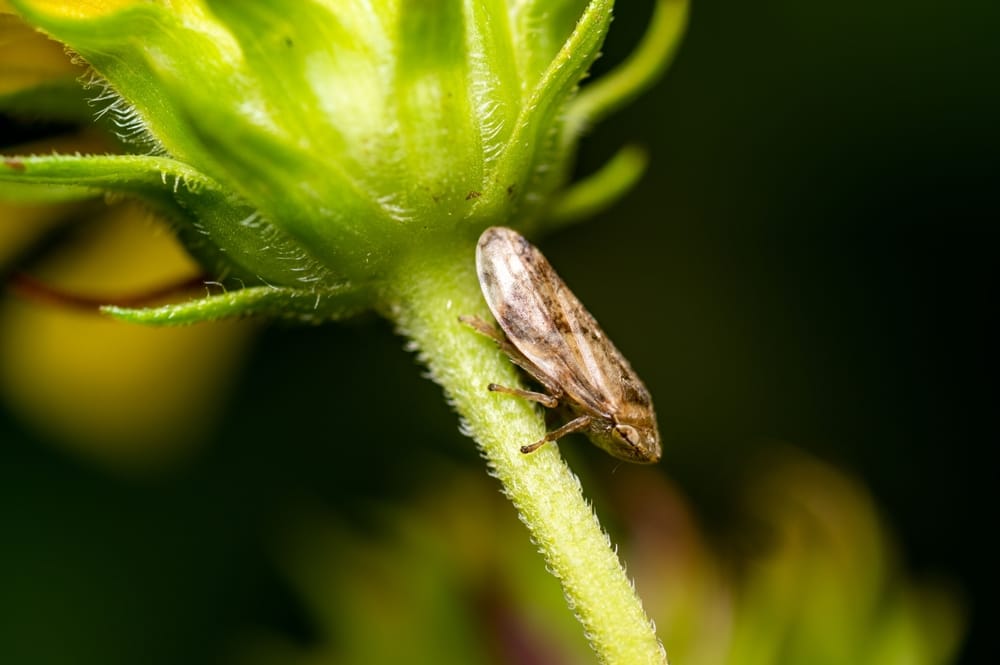
Spittlebugs are true bugs in the order Hemiptera, with around 67 species in North America. They are closely related to leafhoppers, planthoppers, and cicadas, and are among a small group of insects that feed on xylem sap.
Plant fluids contain a broad range of nutrients, and these fluids move through a complex web of vessels connecting every part of a plant. For many insects, this means that finding a meal can be as simple as tapping into the nearest plant vessel and drinking your fill.
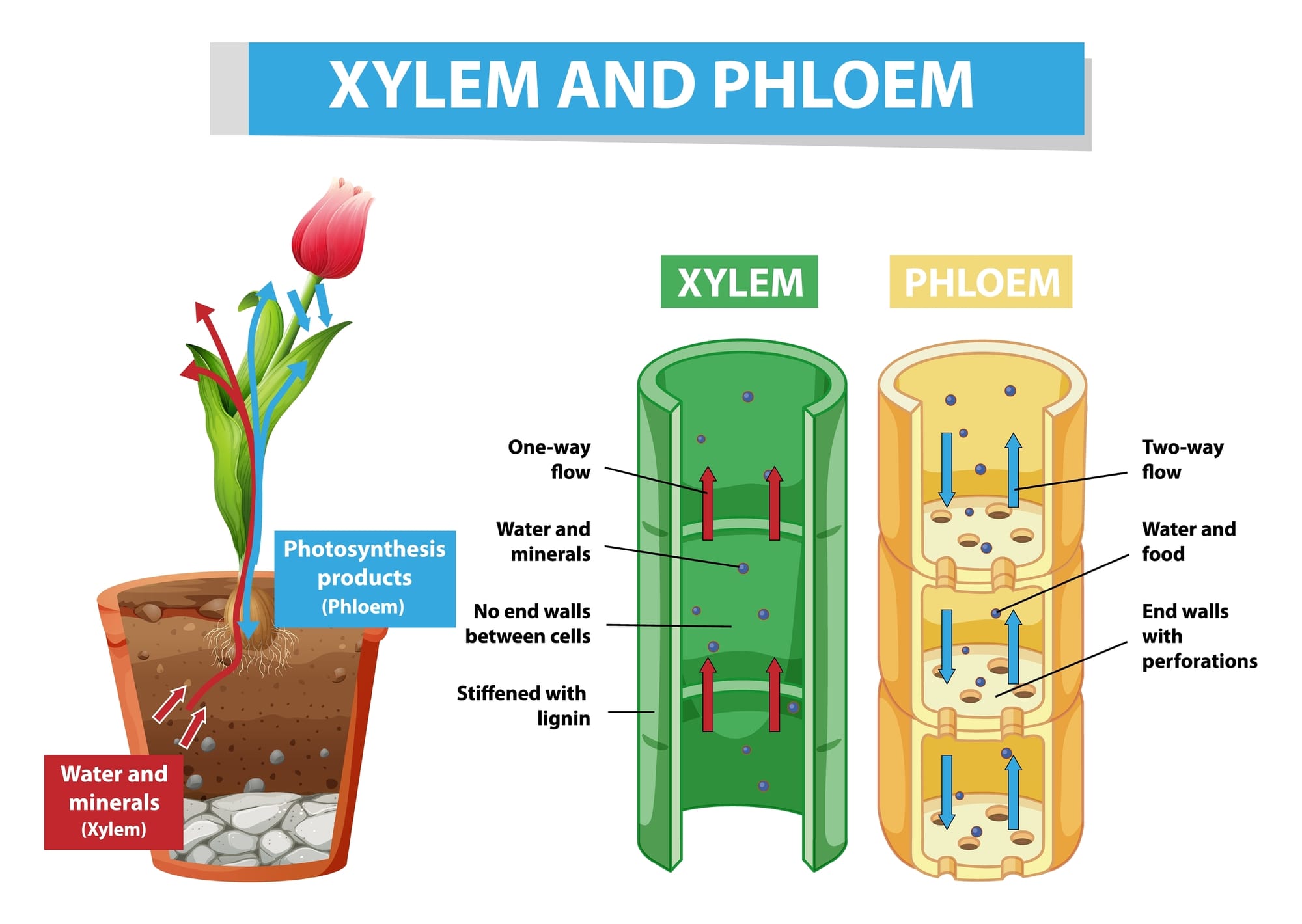
In general, plants transport water upwards from their roots to their leaves through their xylem tissues. This water then powers photosynthesis in the leaves, gets loaded up with sugars, vitamins, and a wide range of nutrients, and is pumped back down through phloem tissues to nourish every part of the plant.
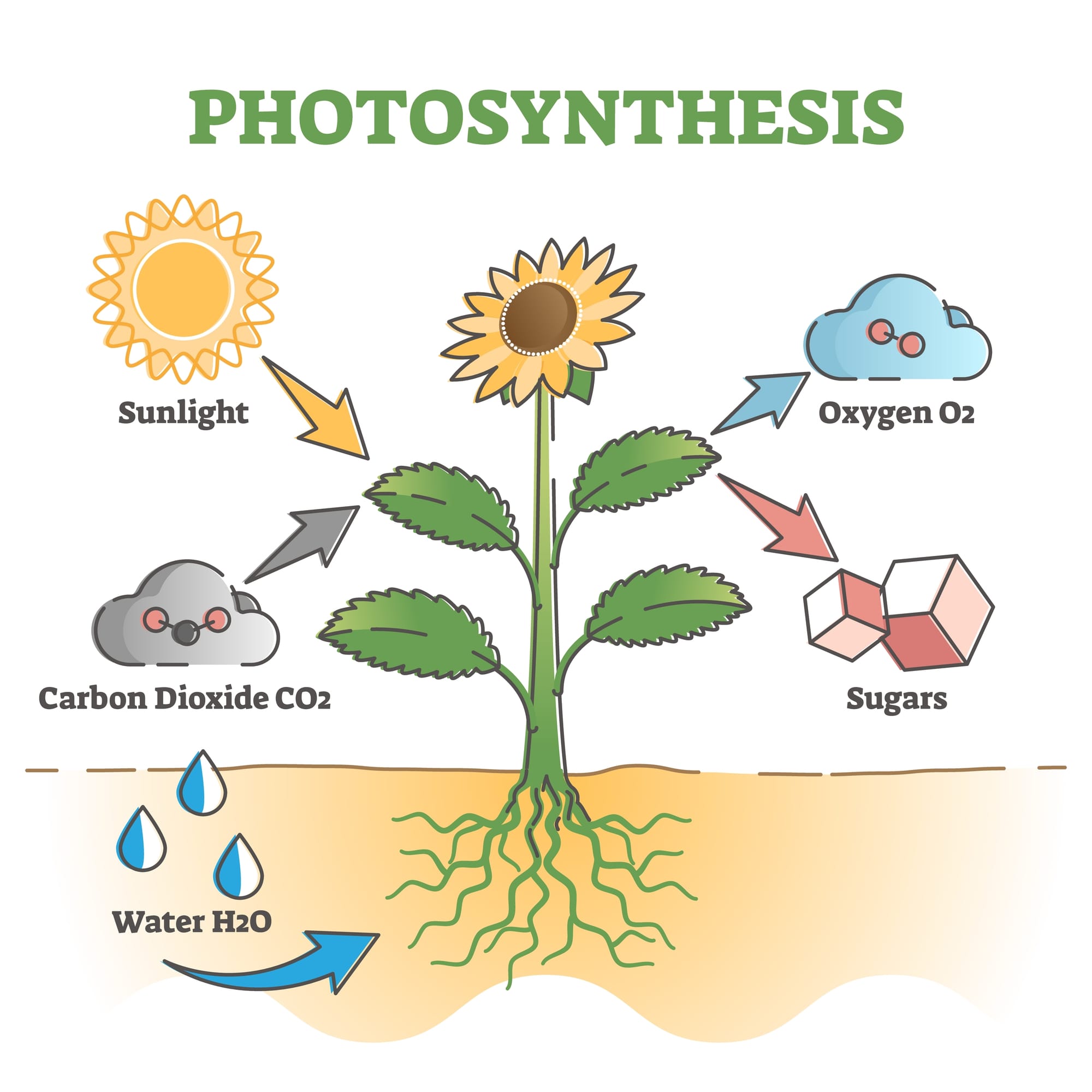
For an insect, the obvious choice is to drink nutrient-rich phloem sap, which is about 30% nutrients and 70% water. But a handful of insects will instead drink xylem sap, which is 99% water and less than 1% nutrients.
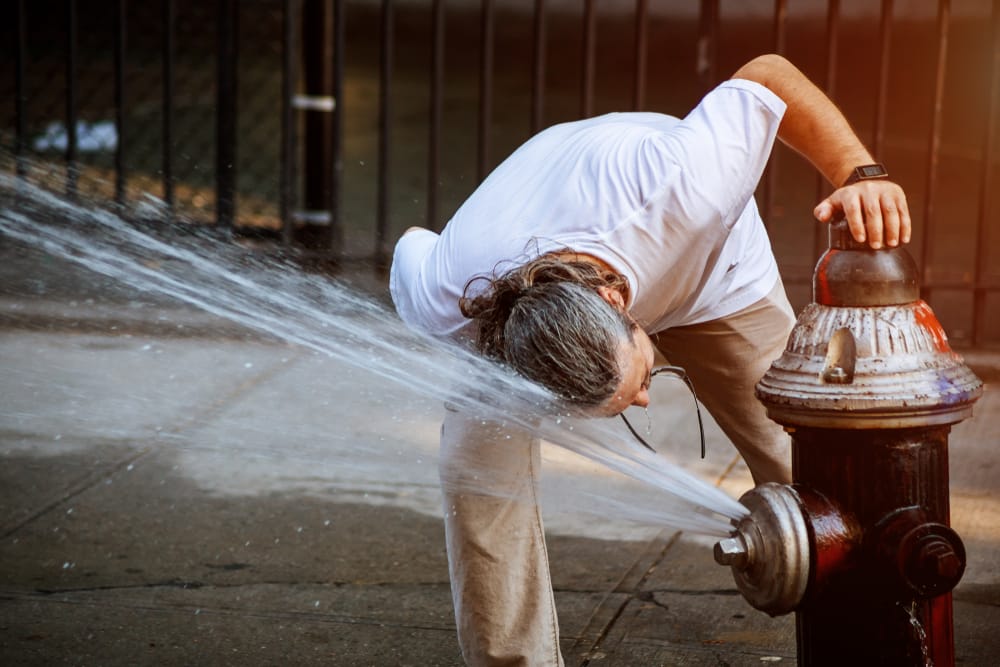
Drinking xylem sap creates some serious challenges. Not only is this like trying to drink from a fire hydrant through a straw, but the nutrients are so dilute that spittlebugs must drink up to 280 times their body mass every day to stay alive. According to one estimate, this is equivalent to a human needing to drink 1750 gallons a day!
No animal should be able to survive on a diet that is nearly devoid of nutrients, but spittlebugs have found a unique solution. They host two species of bacteria in their gut, each one in two separate organs called bacteriomes (one is red and the other is orange). The relationship between spittlebugs and bacteria has existed since the Permian Period, nearly 300 million years ago, and these bacteria now have extremely reduced genetic codes because they exist solely to feed spittlebugs.
Xylem sap is typically dominated by only 1-3 of the 20 amino acids needed to build proteins, but the bacteria synthesize the missing amino acids for spittlebugs. Remarkably, the two species of bacteria produce this full complement of amino acids by dividing up the tasks and handing byproducts off to each other in order to maximize their output with minimal input. This is a process known as aerobic glycolysis, and scientists are intrigued because it's the same process that cancer cells use to grow tumors so quickly.
Ultimately, if you're drinking insane amounts of liquid every day, you need to get rid of it somehow, and this is where the foamy "spit" comes into play. Actually, it's not spit, and there's no polite way to say this, but spittlebugs are literally blowing bubbles out of their butts.
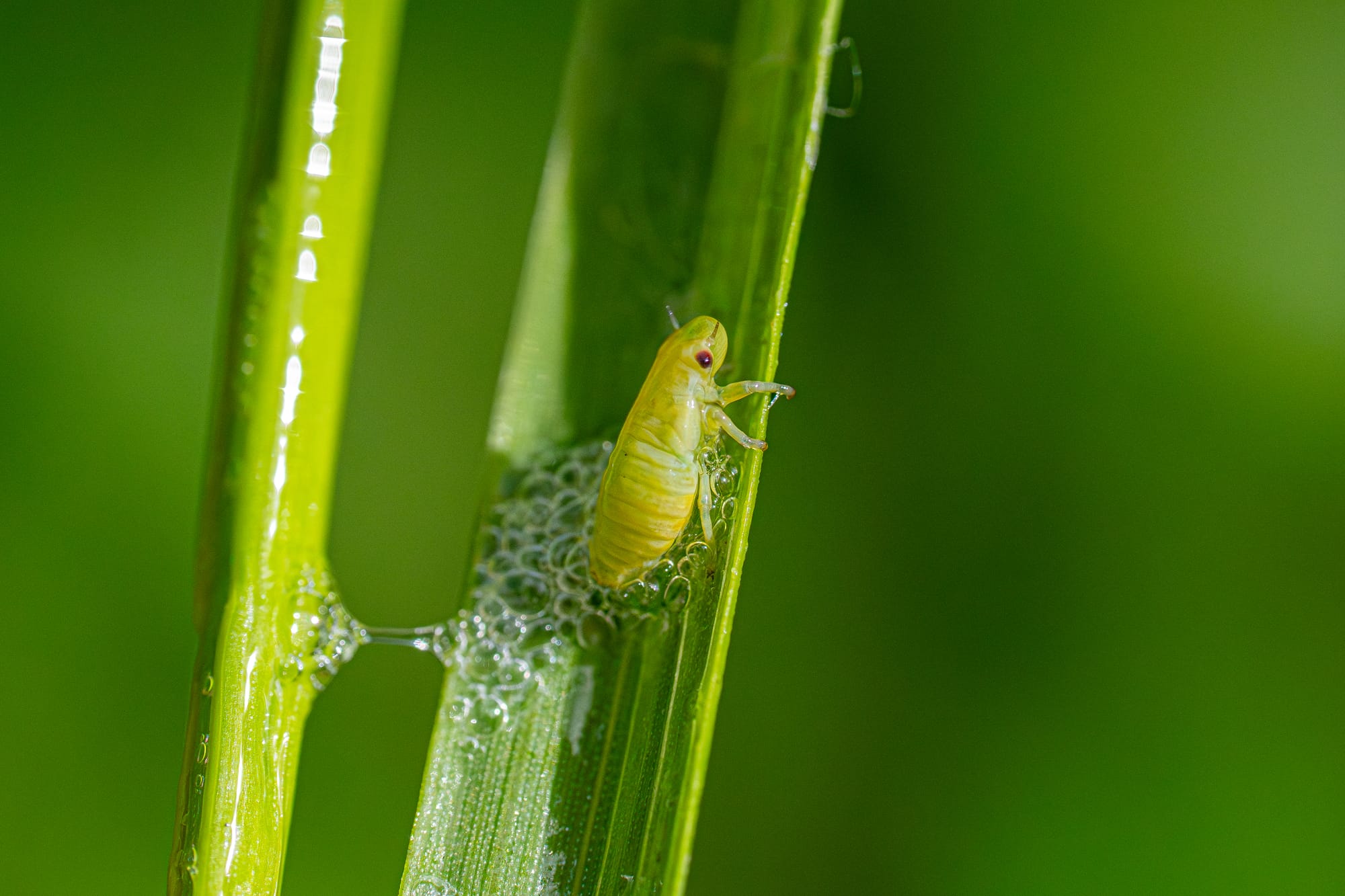
Scientists still aren't sure what role these frothy bubbles play, but spittlebug nymphs are extremely thin-skinned and fragile, so the bubbles clearly keep them moist and well protected from most predators. Nymphs also add anal secretions that make the bubbles stickier and longer lasting, and seem to deter potential predators like ants, who vigorously try to wipe the bubbles off if they come into contact with them.
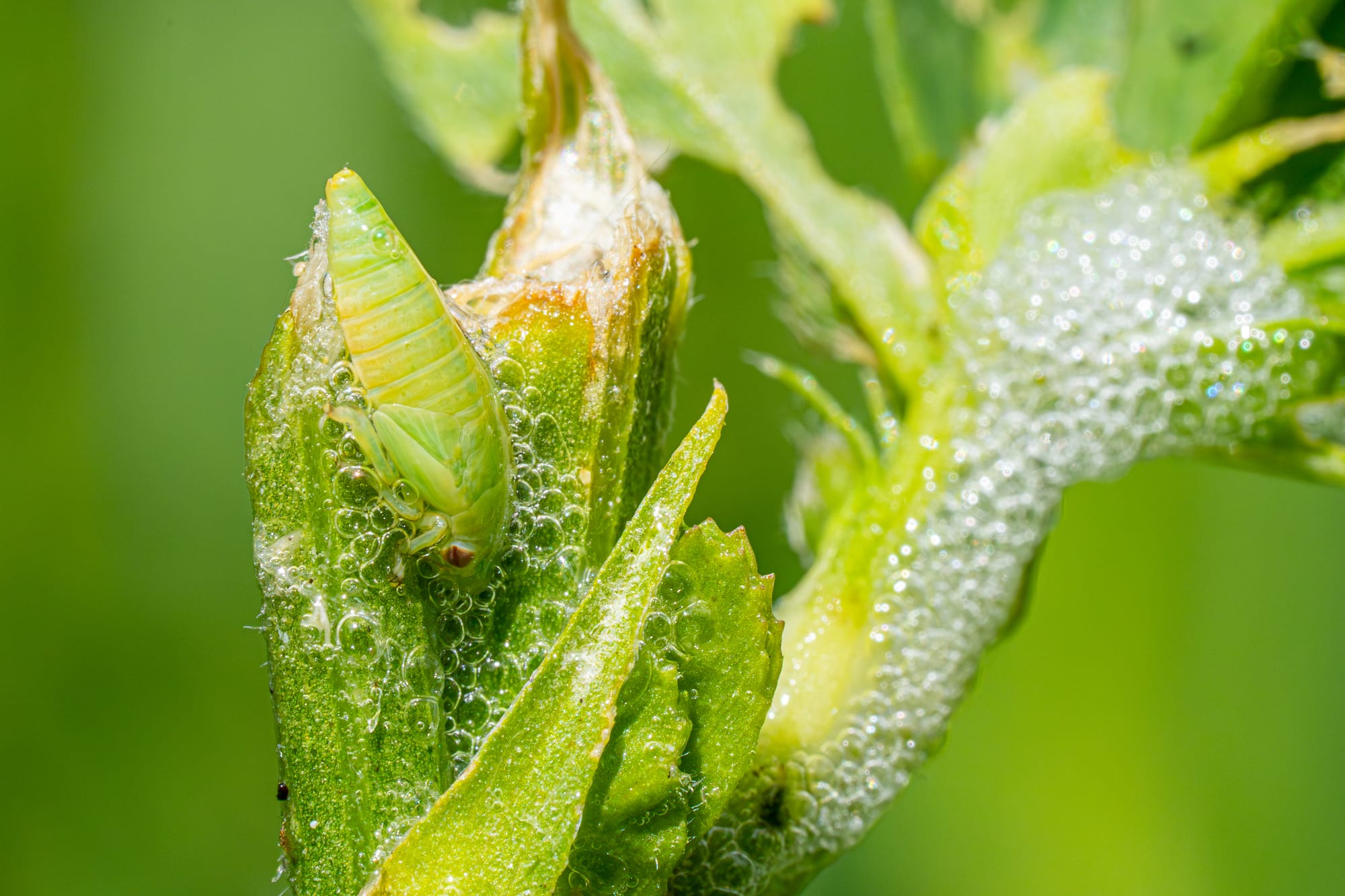
Interestingly, these bubble baths are also homes for a wide range of amoebas, rotifers, bacteria, and other freshwater microorganisms, in addition to three species of fly larvae, so they're like little ecosystems.
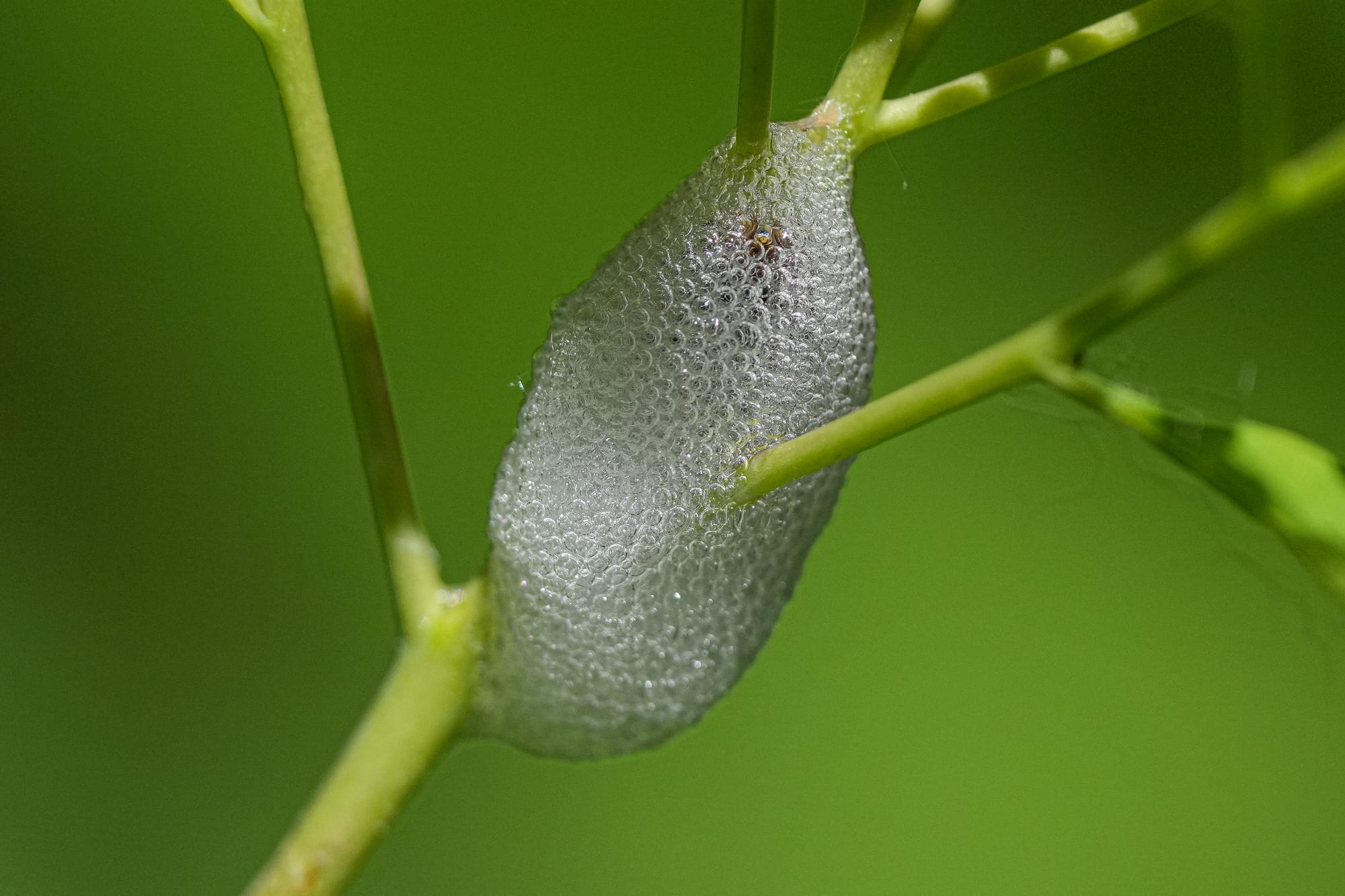
By mid-summer, spittlebug nymphs create large air-filled chambers in the center of their bubble baths and begin their transformations into adults. These adults continue to drink from plants but no longer produce bubble baths because they have wings for flying and powerful legs for jumping away from predators.
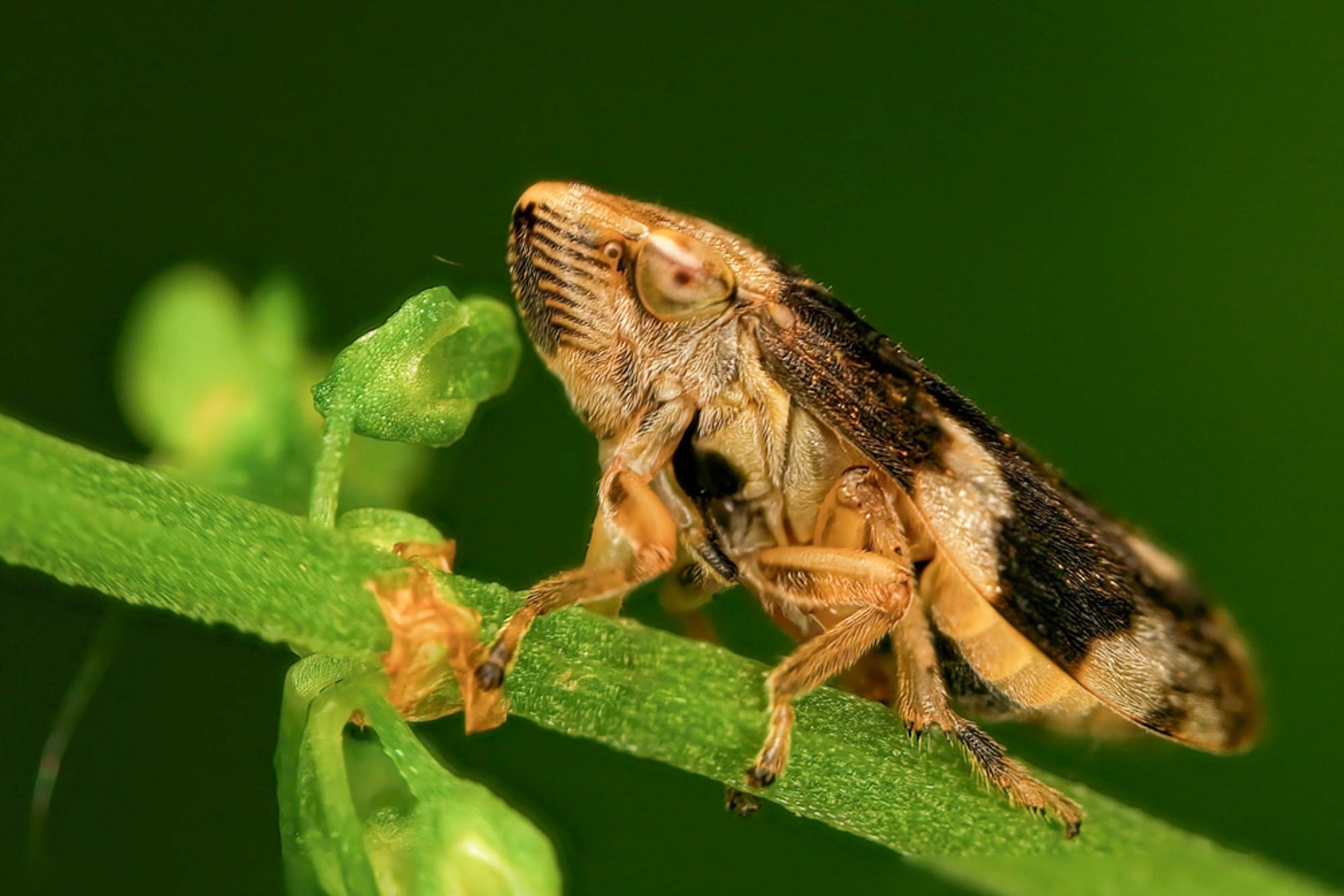
And if spittlebugs aren't already cool enough, here's one more fun factoid: spittlebugs are now thought to be the champion jumpers of the animal kingdom. Despite being much heavier and bigger, adult spittlebugs can jump 4.7 times faster, and with three times more force, than fleas, the previous reigning champions. But let's leave that story for another day!
Further reading:
I started the newsletter by mentioning the unique properties of foam. This article is a deeper dive into this topic, while this article is a more technical, general overview of why fluidic forms are important and why scientists and engineers are studying them.
One topic I didn't have space to cover in today's newsletter is how spittlebugs breathe inside their foam nests, the whole process is quite fascinating if you'd like to peek at this study.
And here's more information on the jumping ability of spittlebugs.
Finally, here's a brief mention of some of the new research on spittlebug bacteriomes.

Member discussion