Whale Fall
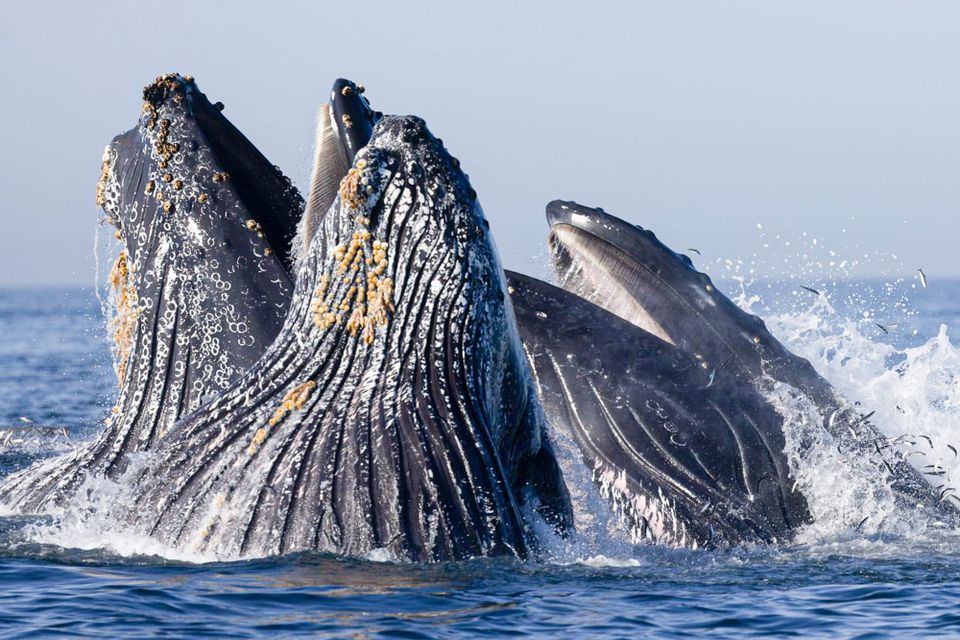
Whales have long impressed humans with their immense size, but in the past couple of decades, scientists have discovered that the massive bodies of whales actually play an even bigger role after they die.
It's almost impossible to comprehend the sheer numbers of whales that once ruled the world's oceans. For example, one early observer estimated that 30-40,000 gray whales once traveled along the California coast each year, with so many carcasses littering the coast that grizzly bears and other predators freely roamed the beaches, feasting on whales.
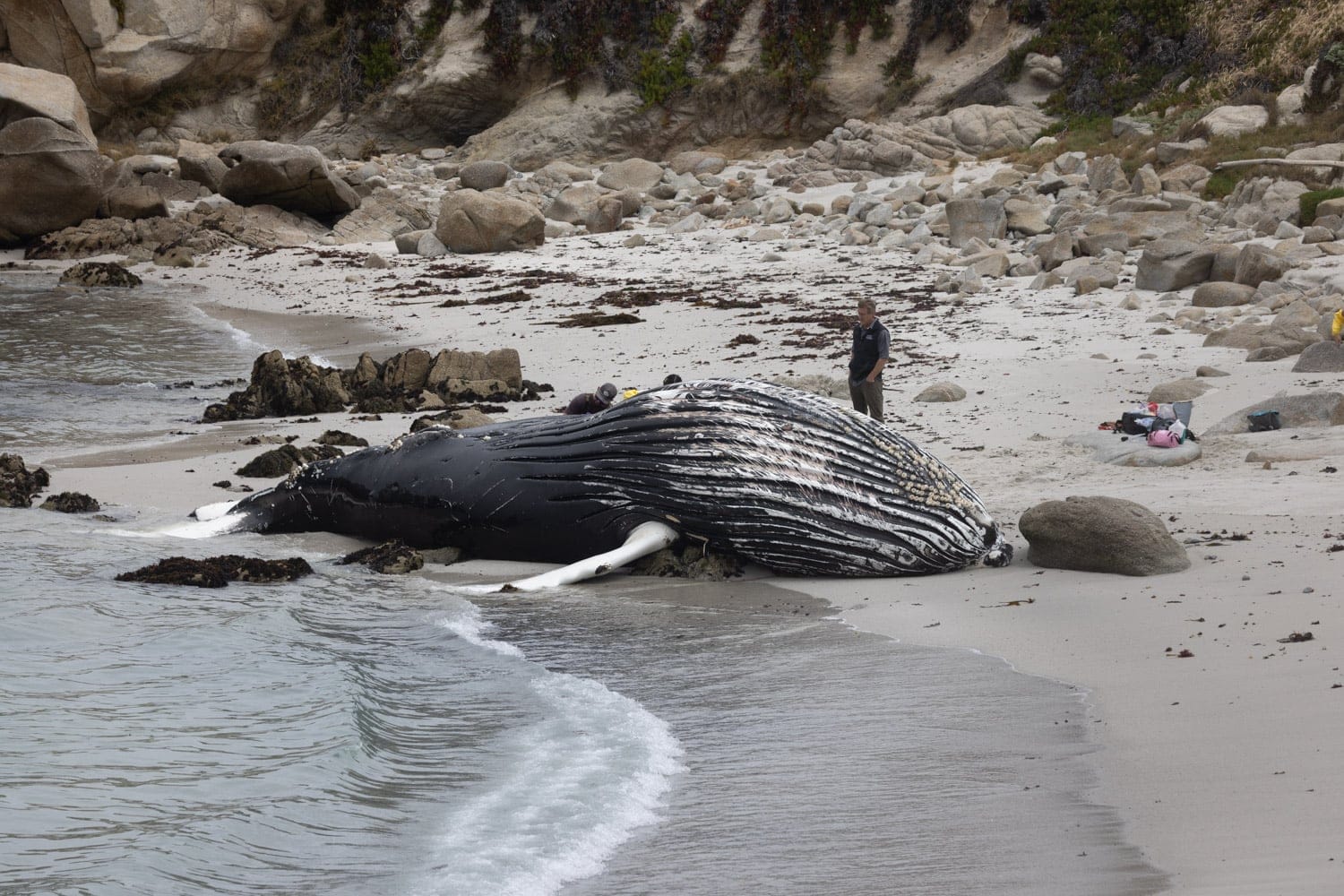
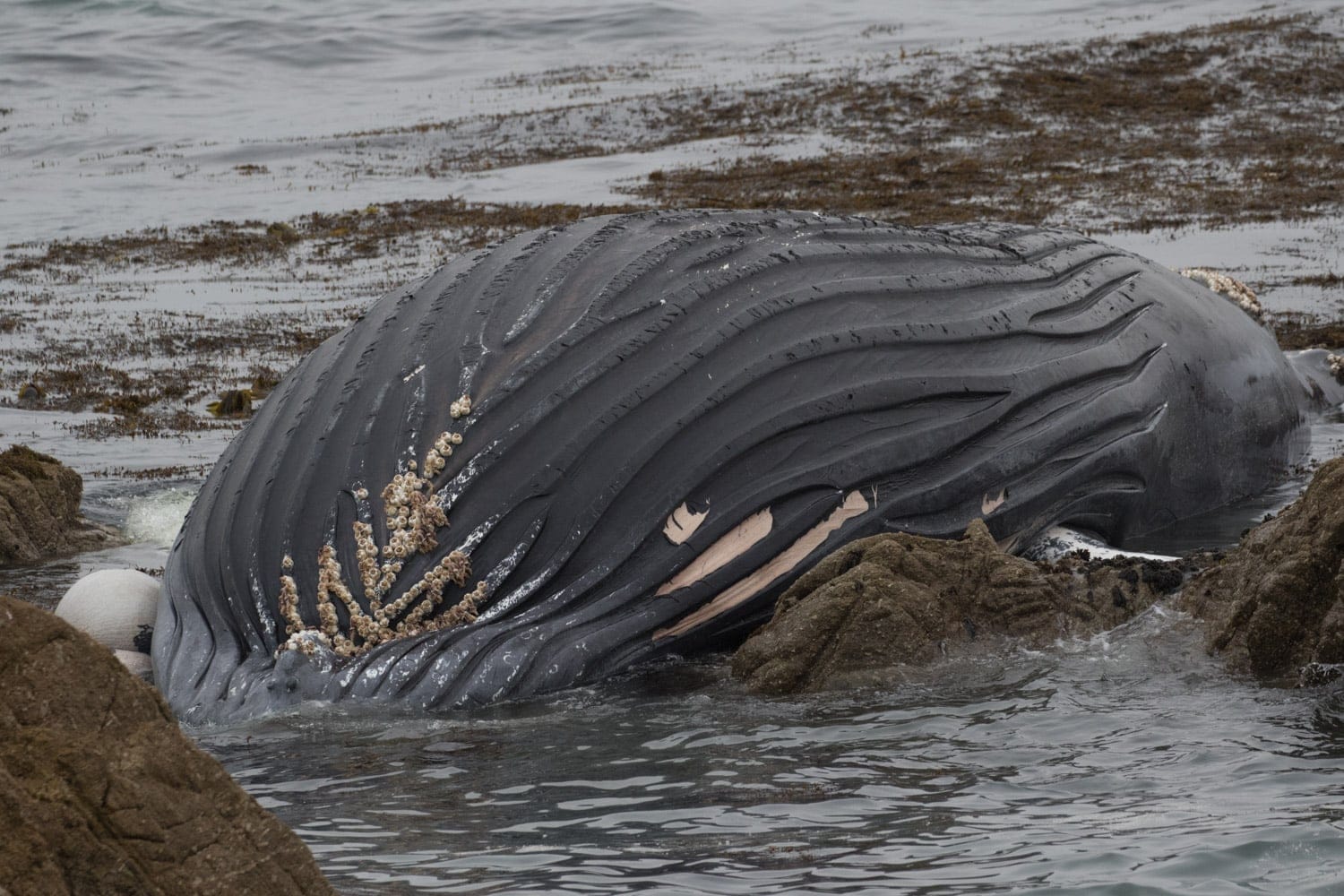
It's now a notable and newsworthy event whenever a whale carcass washes up on a beach somewhere in the world, but few people realize that most whales simply die and sink out of sight.
In fact, since the mid-1800s, scientists have been wondering what happens to whale carcasses after they sink out of sight, but it wasn't until 1987 that a whale carcass was finally discovered and filmed on the seafloor. To everyone's astonishment, it turns out that whale carcasses are incredibly important and have been attracting utterly unique communities of life for over 30 million years.
To understand why whale carcasses are so significant, it helps to realize that the seafloor, and especially the deep seafloor, is an impoverished, nutrient-poor environment. No sunlight energy penetrates this deep, and the bottom consists mostly of vast featureless plains covered in soft goo. All organisms that live at these depths depend entirely on a slow but steady input of "marine snow," bits of organic debris drifting down from the sunlight world at the ocean's surface.
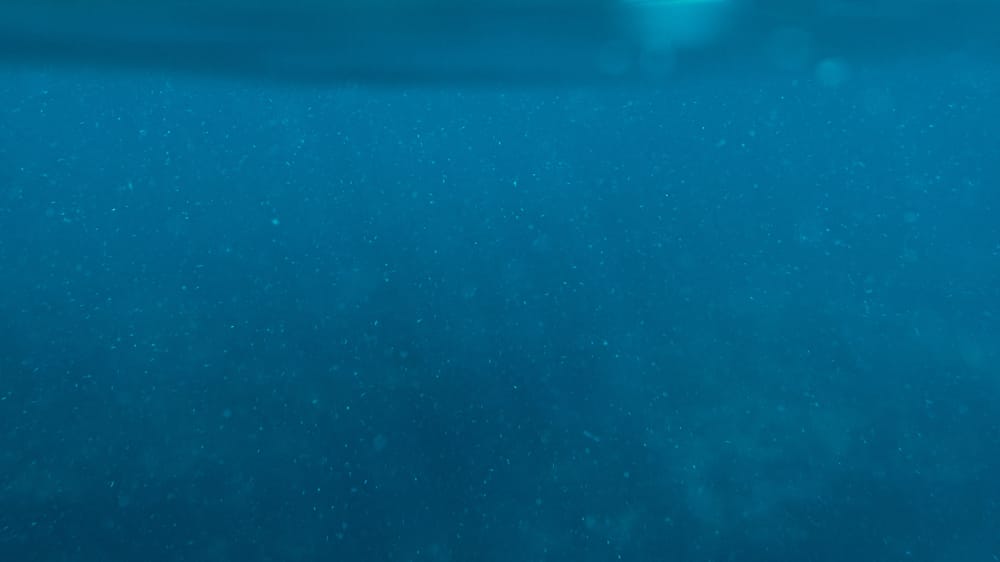
On the other hand, a whale carcass represents a massive and sudden input of highly concentrated energy. In fact, a single whale carcass that weighs anywhere from 9-175 tons equals the input of 2000-4500 years of marine snow. Even more significantly, 87% of a whale carcass is composed of high-quality proteins and fats.
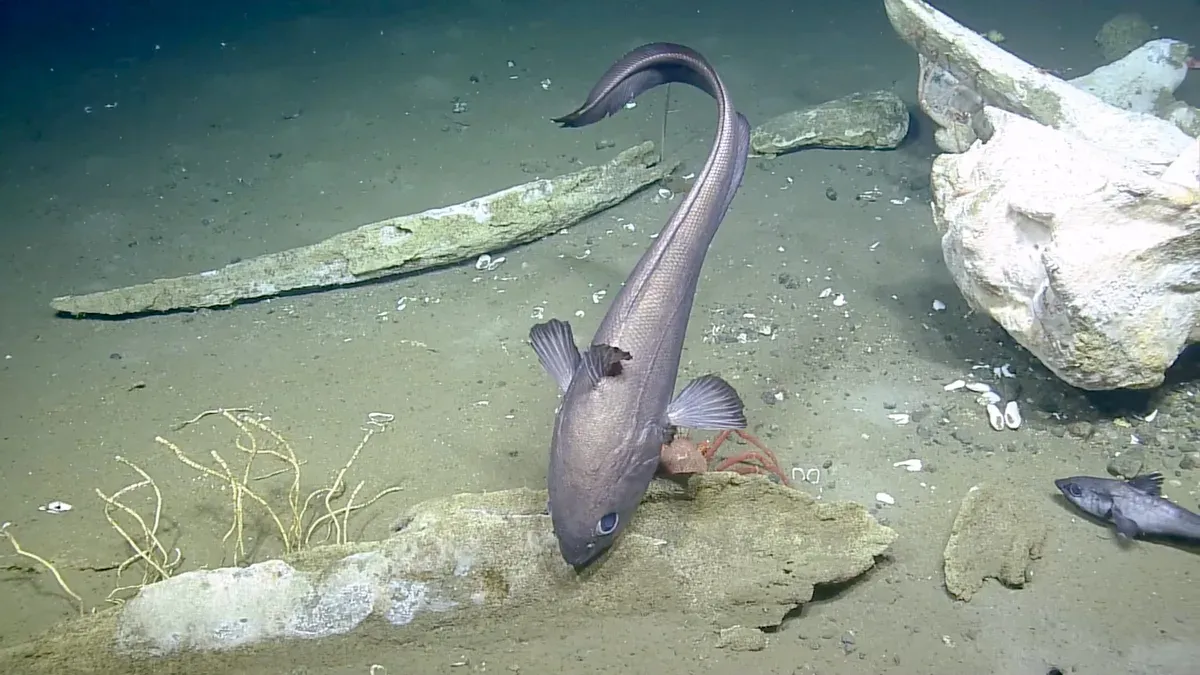
There are three ecologically distinct stages in the breakdown of a whale carcass, with some scientists proposing a fourth stage. In the mobile scavenger stage, scavengers like sharks and eelpouts (a type of eel-like fish) arrive from miles away to quickly devour readily available flesh and blubber. However, these voracious scavengers are sloppy feeders that scatter bits of tissue, spread the footprint of the carcass, and set the stage for the arrival of so-called enrichment opportunists. These smaller scavengers then take months to years to work over the carcass and surrounding sediments, consuming any remaining bits of tissue.
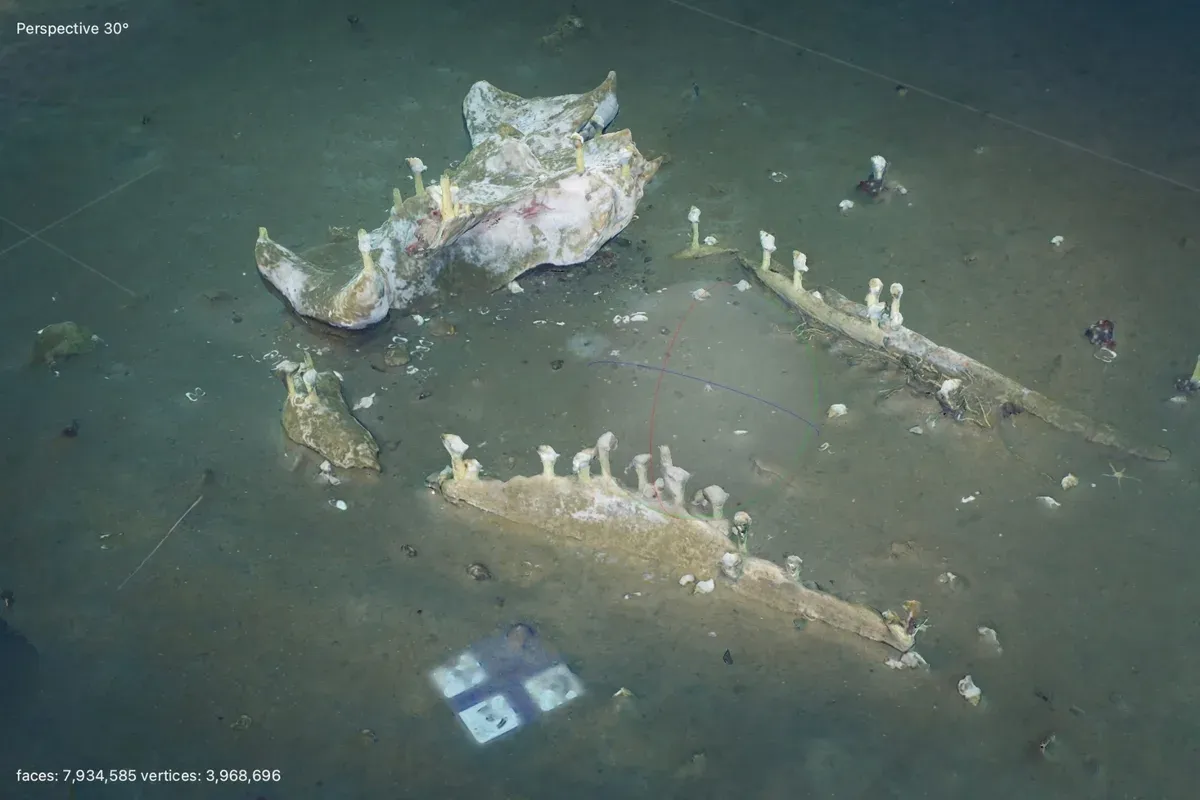
When all that remains are bones, the sulfophilic stage begins as a remarkable community of chemosynthetic bacteria breaks down the lipids trapped in bones. This activity releases sulfides that support dense bacterial mats as well as a rich community of mussels, clams, and worms that feed on these microbes. But lipids are embedded in a matrix of apatite and collagen and are incredibly hard to access, so this stage lasts for many decades or centuries.
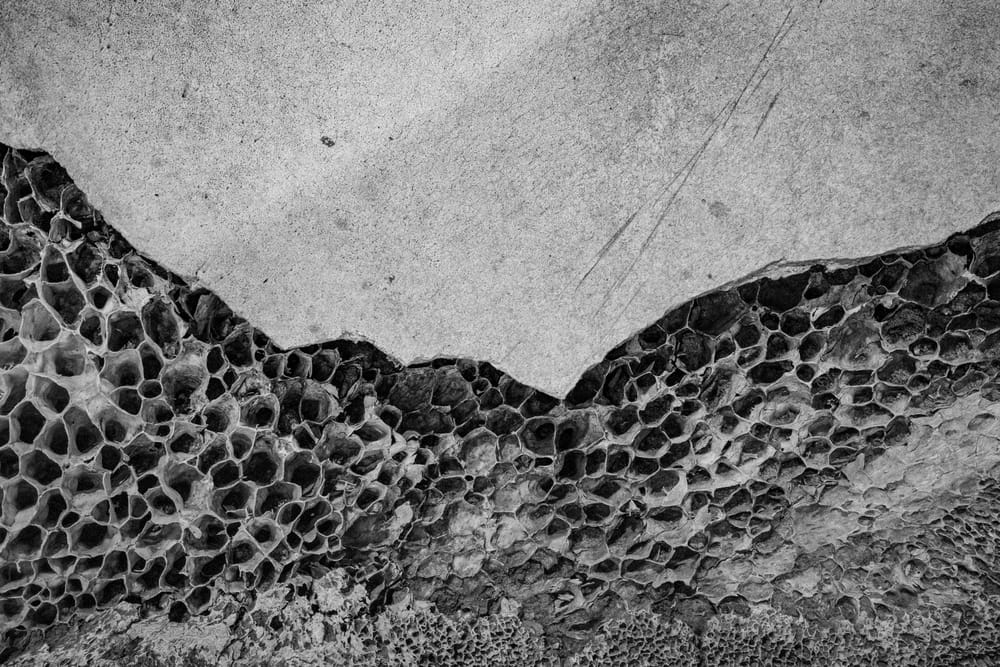
Then, finally, when nothing remains but solid mineral leftovers, the bones turn into a reef-like foundation where, for an unknown period of time, suspension and filter feeders (i.e., sea anemones) find firm footing amid the gooey sediments of the seafloor.
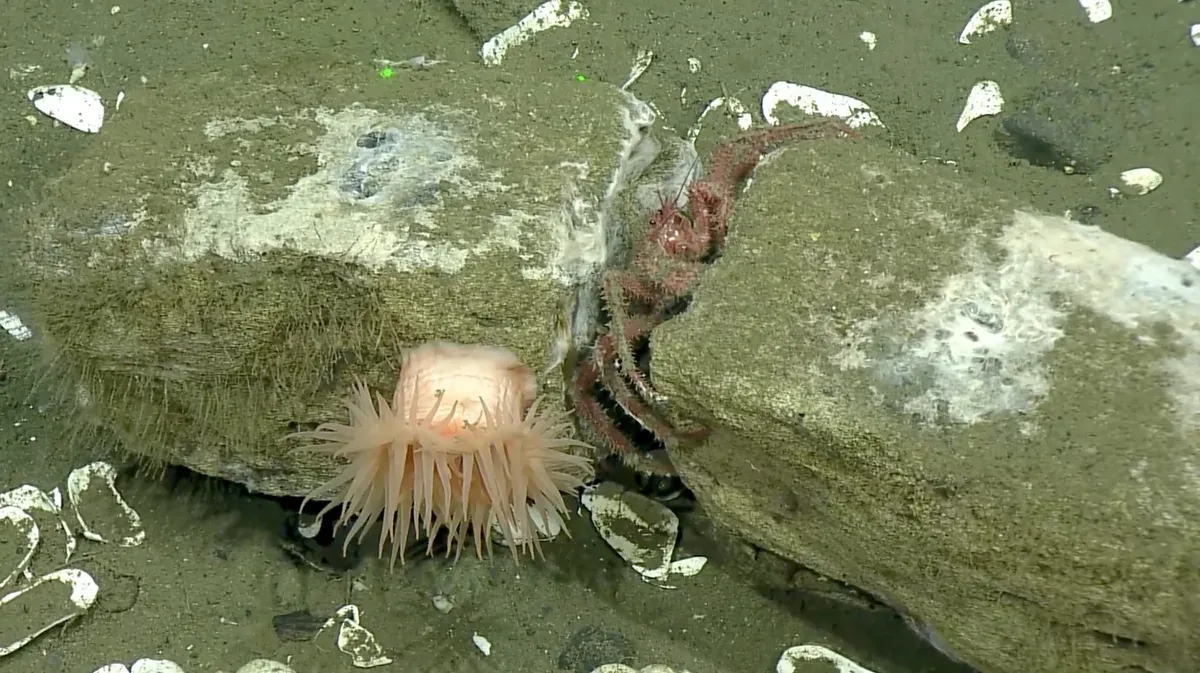
At all stages of this very long journey, whale carcasses create highly concentrated pockets of life, including scavengers that feast on carcasses and predators that feast on scavengers, but the impact of whale fall is much bigger than these pockets of life. First off, scientists are beginning to realize that whale falls are centers of epic evolutionary diversity, and hundreds of species have evolved to be whale fall specialists that entirely depend on whale carcasses for their survival (with many more species likely going extinct when whales were hunted into near-oblivion!). Secondly, other highly specialized organisms that inhabit seafloor vents and hydrothermal seeps appear to use whale carcasses as stepping stones between these rare habitats, creating ecological and evolutionary spiderwebs that crisscross the world's seafloors. Without whale carcasses, the deep sea would be a very empty place indeed.
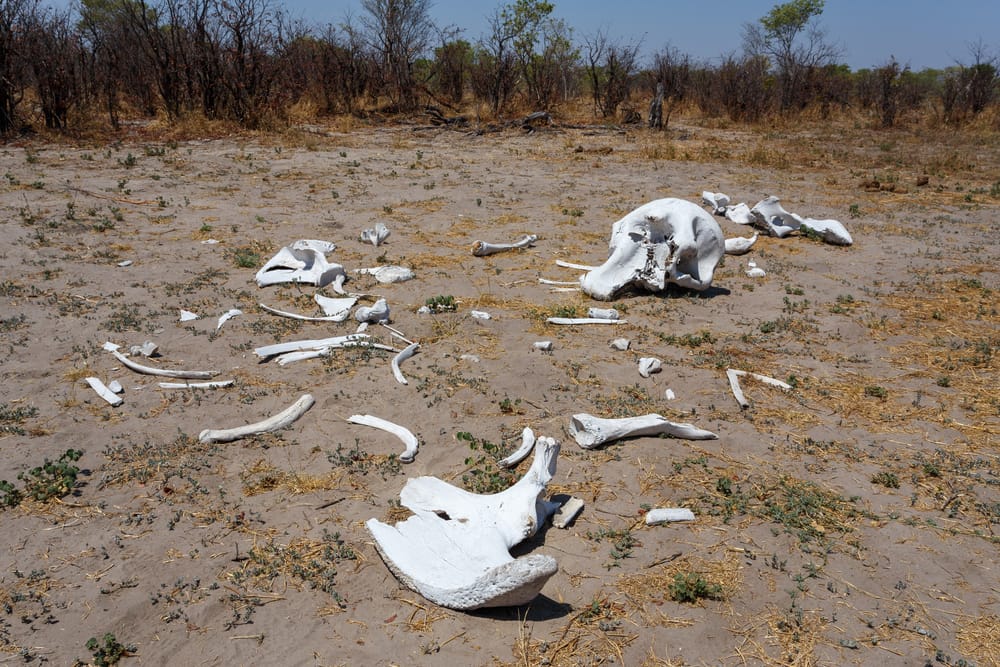
Elephants Too!
And speaking of large animals, it makes sense that dead elephants play a similar role on the African savannah. In fact, nitrogen levels in the soil around an elephant carcass are 3000 times higher than in other soils, creating a "hotspot" so intense that it suppresses microbial activity and plant growth for years. Over time, however, vigorous plant growth returns, attracting high numbers of grazers and predators for up to eight years after the carcass is gone. [This article describes some of the current research on this topic.]
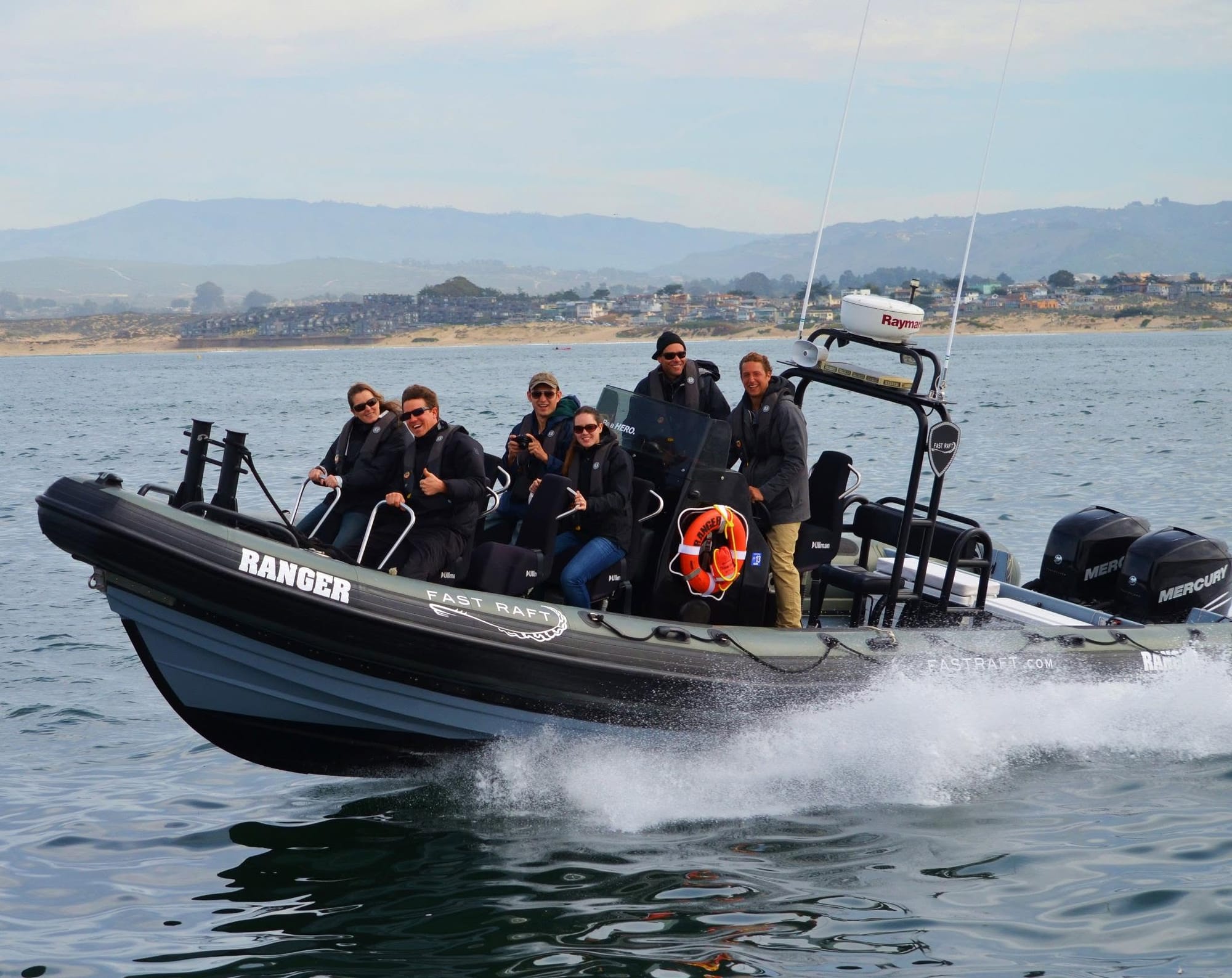
Whale watching with Fast Raft
Many of the photos in today's newsletter are courtesy of my friends at Fast Raft, who provide a unique way to experience whales in Monterey Bay at eye level. This is one of the best sites in the world for seeing large numbers of whales, dolphins, and seabirds starting within a mile of the shoreline! Check out their website for details.
Further Reading:
Two short articles for popular audiences...
This Whale Died Decades Ago. Its Carcass Is Now the Ocean’s Hottest Housing Complex
A Whale Necropolis Beneath the Indian Ocean May Hold Over 10 Million Carcasses Built Up Over 5 Million Years (incredible!)
Two of the many scientific papers on this topic...
Whale-Fall Ecosystems: Recent Insights into Ecology, Paleoecology, and Evolution (comprehensive review of our current understanding of this topic)
Two videos...
The Stages of Whale Decomposition (a video summary of everything I talked about in today's newsletter)
Revisiting a Whale Fall on Clayoquot Slope | Nautilus Live (live video of researchers at work)

Member discussion