Breakdown Dead Ahead
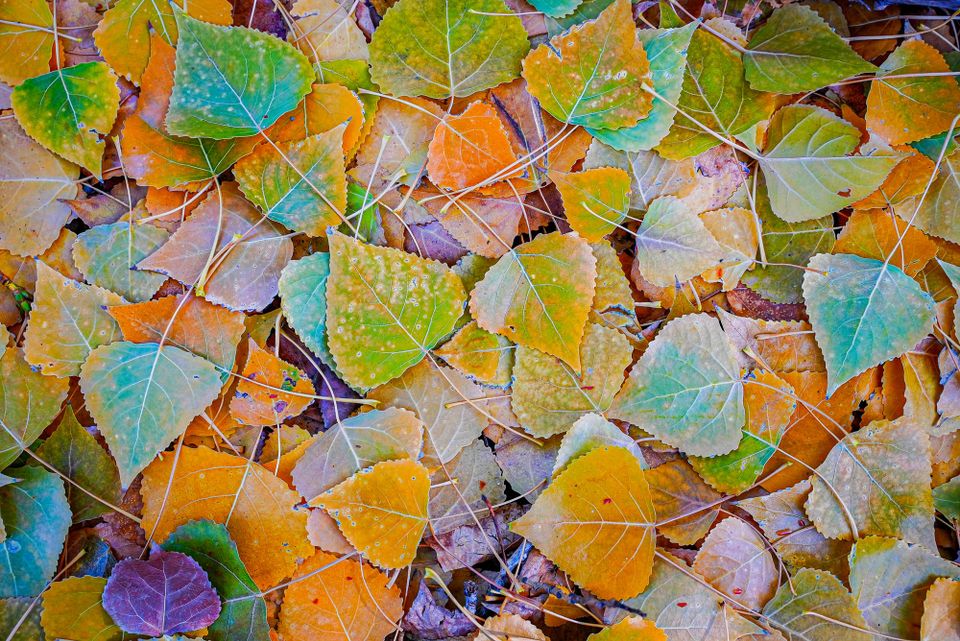
The blazing colors of autumn get all the glory, but what happens after everyone heads home and stops paying attention?
For one brief, glorious moment each fall, forests enchant us with their brilliant displays of changing leaves. People arrive in hordes to catch the leaves in their prime, articles are written, and stories are broadcast on the evening news. But then the colors fade, leaves drop, and everyone stops noticing what could be one of the most remarkable processes on Earth.
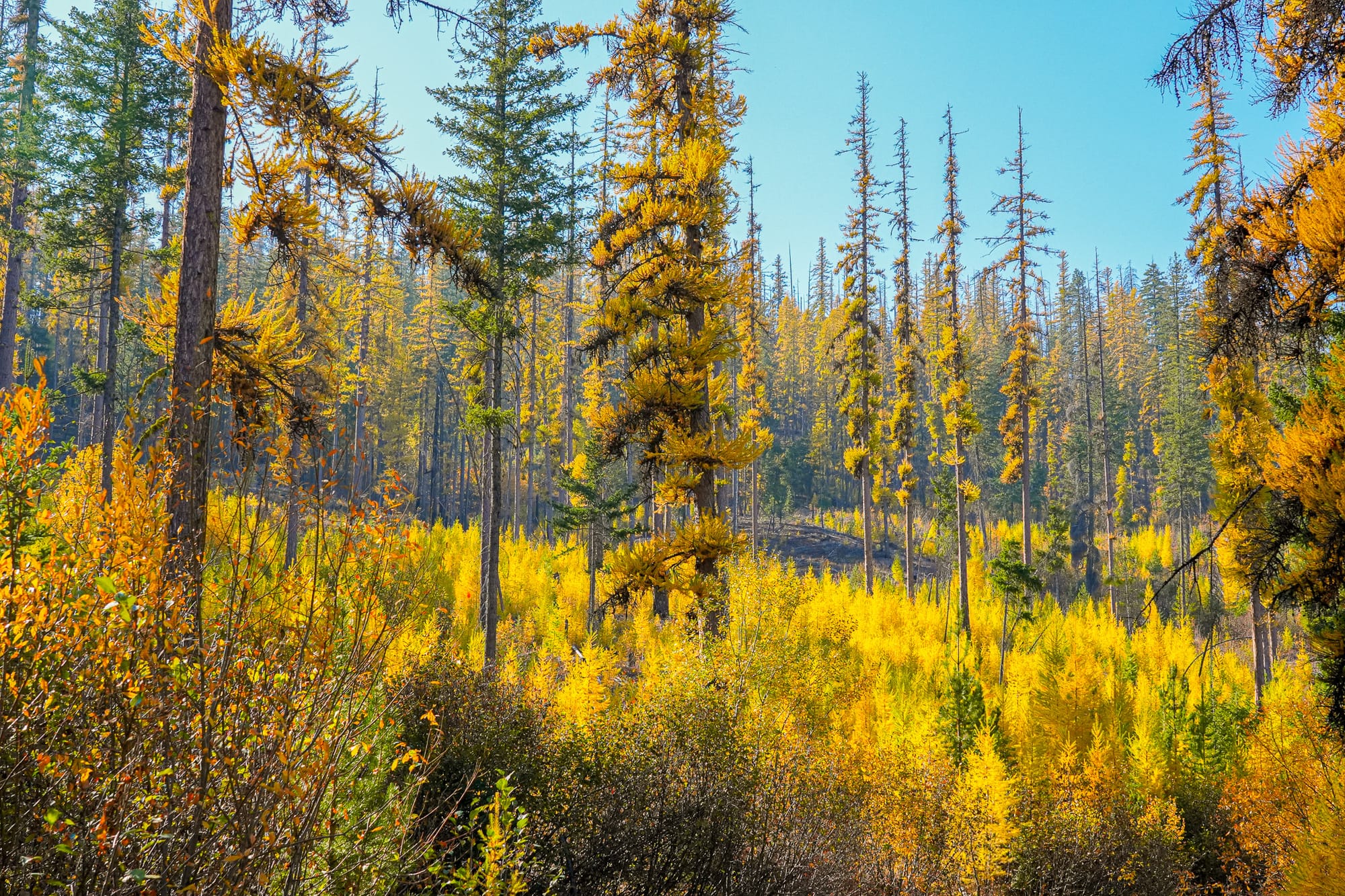
First of all, it helps to realize how insanely abundant leaves are and what happens when they fall. As I mentioned in a previous newsletter, it is estimated that leaves have twice as much surface area as all the landmasses on Earth combined, and that 60% of all living tissues are leaves!
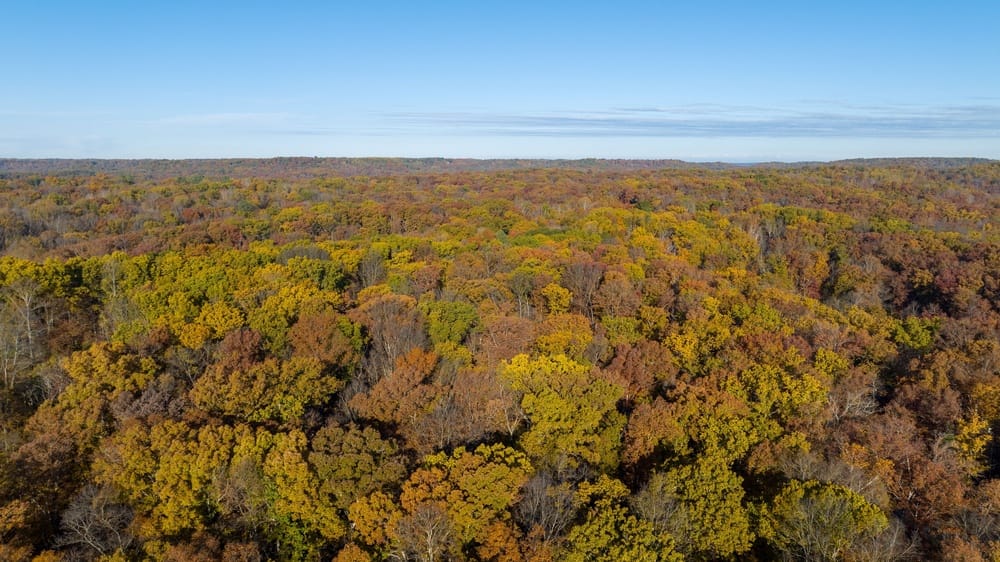
While small numbers of leaves fall all the time, the mass of leaves that drop in the autumn is almost impossible to comprehend. Although leaves typically weigh less than a gram, a single branch can have hundreds of pounds of leaves, and individual trees can produce several tons of leaves.
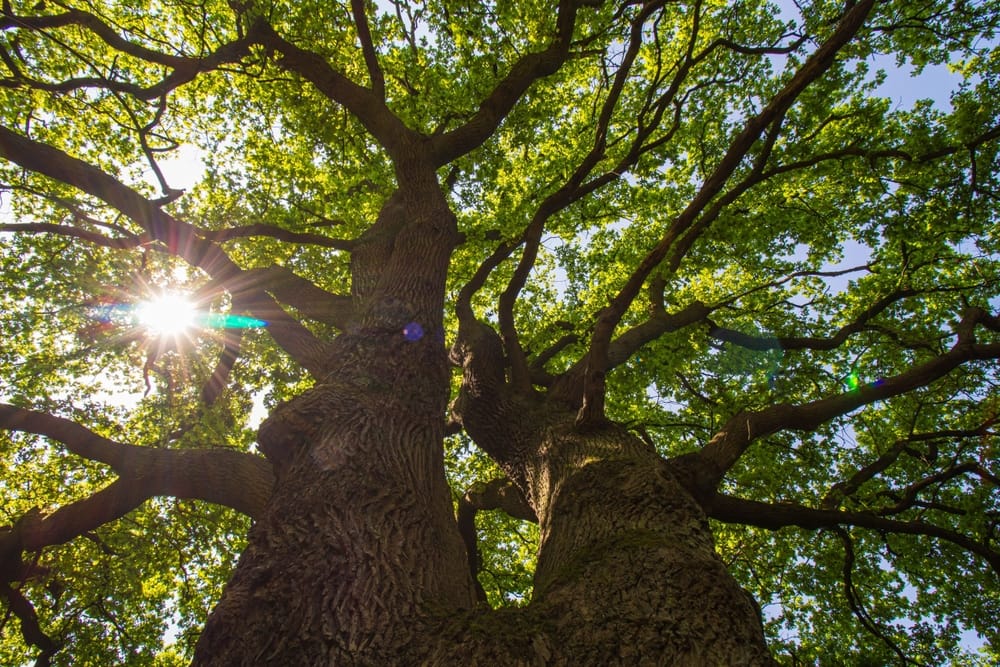
When these numbers are multiplied across an entire forest, and leaves fall, they constitute the largest source of stored energy and nutrients delivered to the Earth's land surfaces each year. And this stored energy then supports an incredibly complex web of life from microscopic bacteria to the Earth's largest trees.
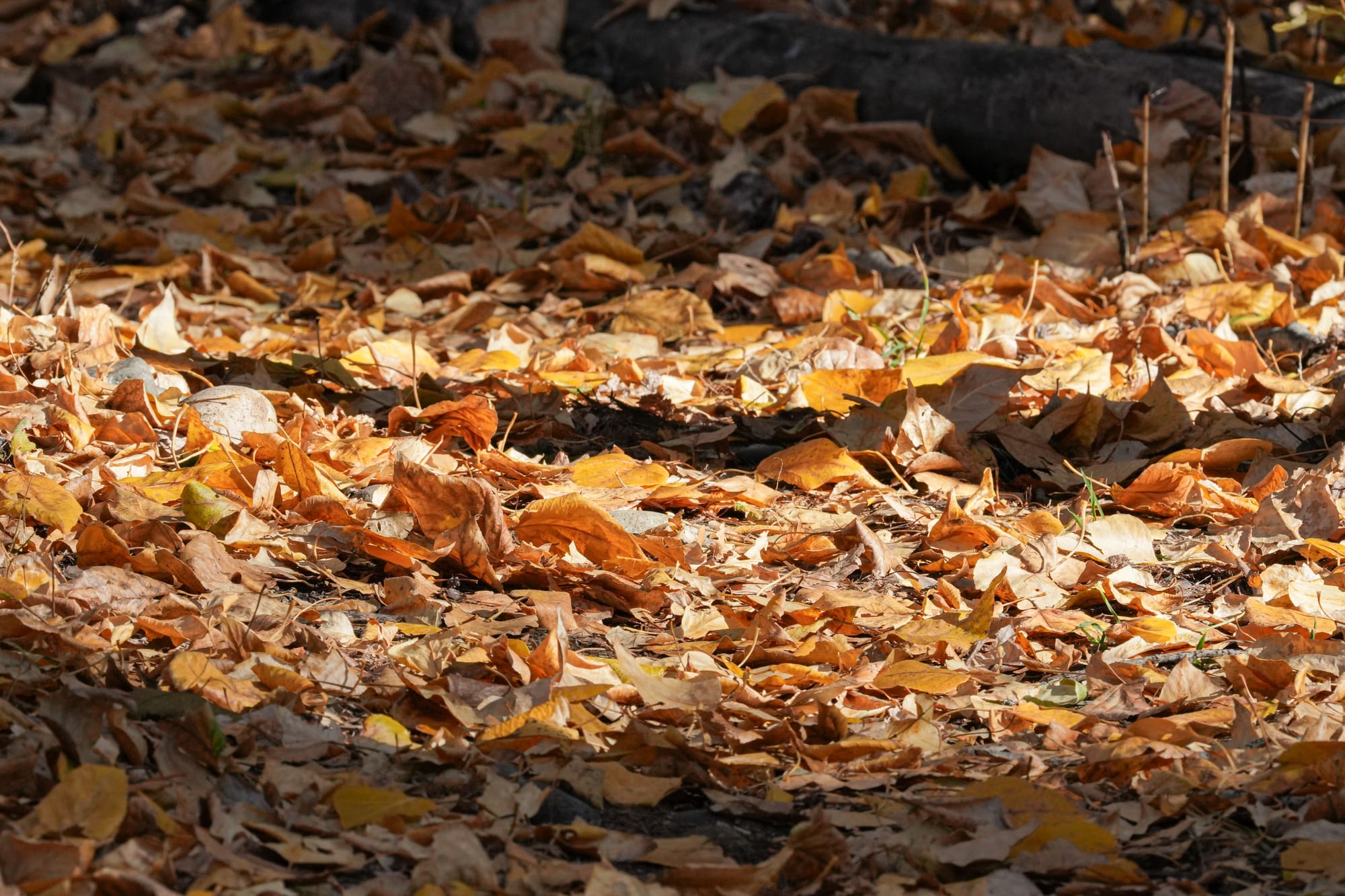
Within hours or days, rains begin to leach water-soluble sugars, amino acids, and minerals from fallen leaves into the soil, where they are readily consumed by microorganisms. Then, as leaves begin to soften, larger decomposing organisms like earthworms, millipedes, and mites begin to nibble on fallen leaves, consuming many of the most easily accessed nutrients and breaking leaves into smaller fragments that are then attacked by countless fungi and bacteria.
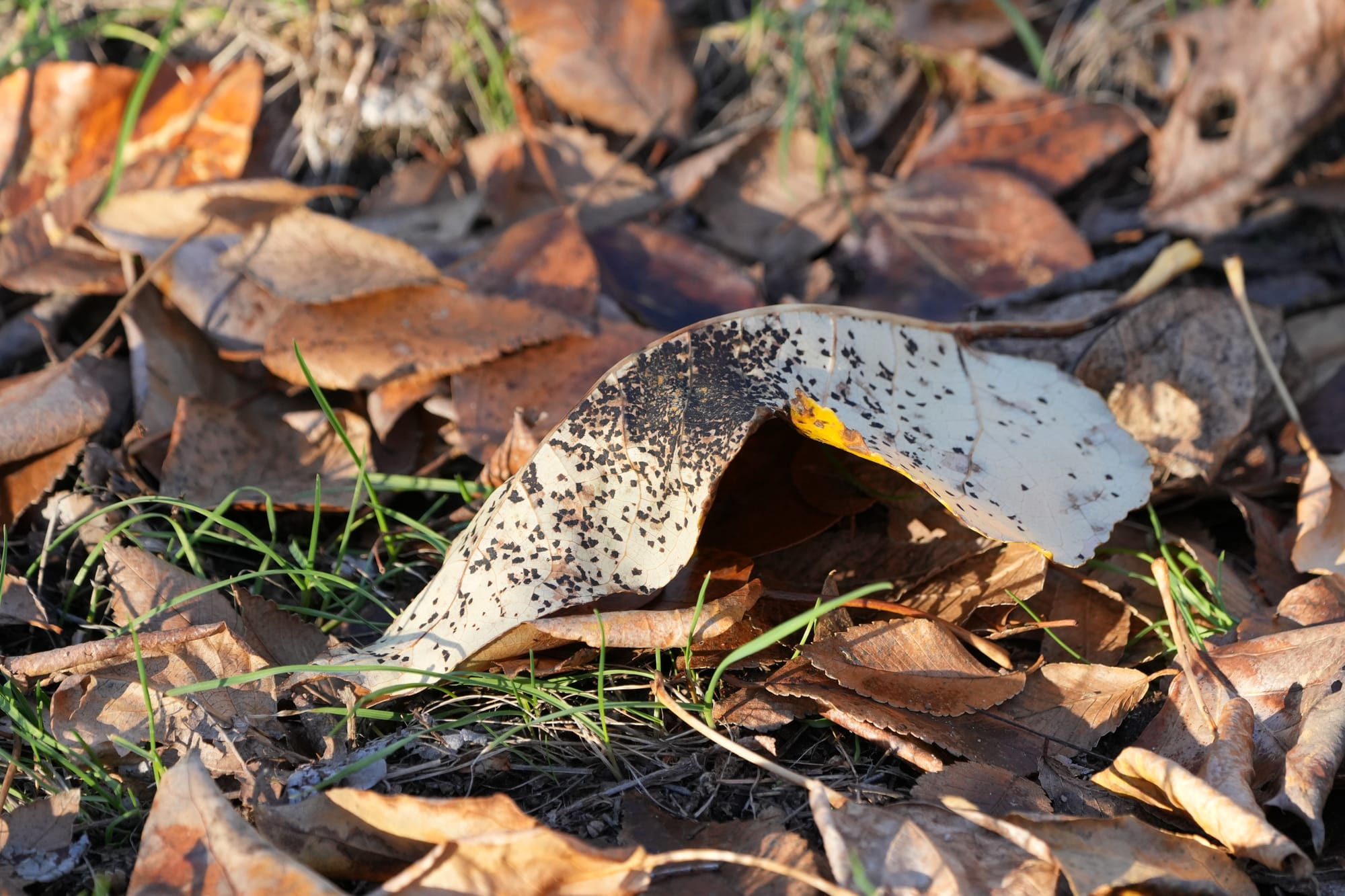
Throughout this multi-stage decomposition process, elements stored in leaves are converted from organically bound forms to inorganic forms that accumulate in the soil and ultimately provide 70-90% of the nutrients needed for plants to grow.
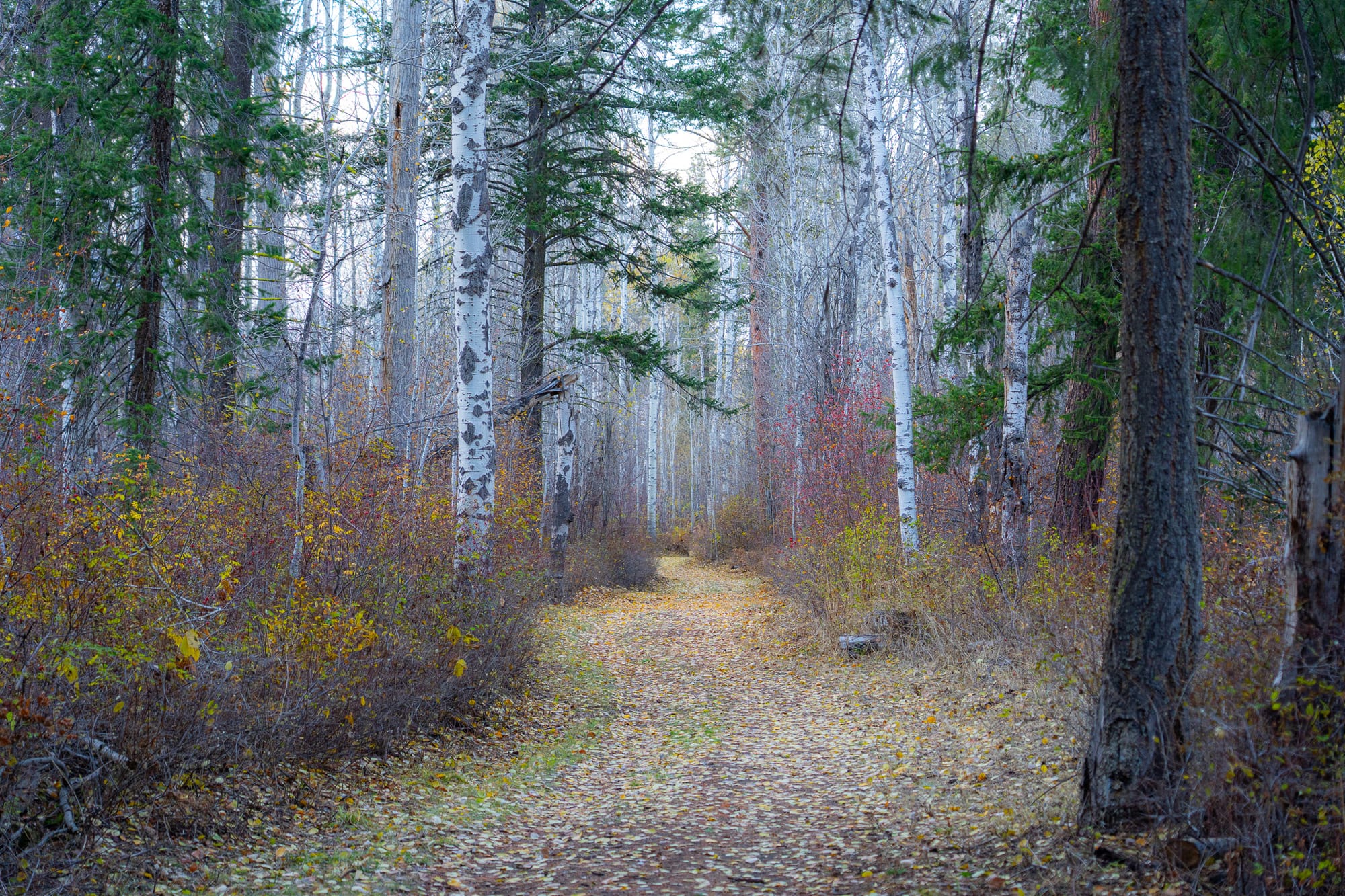
If you've ever had to rake leaves in your yard or if you've kicked your way through leaves on a late autumn hike, you're familiar with how many leaves accumulate on the ground. But decomposition proceeds so quickly that up to 20% of the weight of these leaves can be lost in the first 20 days, and 50-80% of their mass may be lost within the first year. After a while, all that's left are the more indigestible components of leaves, and then decomposition proceeds at a much slower pace over several more years.
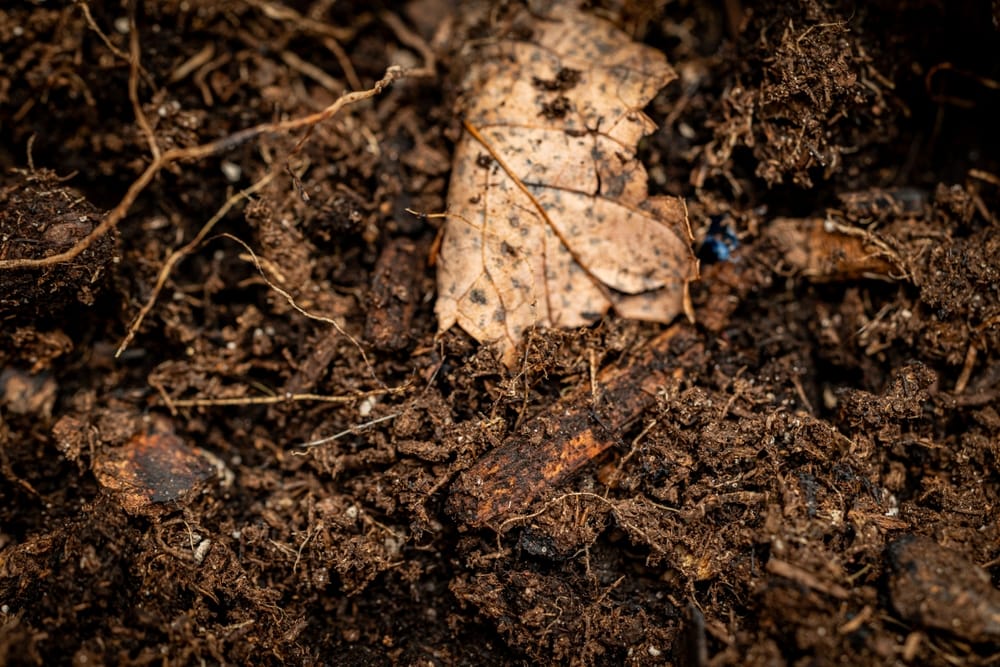
What I love about this story is that you can imagine the forest floor breathing in and out each year. In the autumn, the forest takes a quick deep breath, and the forest floor rises; then over the following year, it slowly lets its breath out, and the forest floor sinks again. Up and down, in and out, year after year, the beating heart of a healthy ecosystem.
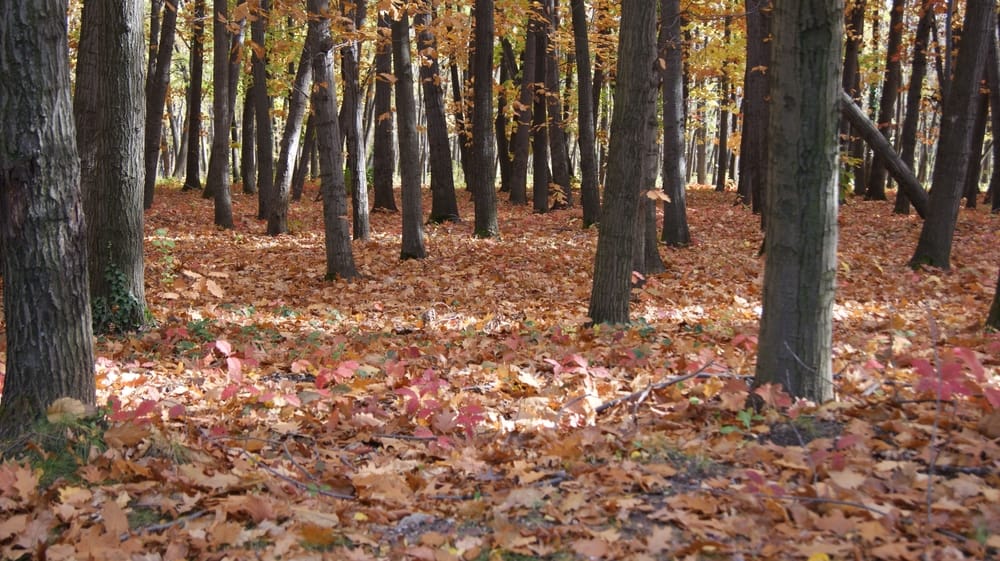
It's a simple image of the forest as a breathing organism, but behind this image lies a complex web of life worth noticing.
Further Reading:
Leaf decomposition is a topic of great interest to scientists, with over 4000 papers published on this subject. Unfortunately, I still haven't found any "easily digested" books or papers I would recommend for a general audience, but here's a short and simple YouTube video that illustrates the material I covered above.

Member discussion