The Spider's Ear
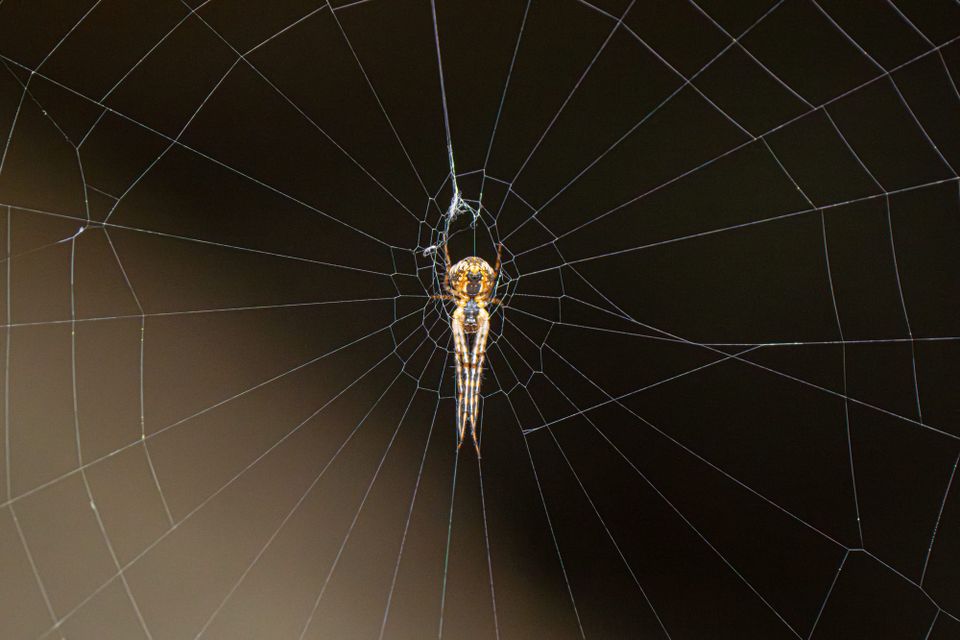
We hear sounds because we have ears, so it seems like the story of hearing is straightforward—that is, until you dive into the question of how spiders hear.
A lot of people have a deep-seated fear of spiders, and I apologize to any of my readers who are having a hard time with this topic, but the reality is that we tend to overlook the incredibly interesting world of spiders. We certainly don't look closely enough to wonder if a spider has ears.
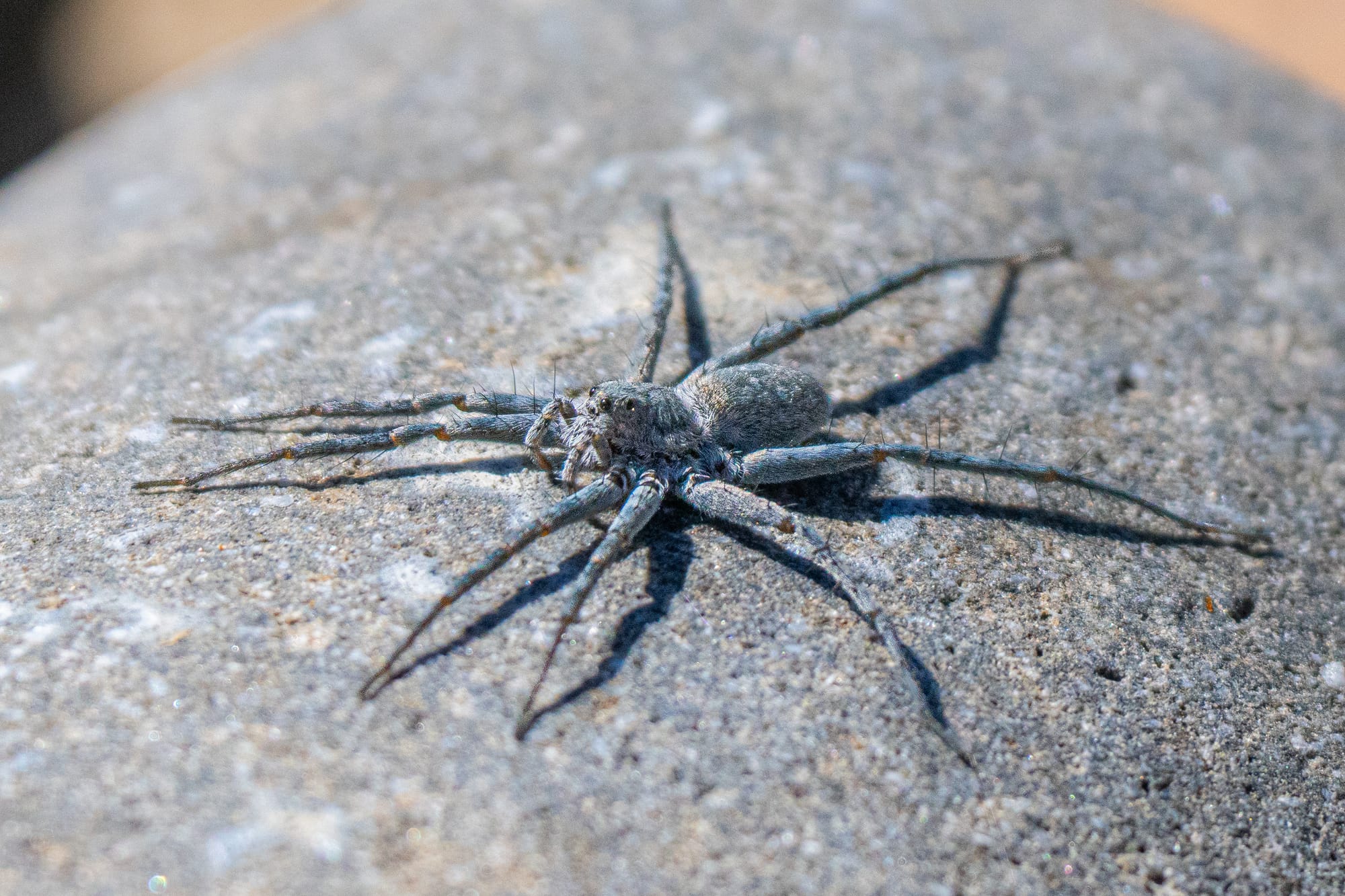
The answer is that spiders don't have ears because they are doing something far more fascinating.

It helps to first understand that sounds are nothing more than structured vibrations that travel through the air, water, and substances. To hear sounds is to detect these vibrations and then interpret them as signals. For example, our ears collect airborne vibrations, and then funnel them to our eardrums, where vibrations of different frequencies are sent as nerve impulses to our brains and translated into known sounds.

Spiders are an entirely different creature because they live in a world of vibrations like us, but they are highly attuned to these vibrations. And, rather than ears, their bodies are covered in unbelievably sensitive hairs (trichobothria) and specialized touch organs arranged in parallel grooves (slit sensilla). How sensitive are these features to vibrations? If a spider were 62 miles big, it would be so incredibly sensitive that it could detect a movement of one millimeter!!!
Spiders that don't build webs and actively hunt can detect the vibrations of walking insects, but more than anything they are masters of picking up airborne vibrations. The trichobothria on these spiders is uniquely tuned to the frequencies of sounds created by flying insects, and even if a spider is blinded it can still detect a flying insect from a foot away and precisely leap to catch the insect in midair.
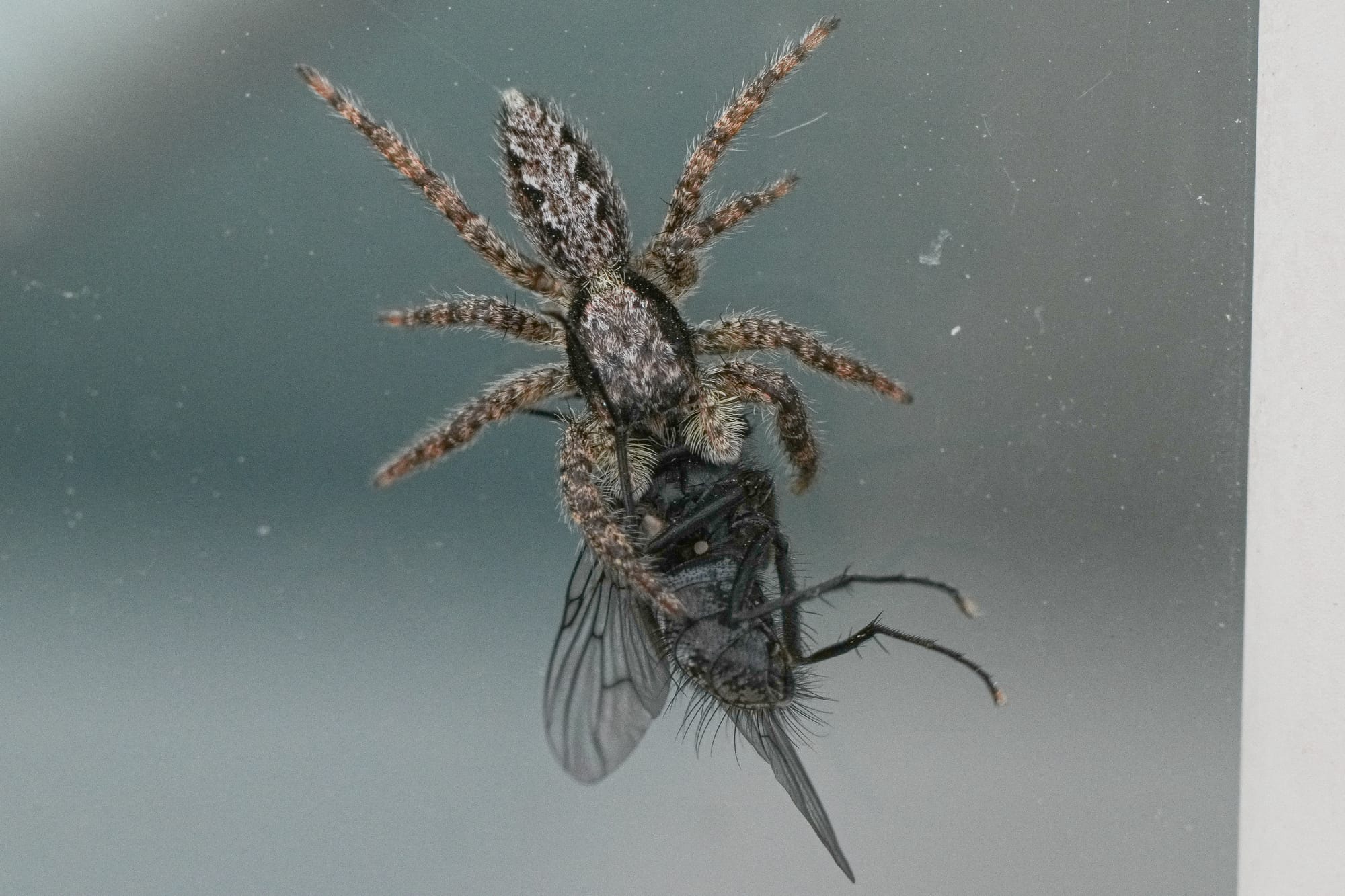
Even more amazing is the fact that nature is a very noisy place, so these spiders must first separate biologically meaningful signals (is this food or a predator!) from abundant background noise like wind and rustling leaves. This is one reason why many spiders typically hunt at night after the wind dies down, and why they retreat to shelters during noisy storms.
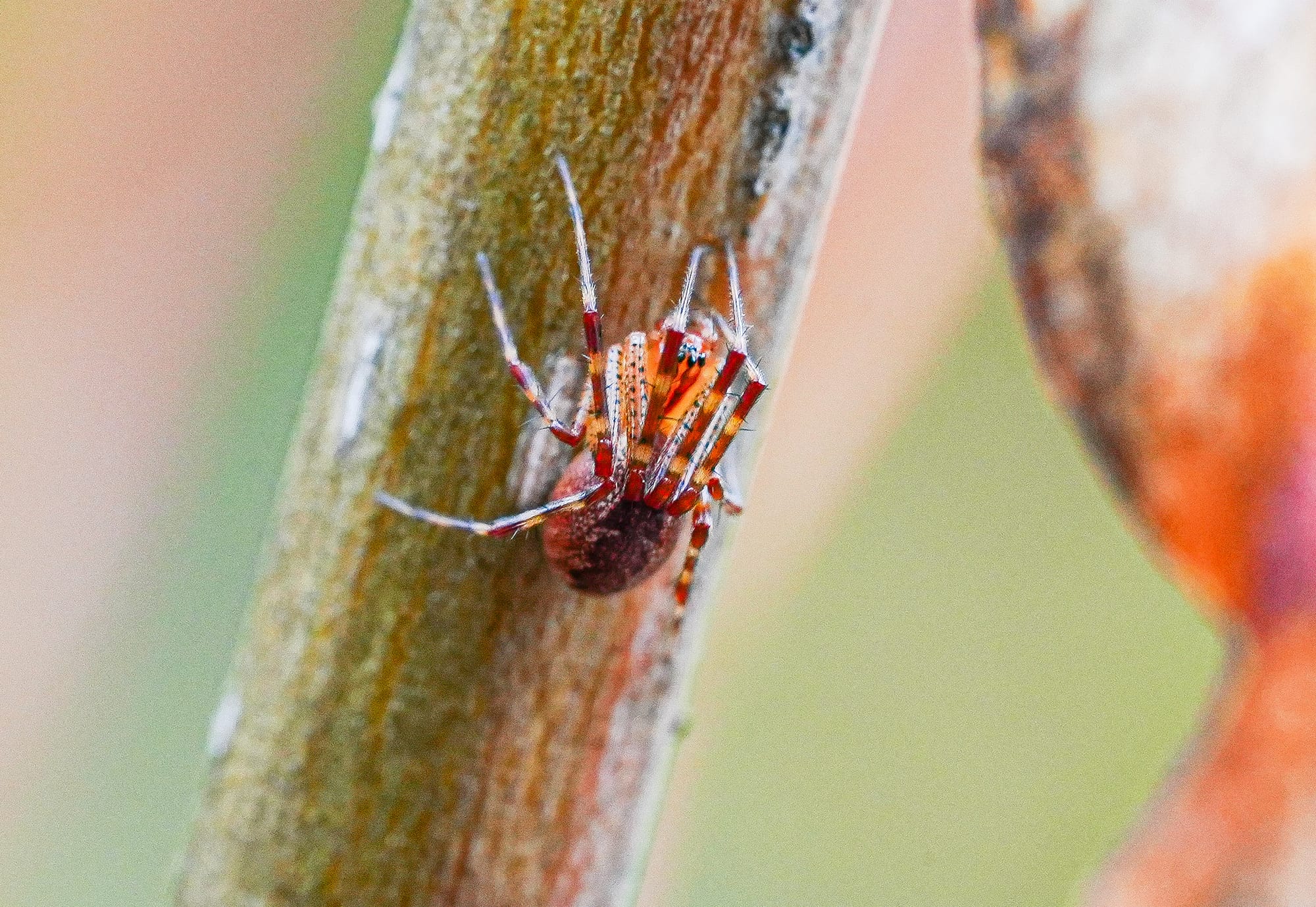
What takes this story to a whole other level is the strategies of web spiders. Unlike hunting spiders that rely on trichobothria, web spiders rely on slit senilla that are more tuned to surface vibrations than airborne vibrations. In fact, web spiders mostly ignore airborne vibrations and won't even react to insects that fly an inch away.
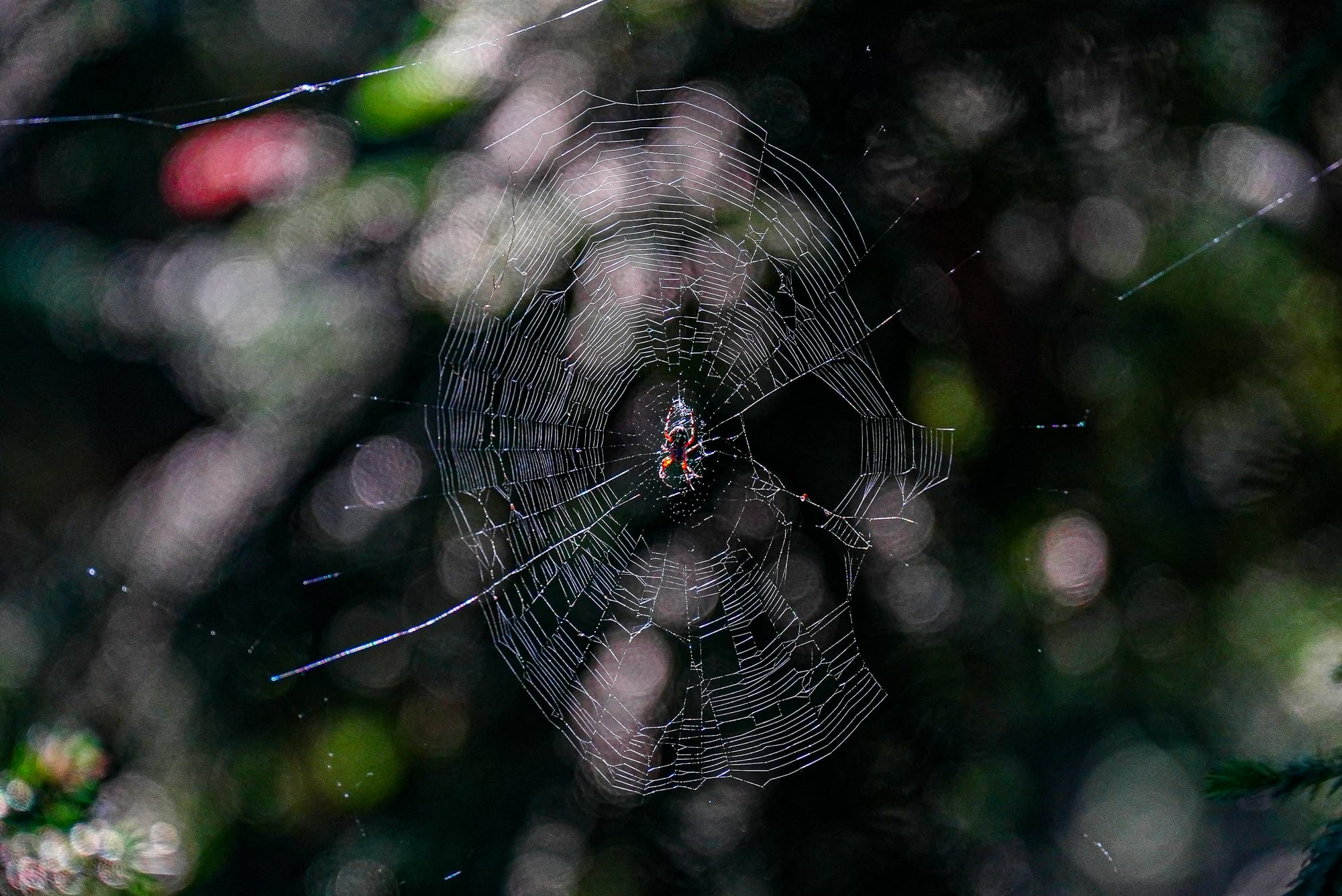
But a web is a web spider's secret weapon. Not only are webs incredibly lightweight (a large web weighs only three ten-thousands of an ounce, about 1/10 the weight of a single grain of sand), but they also manage to strict a delicate balance between architectural demands and the need to effectively transmit vibrations. A web is built out of different types of threads, with the radial threads (the spokes of the wheel) being designed to transmit vibrations.
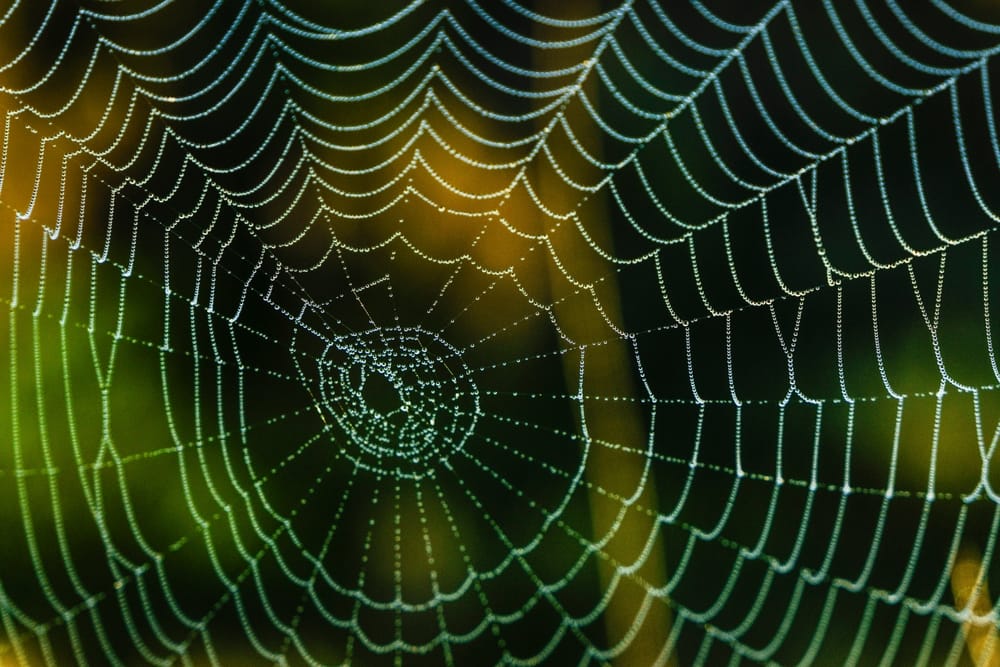
Web spiders then sit at the center of the web (or another strategic location) with the tips of their feet resting on these radial threads and they respond instantly when they detect the vibrations of struggling food.
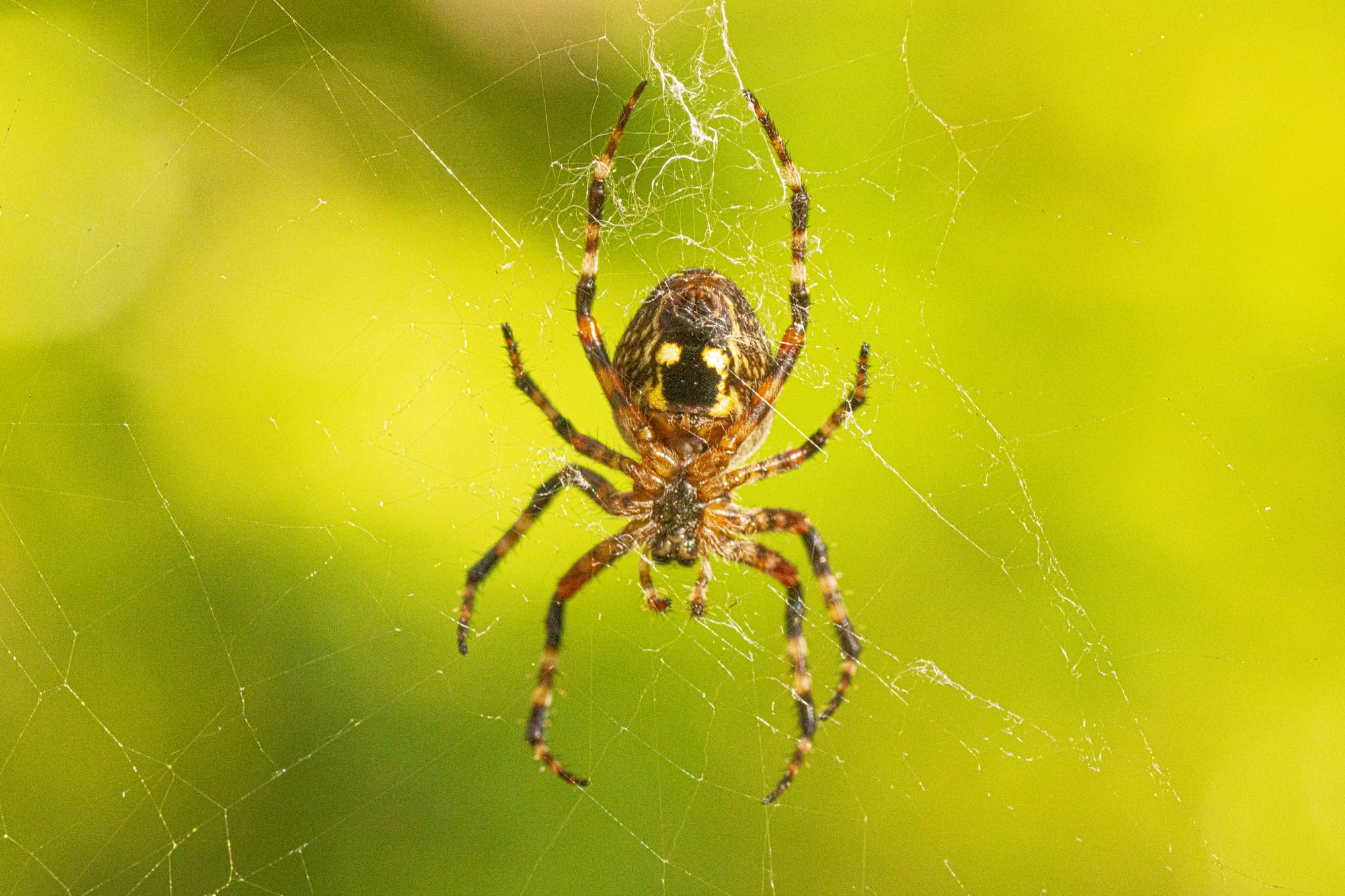
In essence, a spider web is a giant, externalized ear! Webs may not seem like ears to us, but both eardrums and webs are stretched membranes that move in response to vibrations and changes in air pressure. While an eardrum is an internalized, biological organ, and a spider web is an externalized, mechanical sensor, they are effectively functioning in the same way.
Further Reading:
Can Spiders Hear? How They Detect Sound, is a concise summary of this topic.
Some spiders have no ears at all, but researchers found their webs can pick up sound the way an eardrum does, meaning the spider effectively turns its own web into a giant external ear, is an easily read popular article.
Airborne Acoustic Perception by a Jumping Spider, is a scientific paper documenting how jumping spiders hear flying insects.
If you want to go much, much further into this topic, Biology of Spiders by Rainer Foelix, is the best and most comprehensive (but technical) survey of everything you need to know about spiders. A Spider's World: Senses and Behavior, by Friedrich Barth, presents the most important research on how spiders sense and respond to their world (but it's also very technical). If you've ever wondered how much of a nerd I am, I own both of these books and have read them several times. In fact, I own two copies of the Foelix book because one copy is so heavily marked up that it's falling apart! 😄

Member discussion