The Sagebrush Ocean
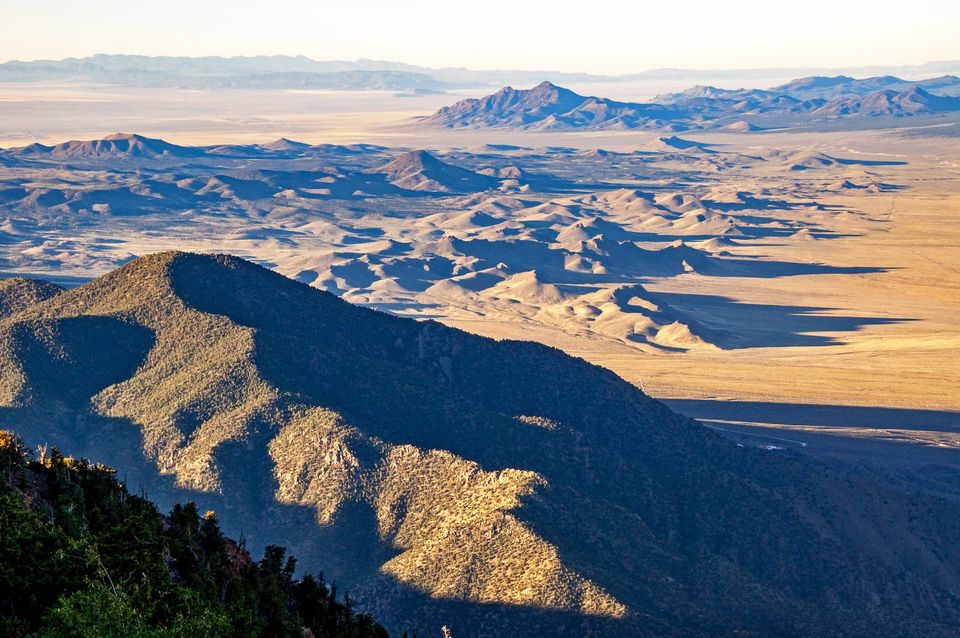
“Nowhere else in the West is there such a sweep of undeveloped country filled with such quiet—a soothing bowl of wild basins and ranges sufficient for a lifetime of exploring.”
I have spent my entire life buying and reading field guides and natural history books from all over the world. And hands down, my favorite book of all time is The Sagebrush Ocean, Stephen Trimble's magnificent exploration of Great Basin natural history.
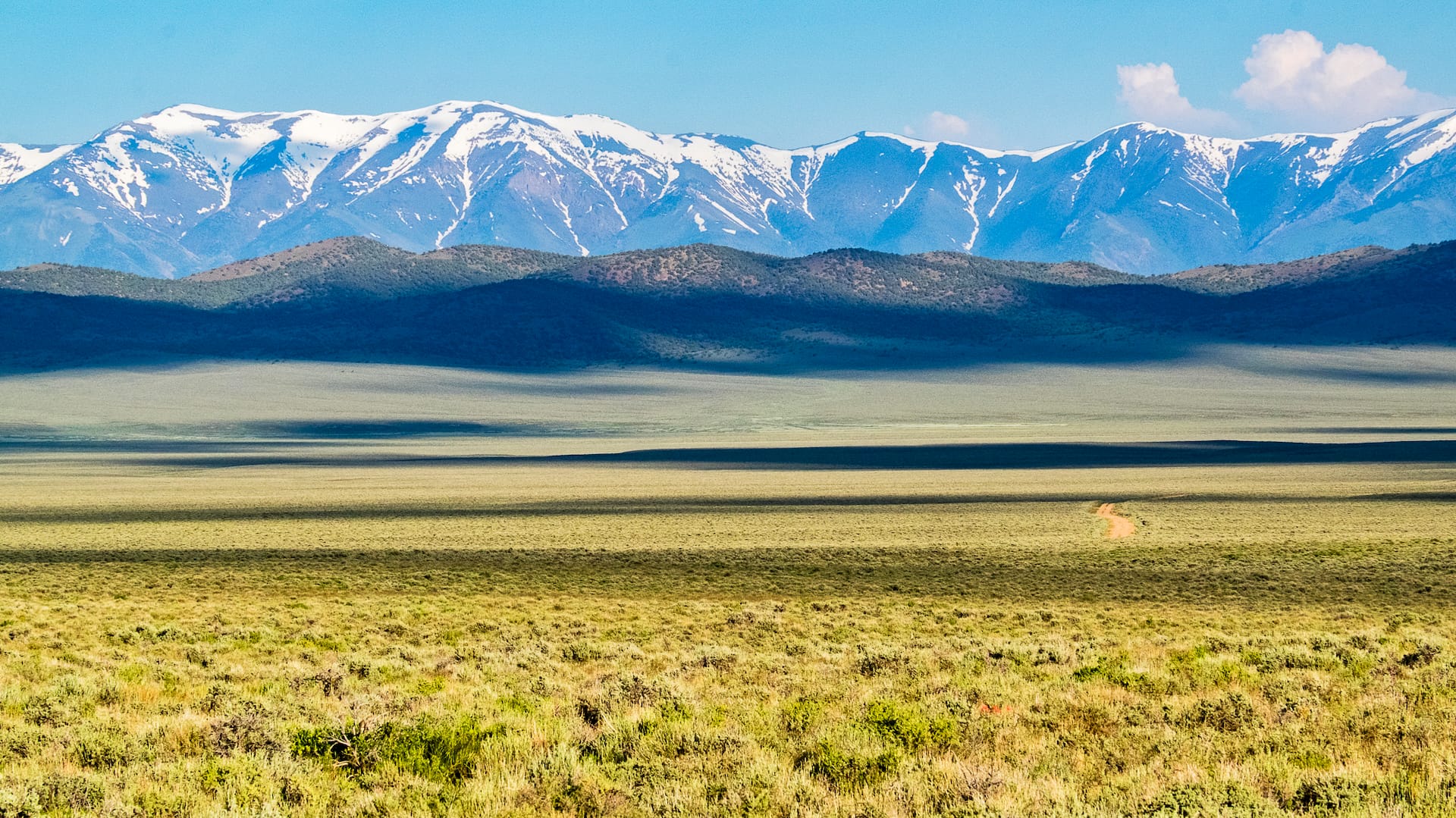
This book first came out in 1989 as part of a legendary series of books (all of which are excellent!) known as the Great Basin Natural History Series, published by the University of Nevada Press under the leadership of Rick Stetter.
Words fail me when I try to describe why The Sagebrush Ocean has had such an impact on me. There's just something extraordinary about the way this book feels relaxed and welcoming, poetic, intimate, and profoundly informative all at the same time. It's one of those very rare books that helps you fall in love both with a place and with your understanding of that place.
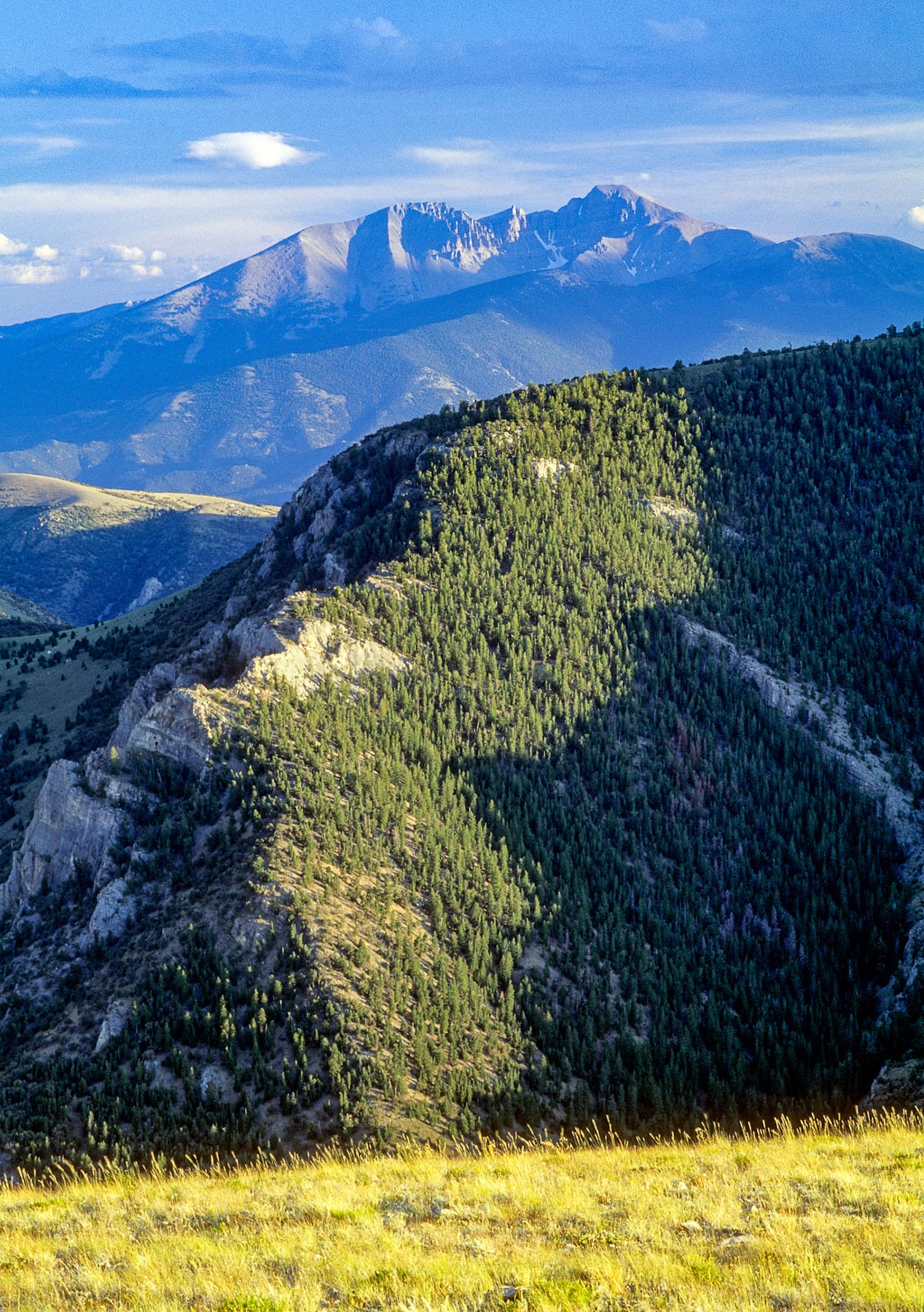
It doesn't hurt that the Great Basin Desert is my favorite place on Planet Earth, and apparently it's a place loved by many others as well. Last summer, I wrote a love letter for the Great Basin in one of my newsletters ("The Great Basin" June 5, 2025), and I was astounded by how many people commented and emailed me with their own personal stories and reflections.
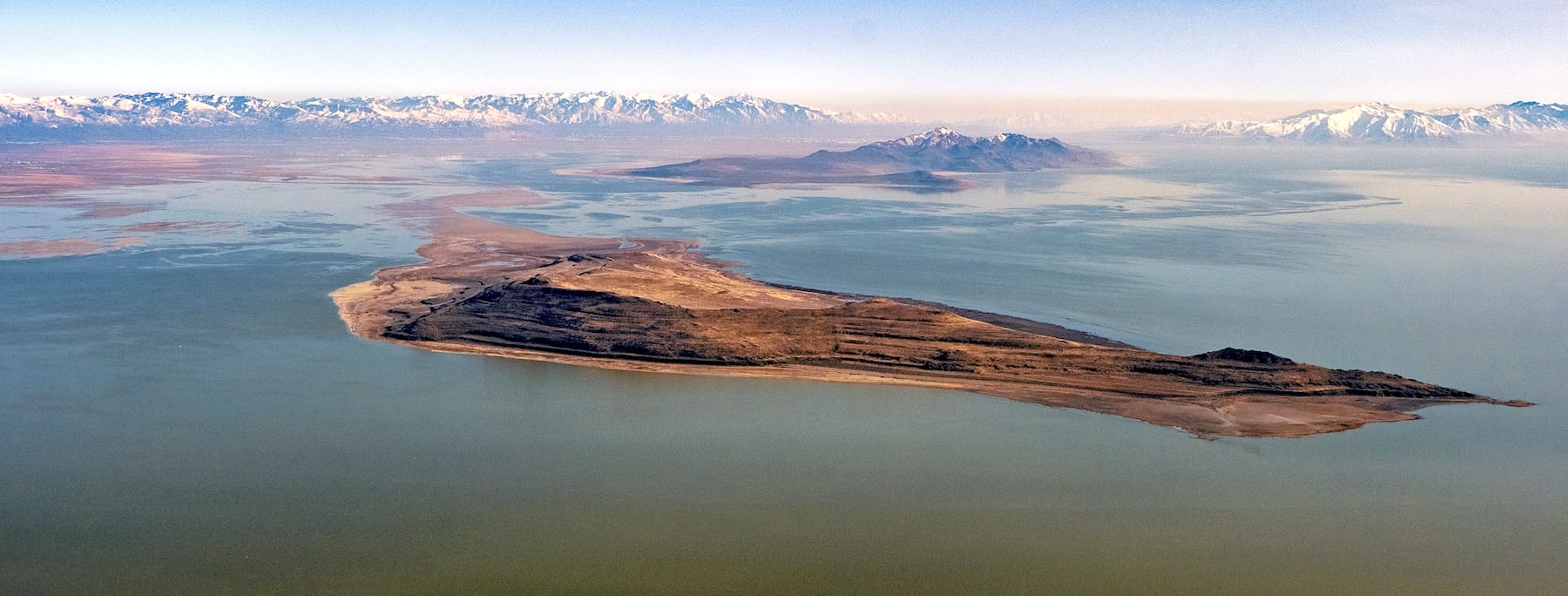
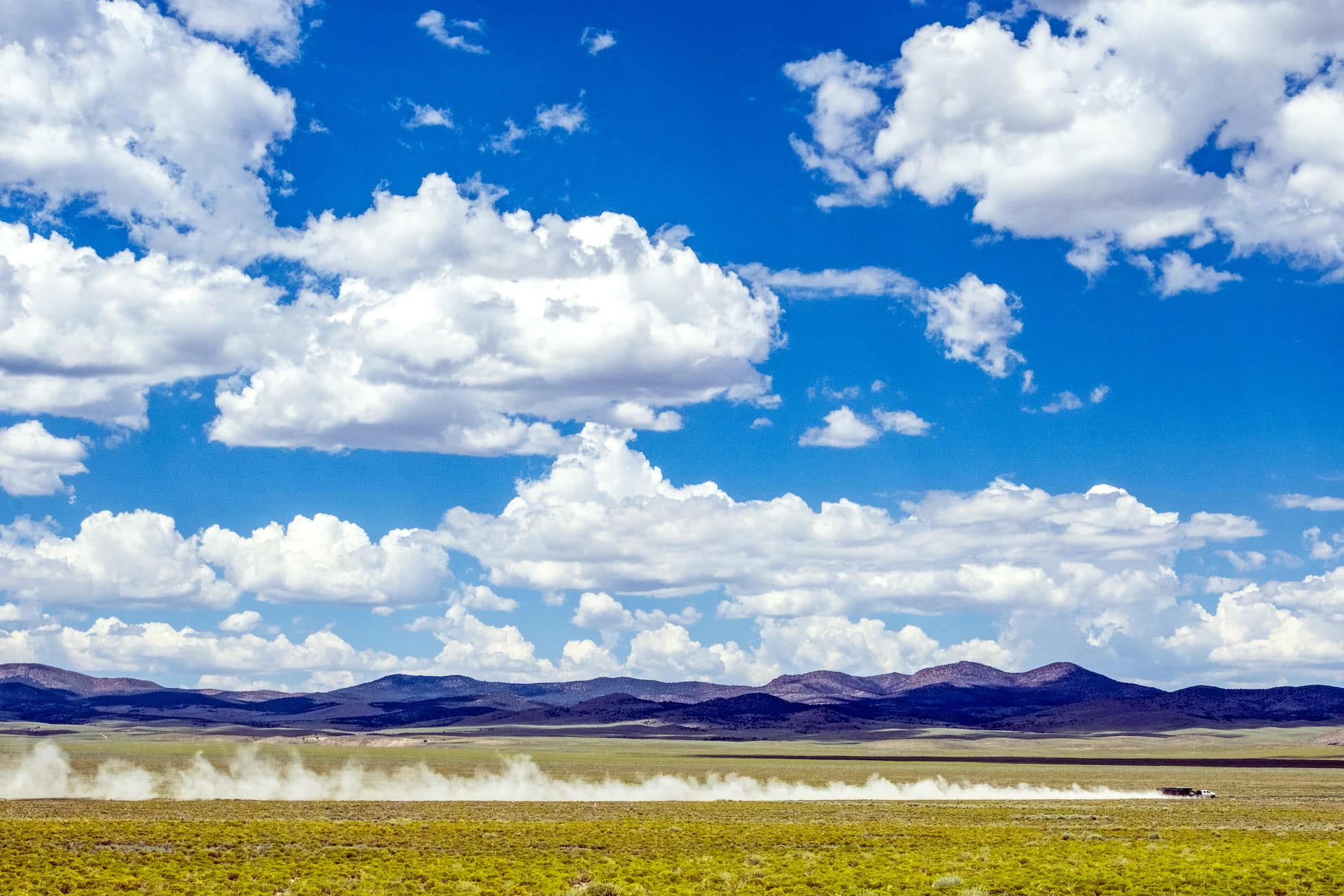
One of my favorite personal stories involves a time I drove across Nevada on Highway 50, "The Loneliest Highway in America." Somewhere along the desolate 100-mile stretch between Fallon and Austin, a police officer appeared out of nowhere and pulled me over for driving erratically. I pleaded that the wind must have been pushing my car around, but I didn't tell him that I was driving erratically because I was so enchanted by the landscape that I wasn't paying attention to the empty road. It's the only time in my life that I've been pulled over for loving a landscape!
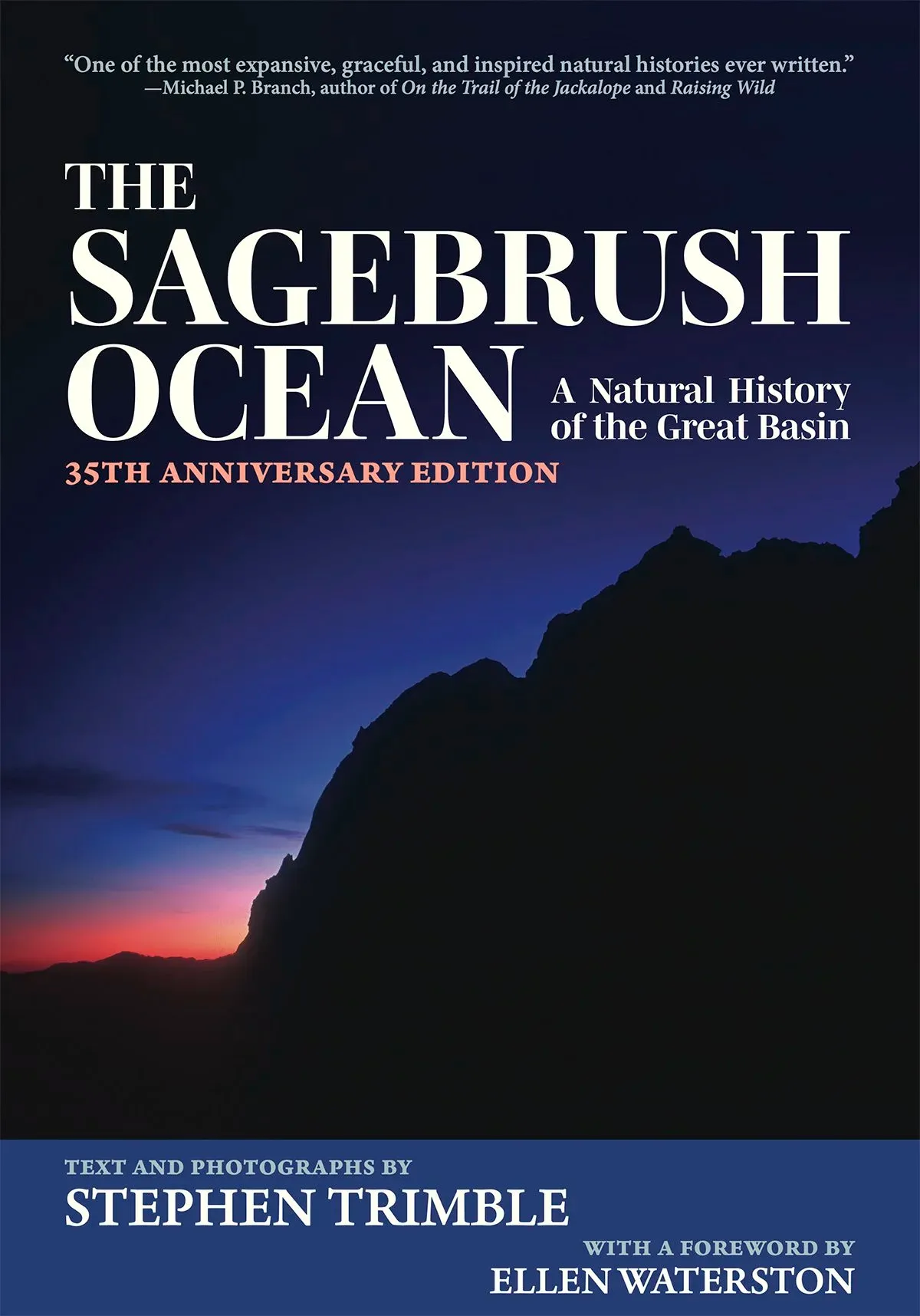
To my utter amazement and joy, I learned that Stephen Trimble has just published a 35th anniversary edition of The Sagebrush Ocean. This greatly expanded edition now includes 35 years of new research and insights into Great Basin natural history, along with even more of Trimble's brilliant photographs.
You might think that a vast and empty landscape like this doesn't change much, but the Great Basin has actually become one of North America's most endangered landscapes, and the list of changes that have occurred over the past 35 years is a sobering wake-up call for all of us. For example, 99% of the Great Basin's sagebrush-grass communities have been negatively impacted by livestock grazing, and invasive cheatgrass now covers so much of the Great Basin that some people call it "The Cheatgrass Sea" rather than "The Sagebrush Ocean."
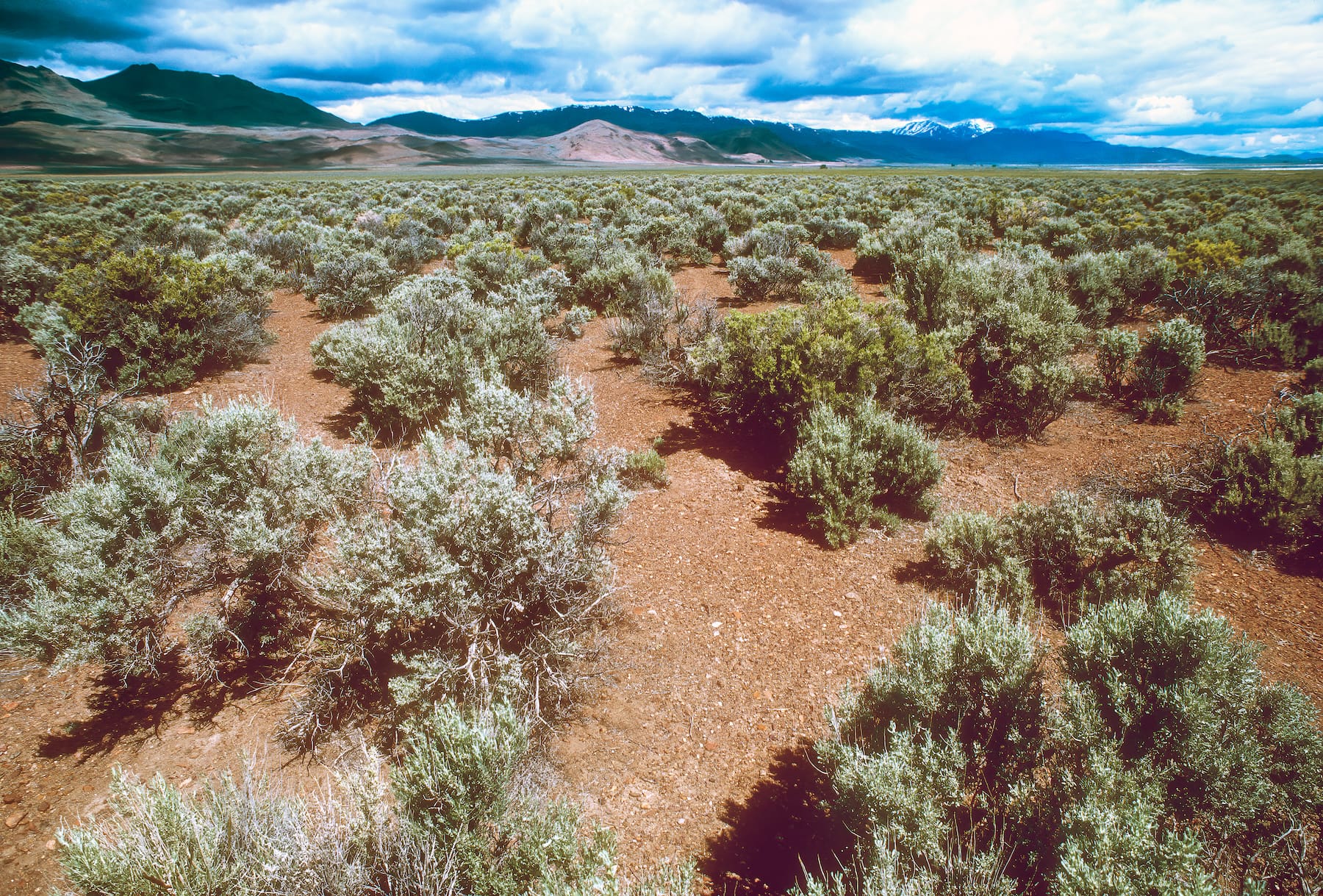
Of the 350 species that rely on sagebrush, over 200 species are species of special concern, and Nevada is now ranked #3 in the nation as the state most at risk of losing its biodiversity. Shockingly, over half of the Great Basin's sagebrush communities have been lost since the first edition of The Sagebrush Ocean was published, with mines, data centers, and solar farms now posing new threats to these habitats. In fact, one of the largest pockets of intact sagebrush is being threatened by a massive lithium mine proposed in Oregon's fabulous McDermitt Crater.
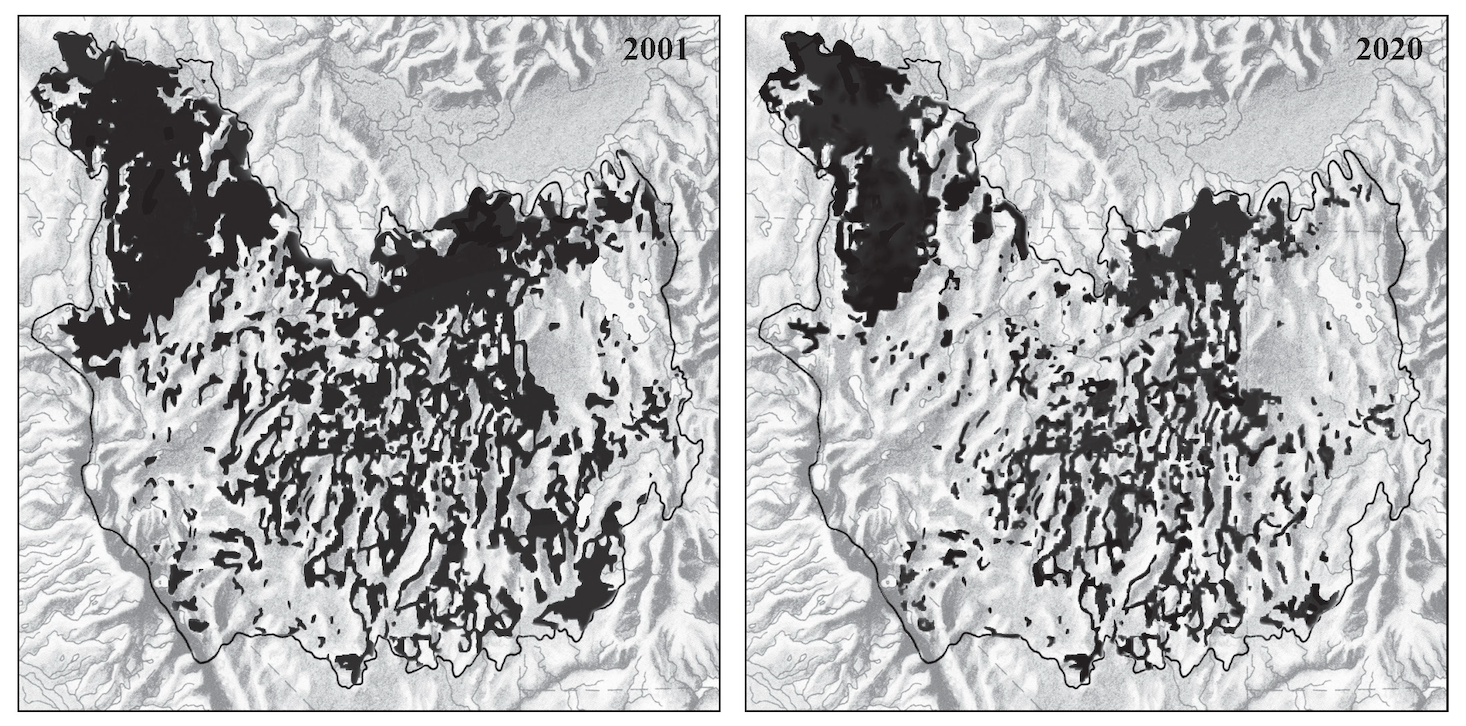
And still, the Great Basin remains a precious place worth noticing, exploring, protecting, and falling in love with. It is one of the only places in the United States where you can go days without seeing anyone, and where you can find countless hidden oases that feel as if you're the first visitor ever. The Great Basin may seem like a forbidding and unwelcoming landscape as you zoom by on a highway, but turn up a side road, wander around for a bit and let this astonishing place fill you with love.
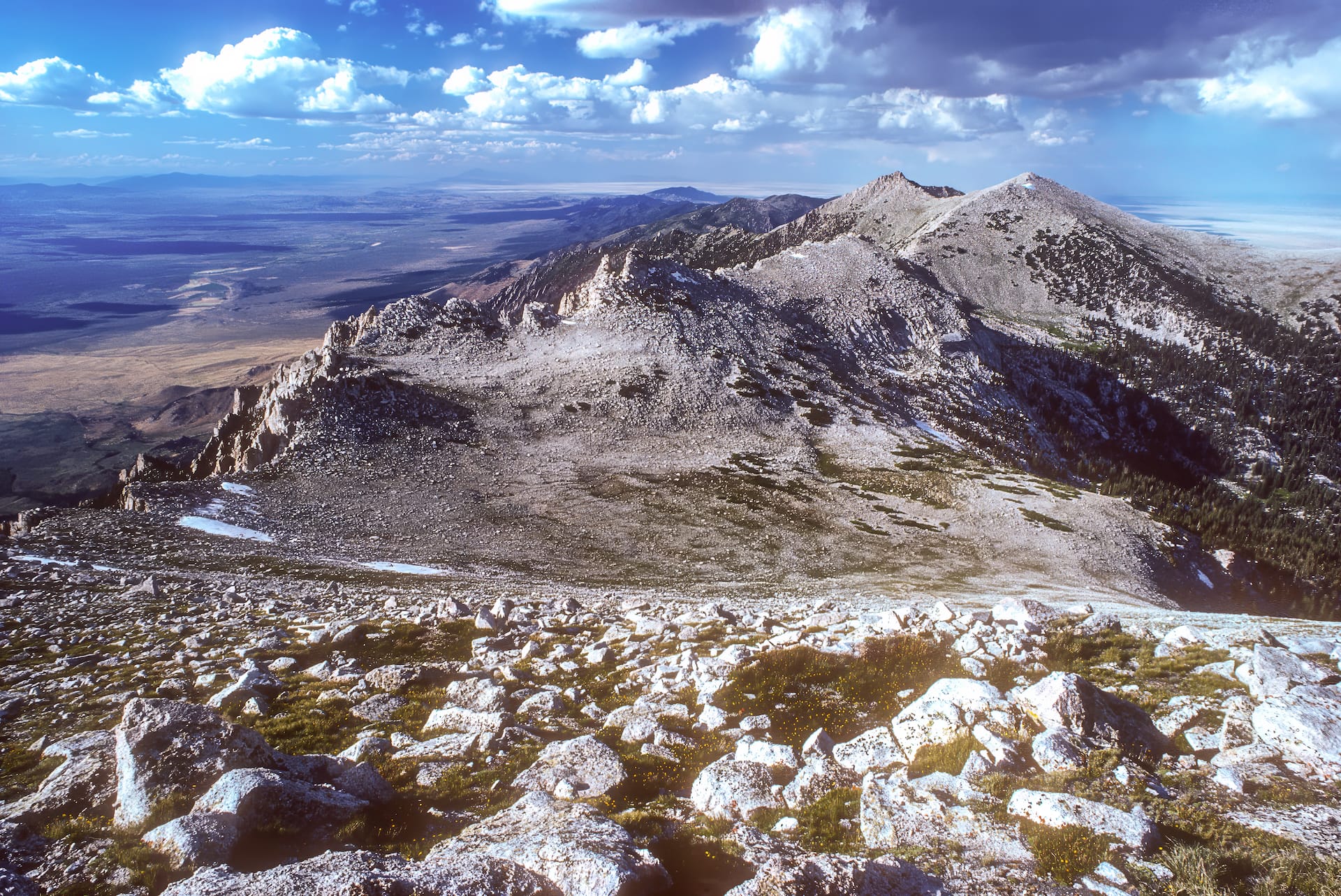
“I savor this precious quiet in a noisy world. I listen next for what fills the stillness—the sounds of coyote, kestrel, cicada, poorwill, and raucous bands of pinyon jays. Shimmering aspen leaves, spears of wildrye, brushes of juniper needles, and sprays of Indian ricegrass—all speak in the wind.”
It was a tremendous honor and pleasure to interview Stephen in preparation for writing today's newsletter! He is a legend, and his books have been a significant part of my life as a writer and naturalist.

Member discussion