Flies are Cool!
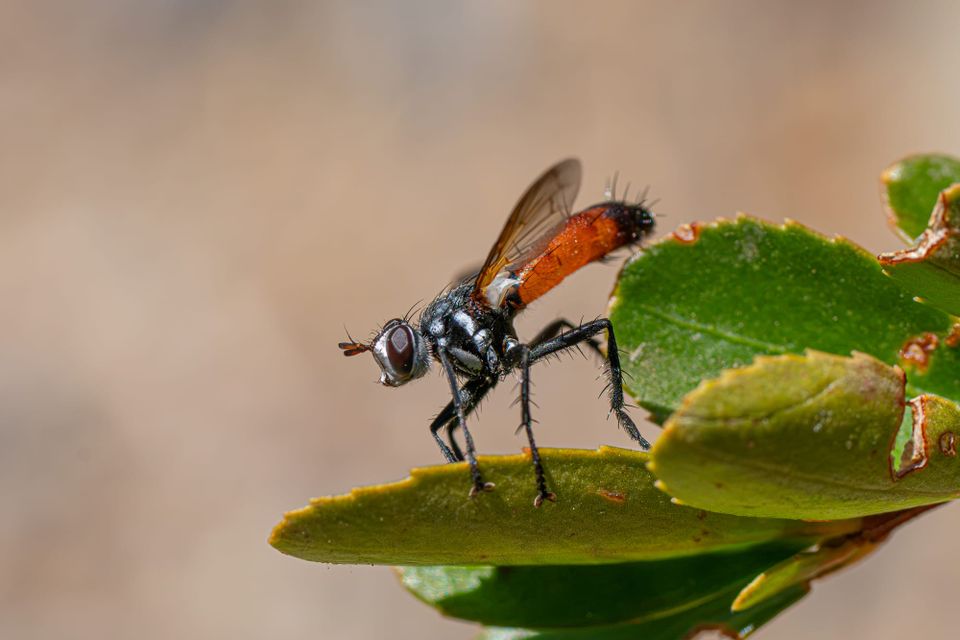
When we think of flies, we immediately imagine those annoying insects buzzing around our houses and picnics, as if “flies” were a singular animal. In fact, flies are among the most diverse and fascinating animals on the planet, and I’m absolutely obsessed with them.

So, why are flies cool?! Let me first admit that invasive, nonnative flies repulse me. These invasive flies are one of the very few animals that I feel strongly about, and I can't tolerate having them land on my food or buzz around my house.
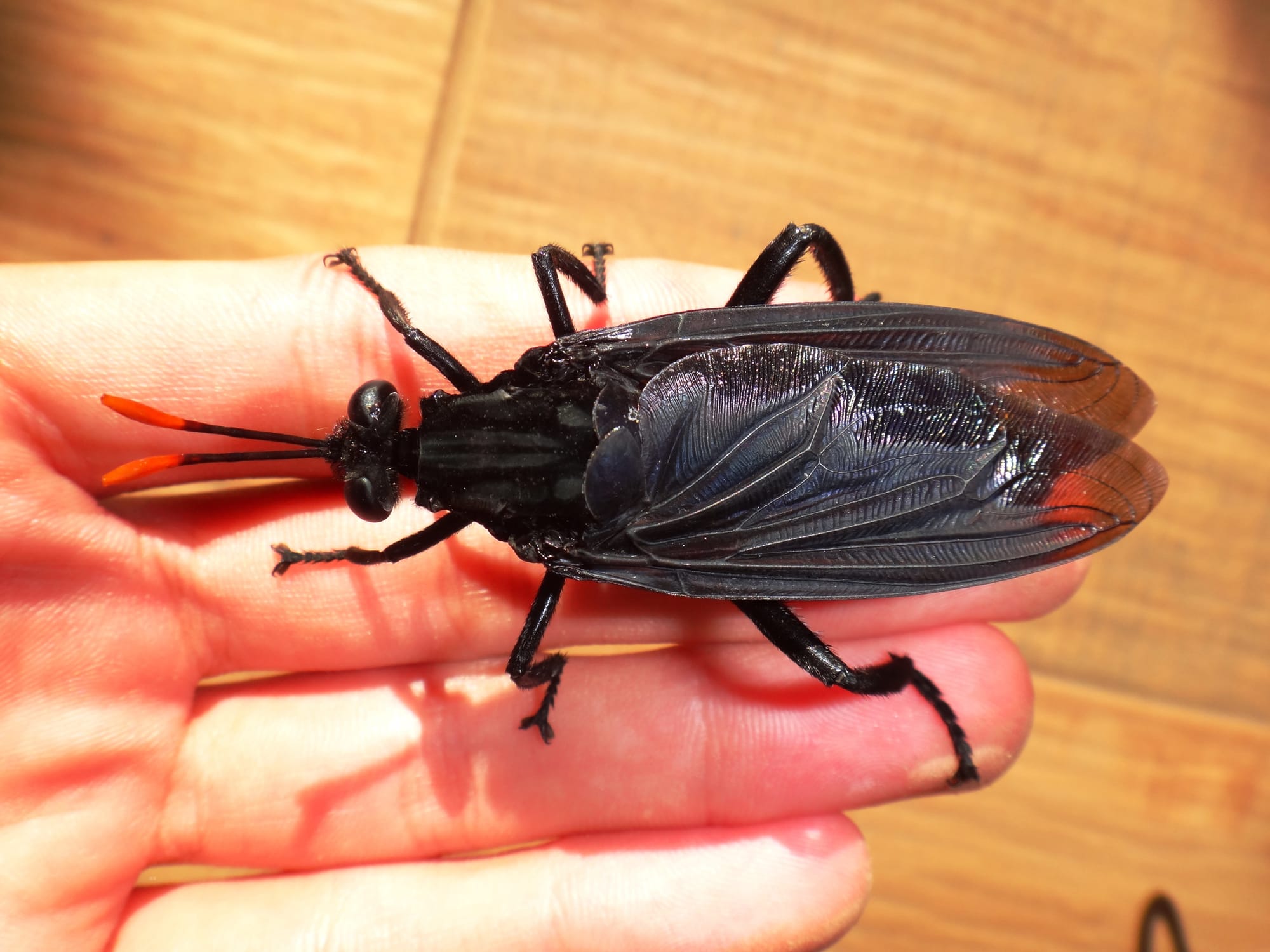
But native flies are an entirely different story. They are beautiful, unique creatures, and if I find a native fly trapped in the house, I go out of my way to carefully move it outside because these flies need all the help they can get.
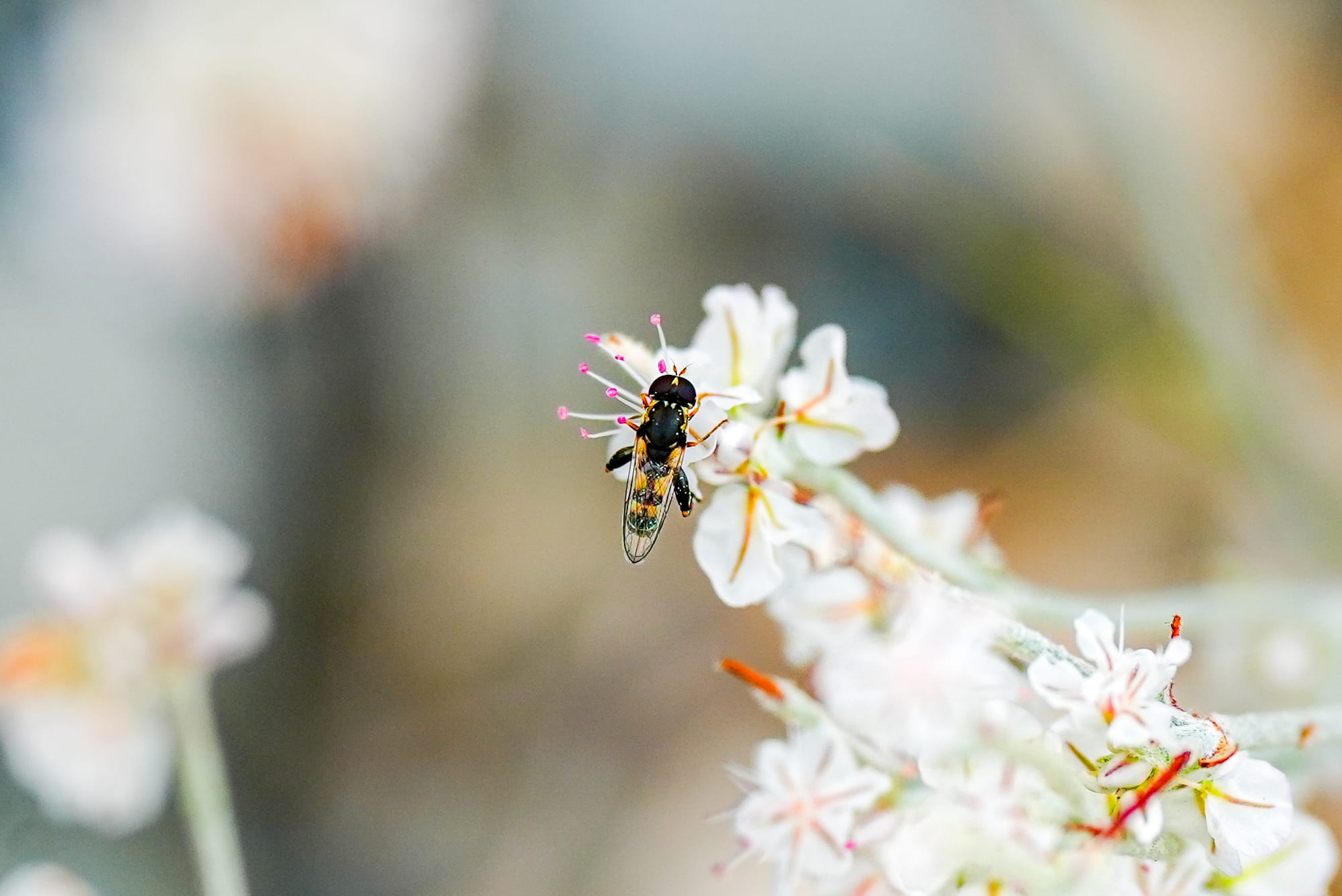
In particular, native flies get my attention because I spend a lot of time studying and photographing flowers, and native flies are incredibly important pollinators.
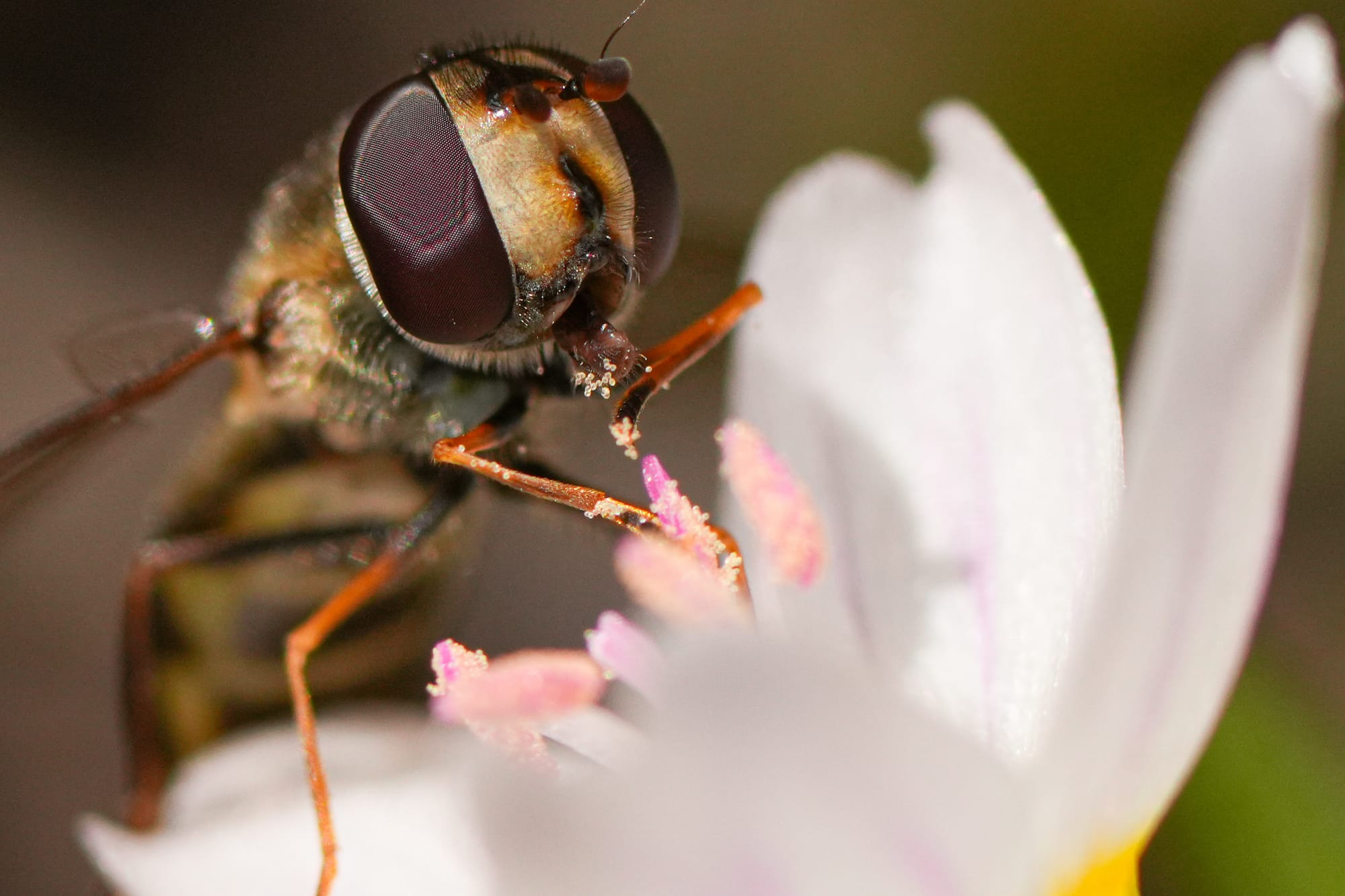
In fact, it's mind-boggling how many flies you start seeing when you pay attention to flowers, and it's worth slowing down to observe these flies in more detail.
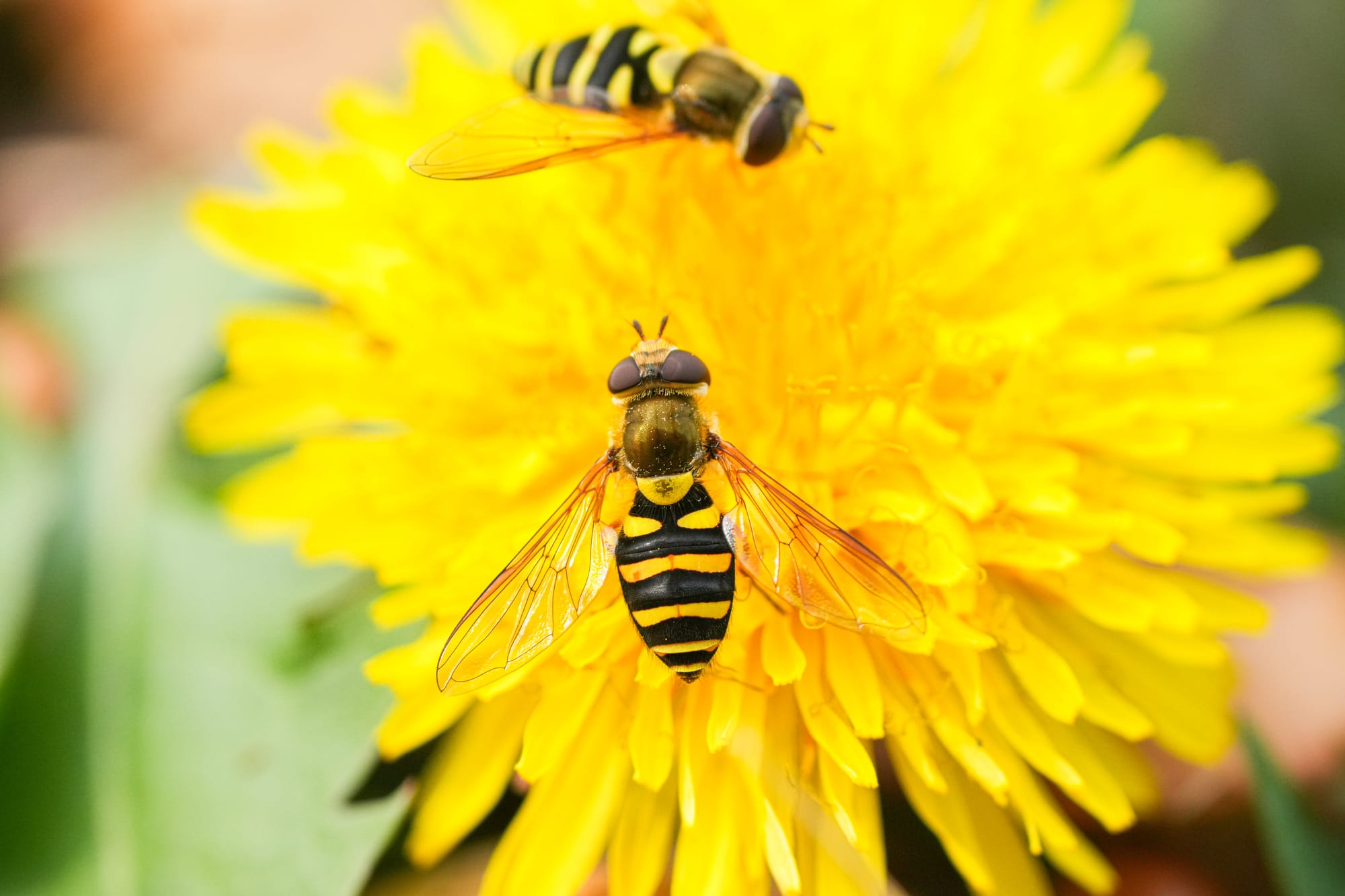
What makes flies so special? First of all, there are about 150,000 described species, and there could easily be at least a million more undiscovered species, potentially making them the most species-rich group of animals in the world.
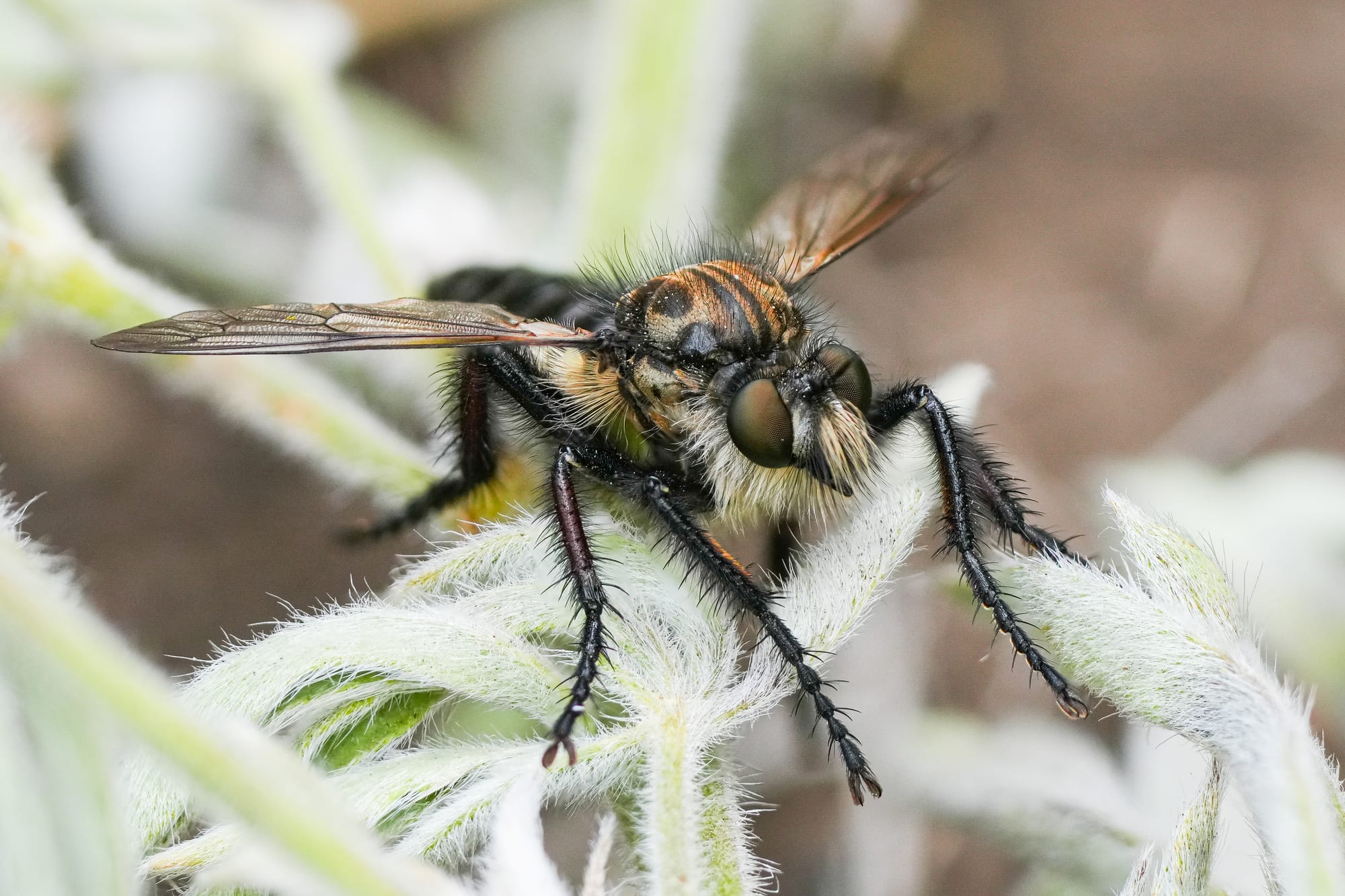
Flies have been around for 240 million years, and have evolved into the most ecologically diverse group of insects with species that are bloodsuckers, gall makers, miners, wood-borers, pollinators, parasites, herbivores, scavengers, predators, and much more.
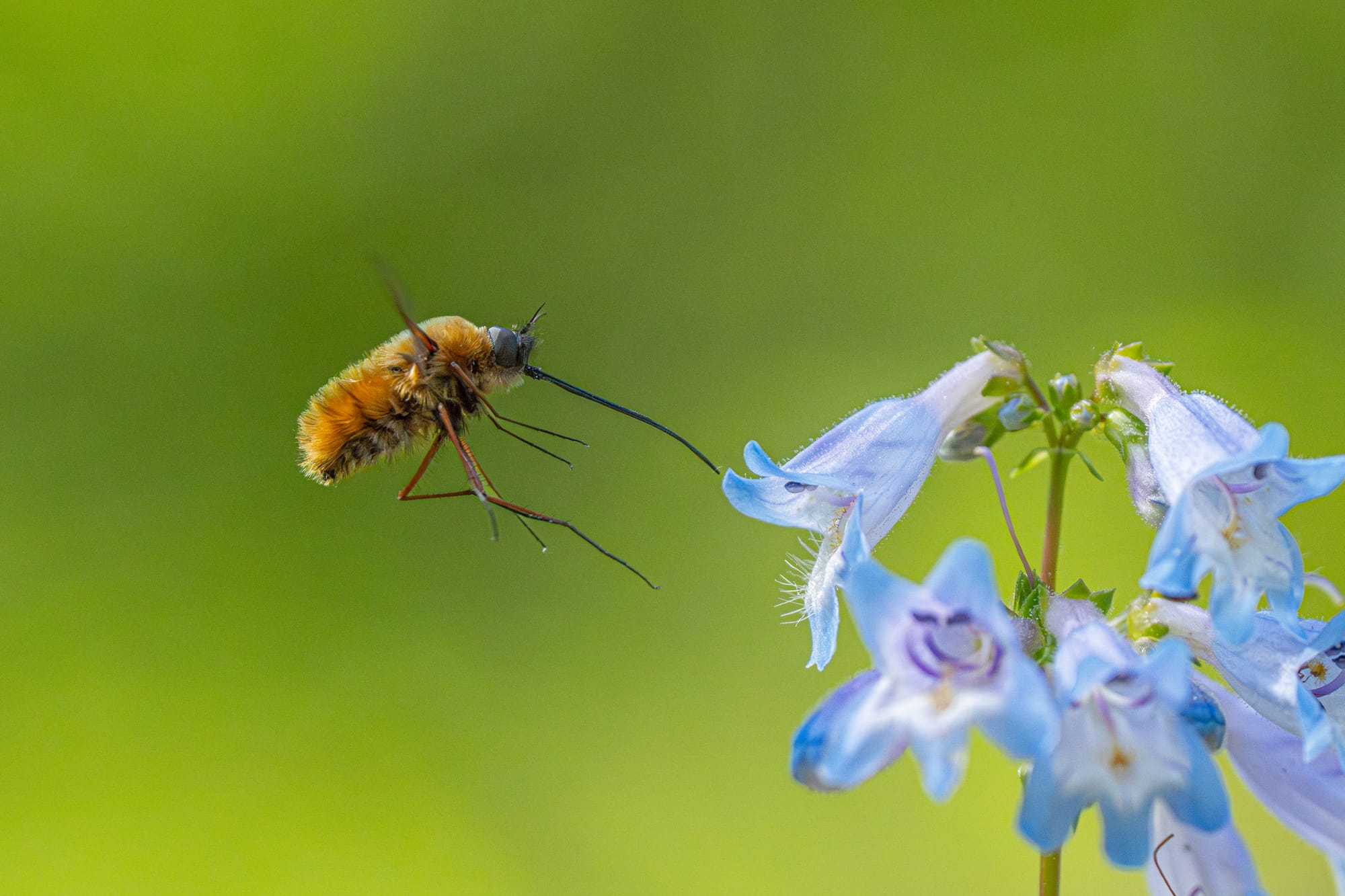
In addition to being among the most important pollinators, insects play a critical role by eating and helping recycle decaying matter. In fact, without flies the world would be a far messier and smellier place.
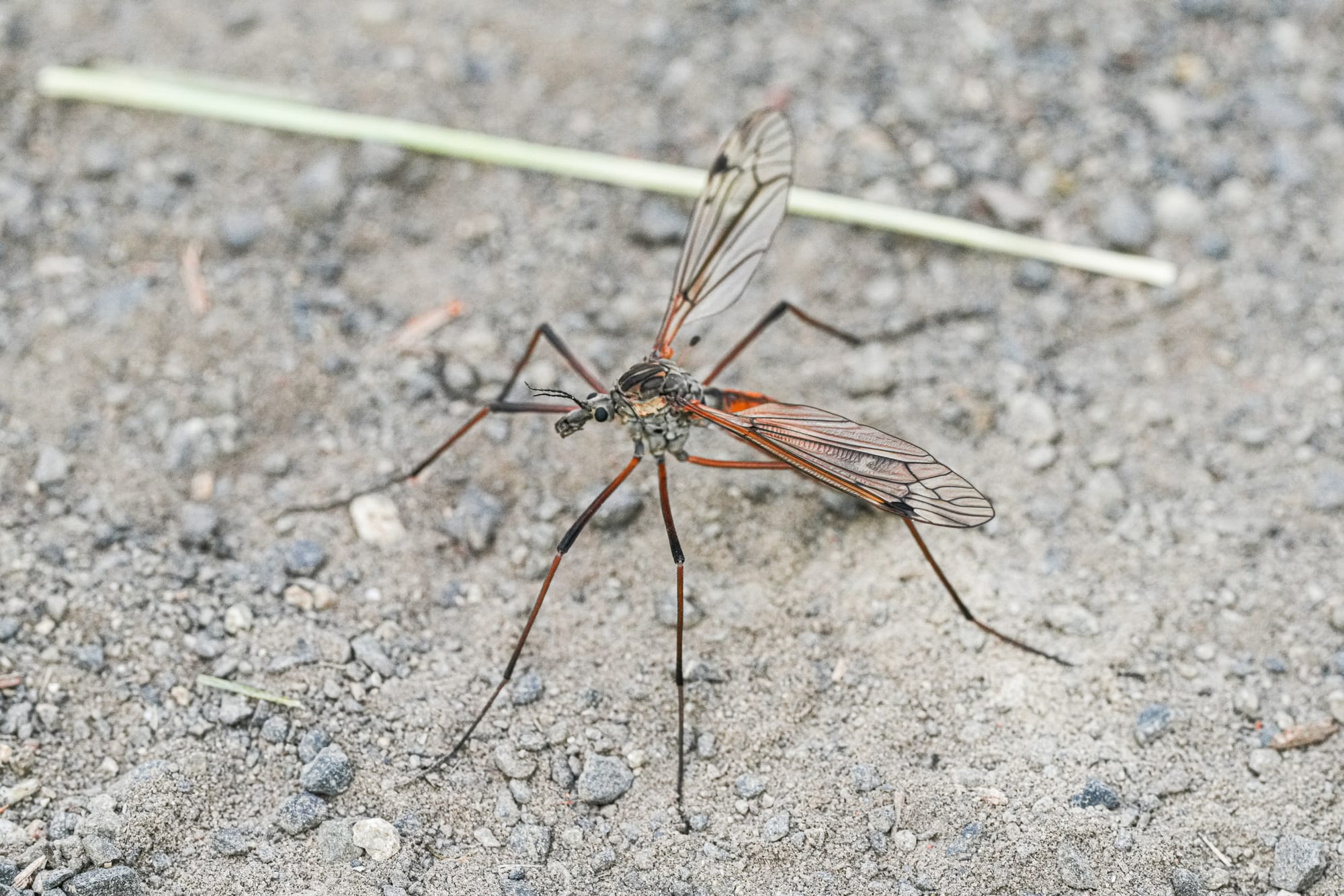
Flies are also so hyperabundant that they end up being a critical source of food for countless other animals. The most widely cited estimate is that if a single pair of fruit flies and all of their babies survived and continued breeding for a year, they would produce a ball of flies stretching from the earth to the sun (96 million miles!). Obviously, there aren't that many flies on earth because nearly all of them are eaten and keep other animals alive.
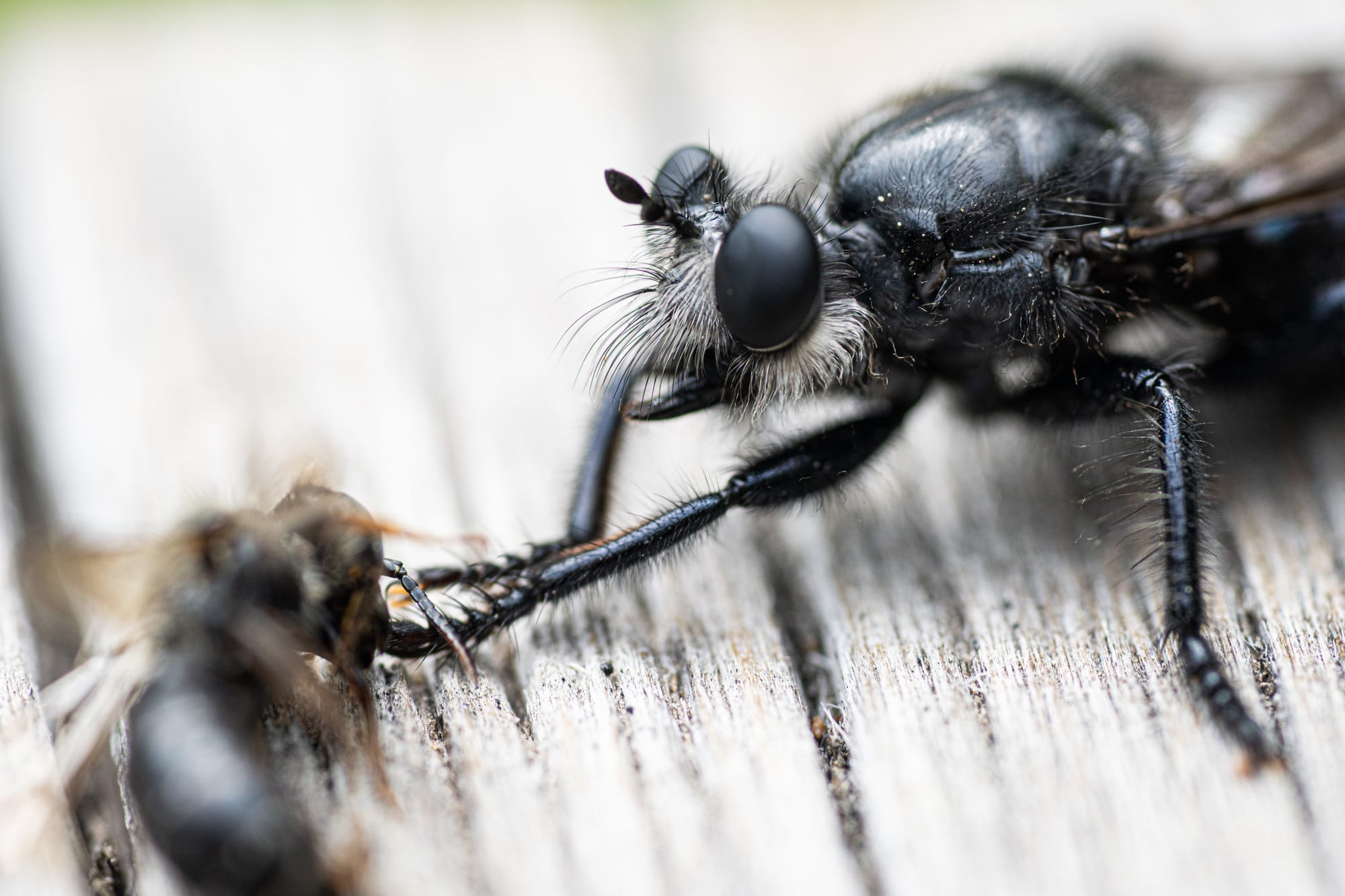
Alongside these academic reasons to appreciate flies, I love flies simply because they are beautiful and cool. Consider, for example, that flies are unique in having a pair of wings that have been reduced to club-like gyroscopes called 'halteres' that swing back and forth so that flies can turn and maneuver with incredible agility in flight.
Slow-motion footage showing how the halteres of flies act like gyroscopes.
Or consider that flies are one of the few insects that taste with their feet, allowing them to taste their food simply by landing on it or walking across it. In fact, some flies can also taste foods with the margins of their wings!
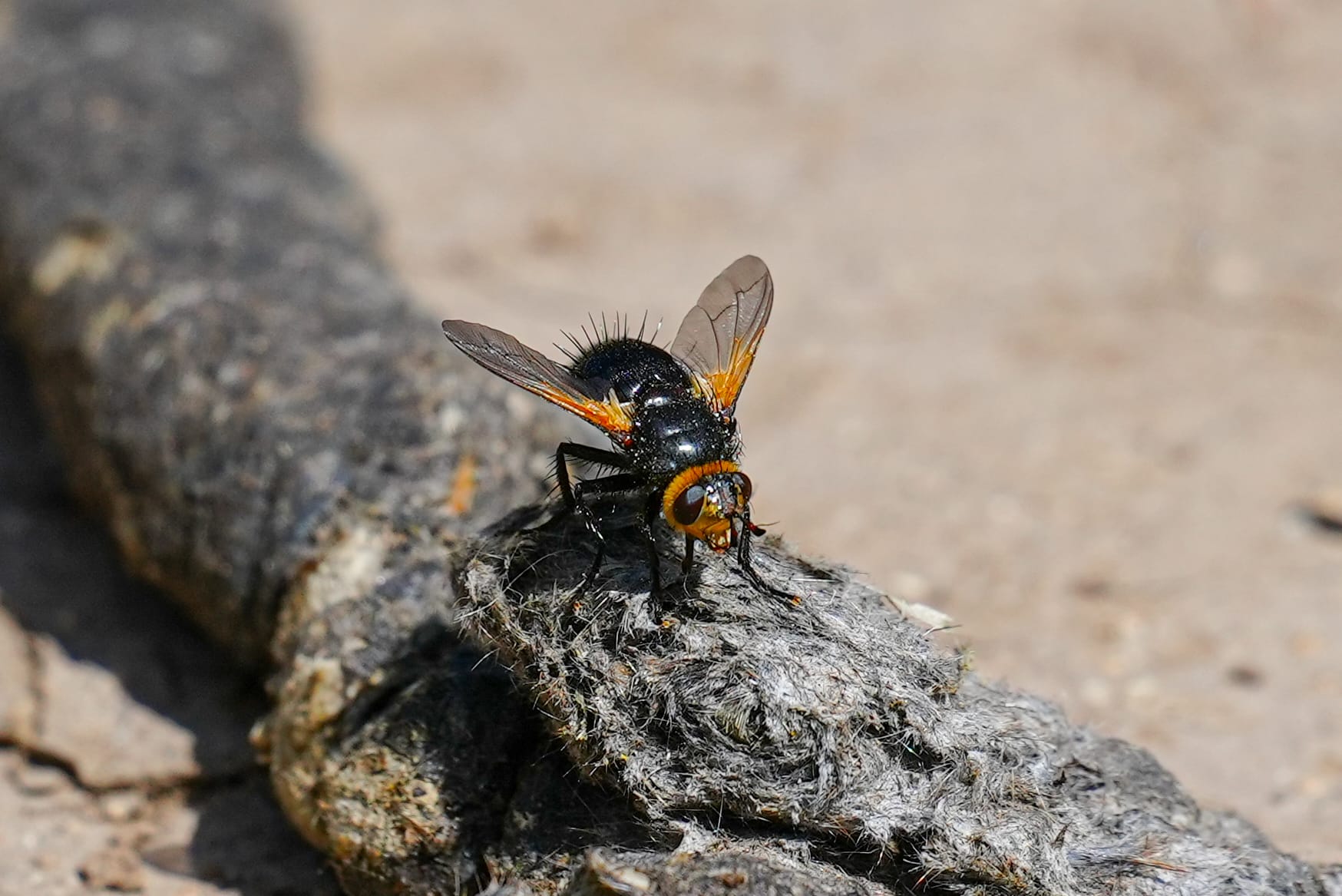
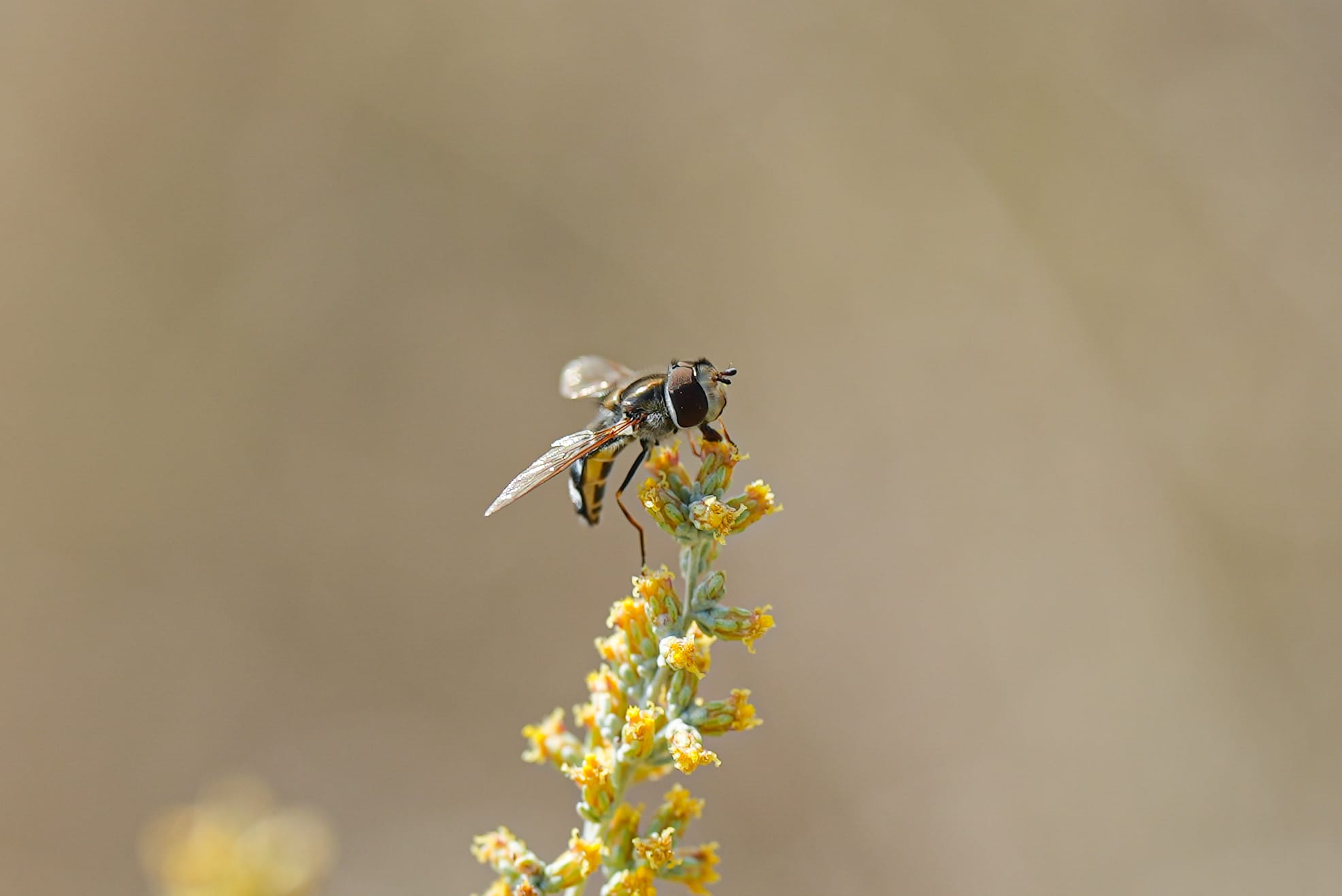
But beautiful?! I realize that beauty is in the eye of the beholder, so I'll let you look at the pictures in today's newsletter and decide for yourself. If you find yourself feeling squeamish, please take a deep breath. Linger on the details and take a moment to admire the colors and forms of these marvelous critters. This is just one tiny peek into their world.
Further reading:
I am so fascinated by flies that I've written more newsletters about flies more than any other animal. Check out these past issues of the newsletter for more amazing stories about flies.
 David Lukas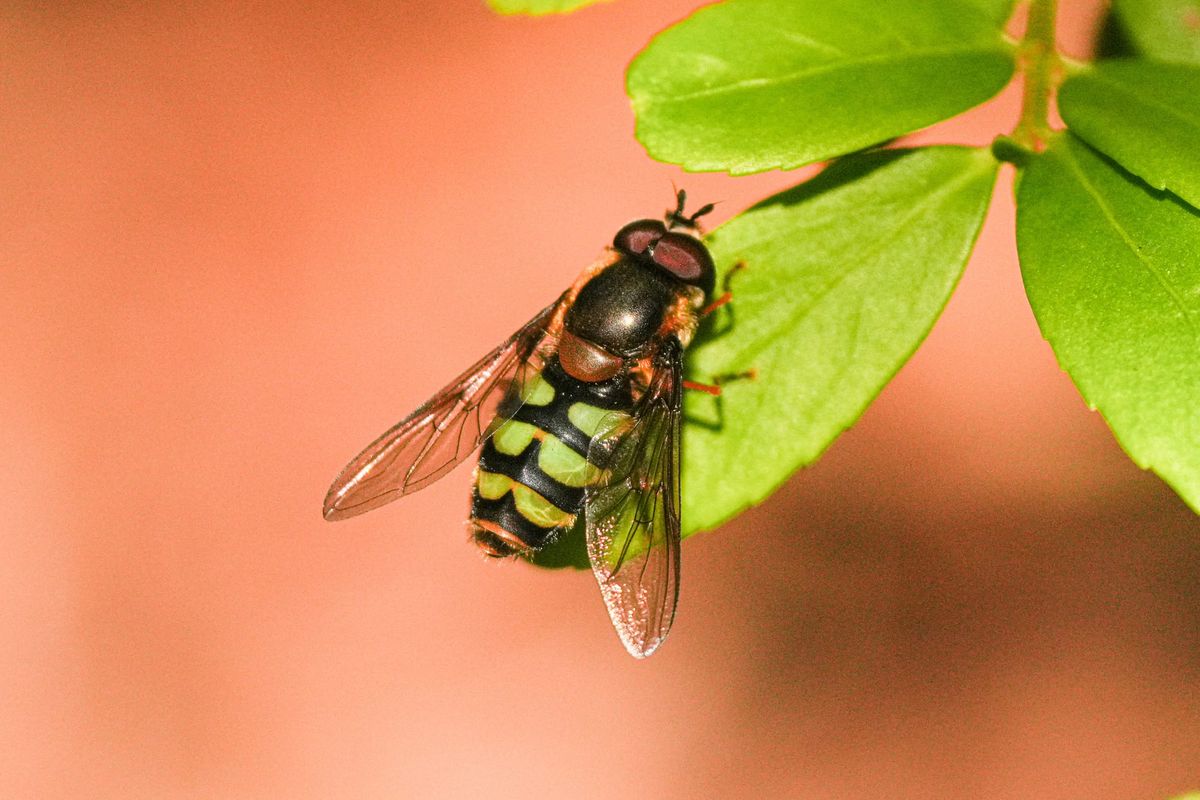
 David Lukas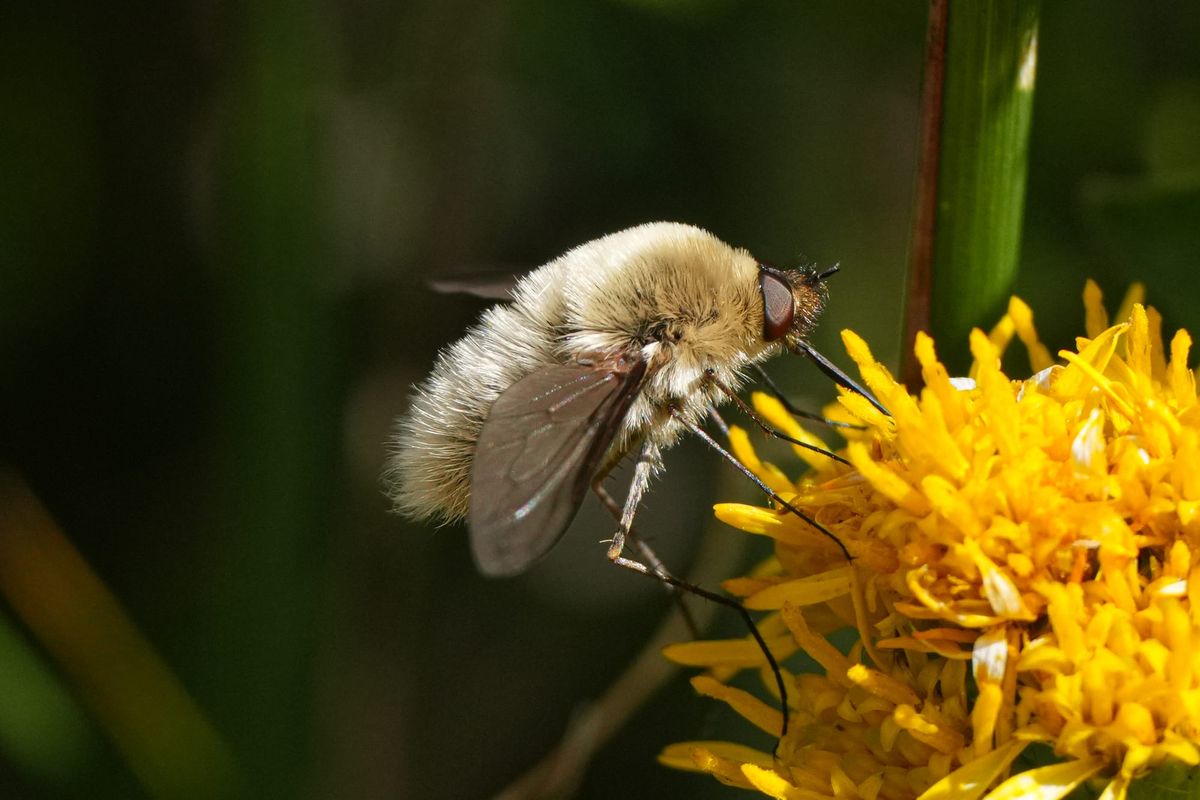
 David Lukas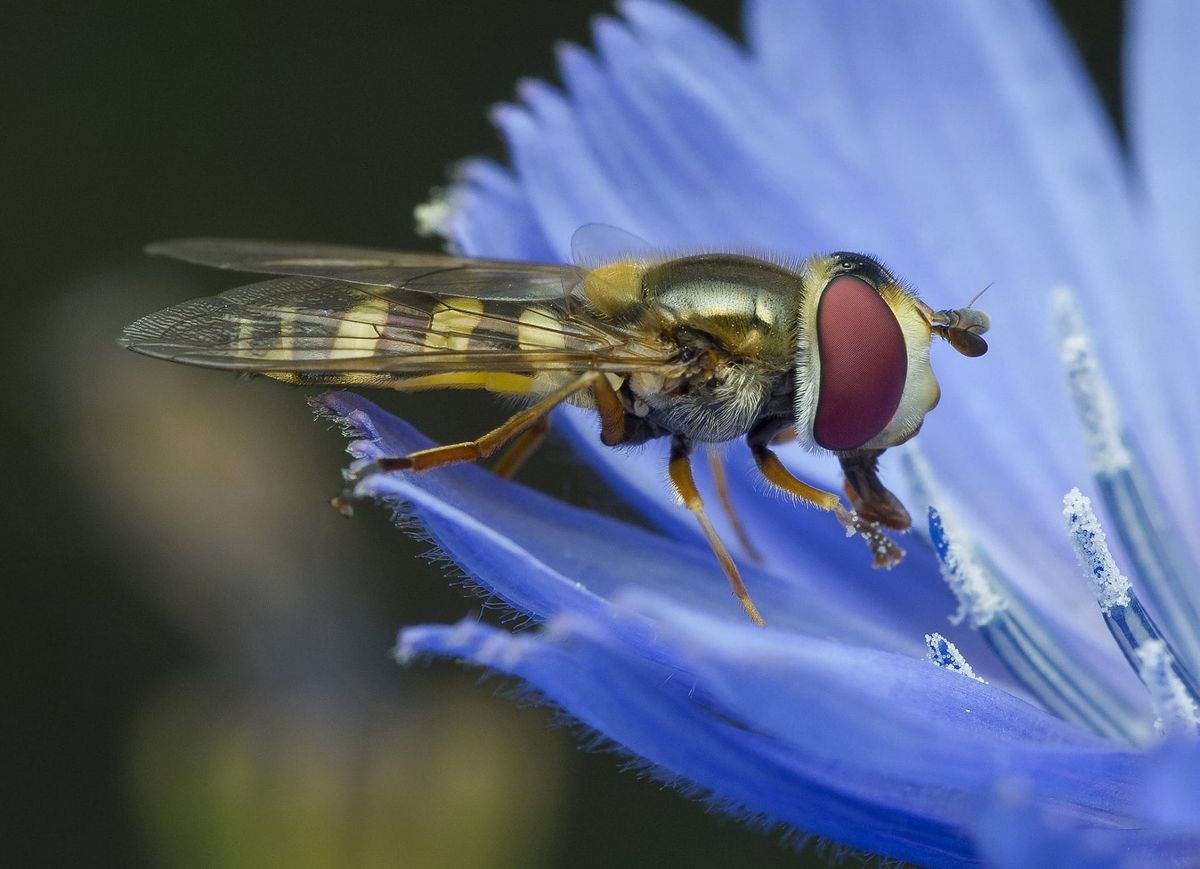

Member discussion