Butterfly Eruptions
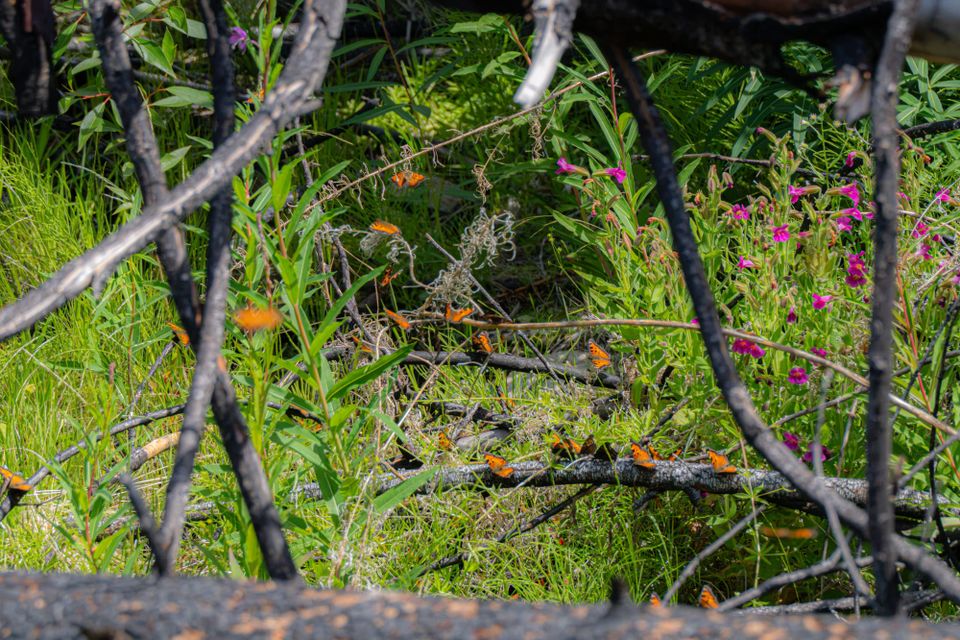
If you've ever found yourself surrounded by a river of butterflies, you might be wondering what's going on!
I recently experienced a remarkable natural phenomenon known as a butterfly irruption, and I thought it would be a great topic for the newsletter. Much to my surprise, despite over a hundred years of people noticing and commenting on these spectacles, very little is known about the factors that drive these events.
Yes, I realize that the proper technical term is "irruption," but I used "eruption" in the heading because it's an easier way to visualize the energy of what I'm writing about. And if you research this phenomenon, you'll see that both spellings are commonly used.
In brief, an irruption is a massive, synchronized "explosion" in the numbers of animals who then travel long distances. Irruptions are like migrations, except that rather than happening every year in a predictable pattern, irruptions are episodic and not coordinated in any obvious way.
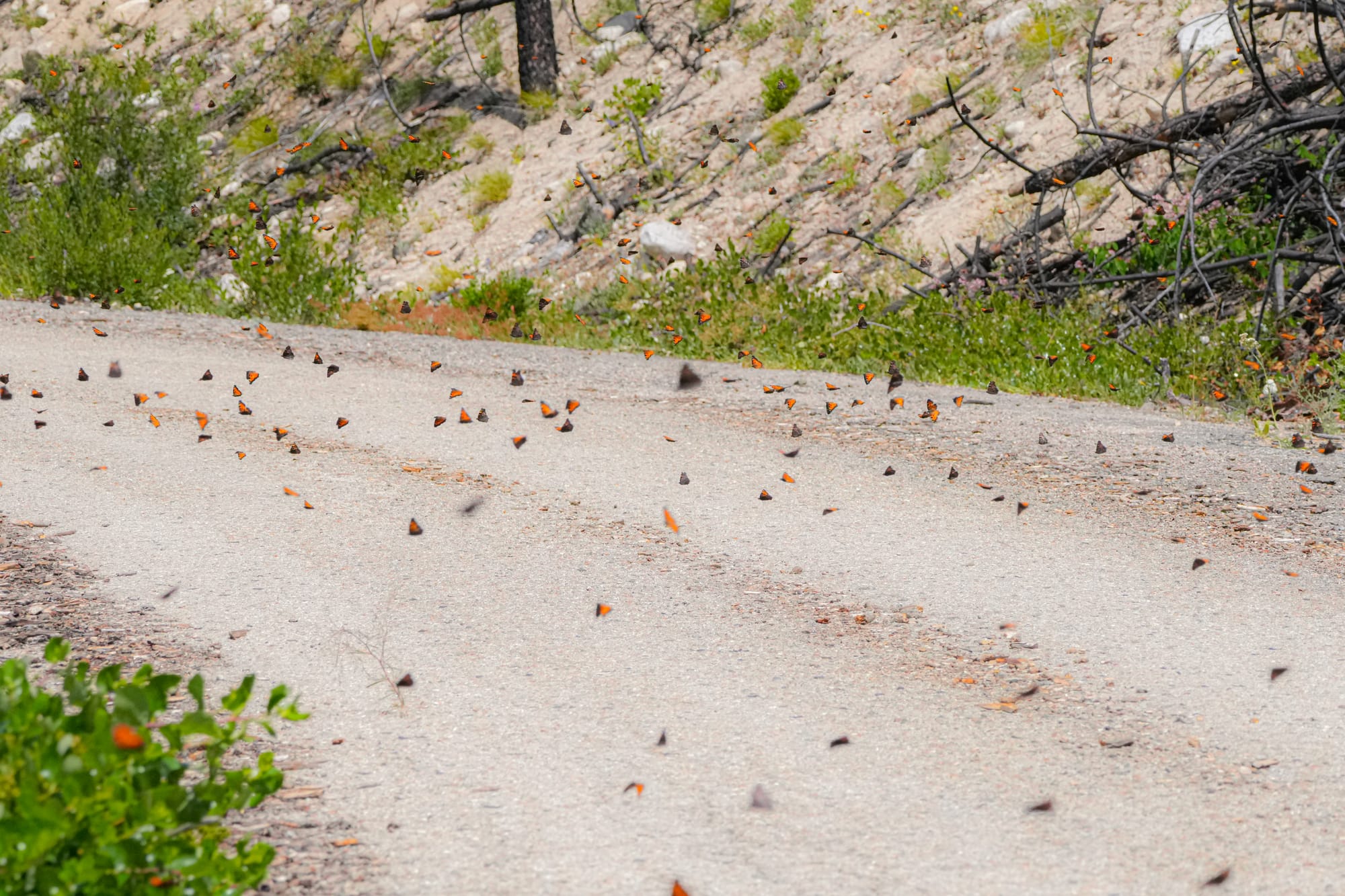
Irruptions may be found in a wide variety of animal groups, with one well-known example being when large numbers of snowy owls show up across the northern United States some winters.
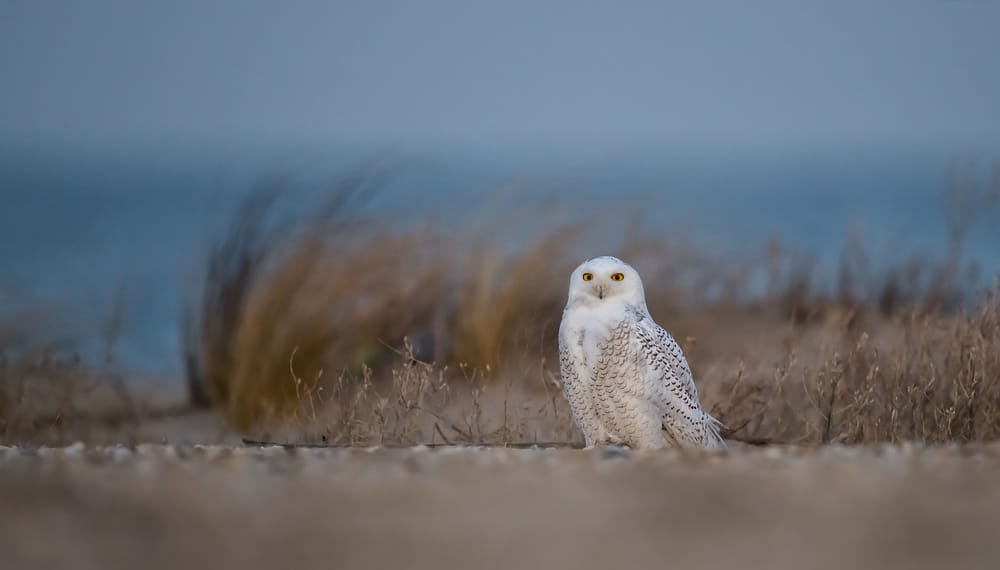
You're probably familiar with the annual migrations of monarch butterflies, but maybe you've been lucky enough to witness a butterfly irruption, which happens on a scale that is almost impossible to comprehend.
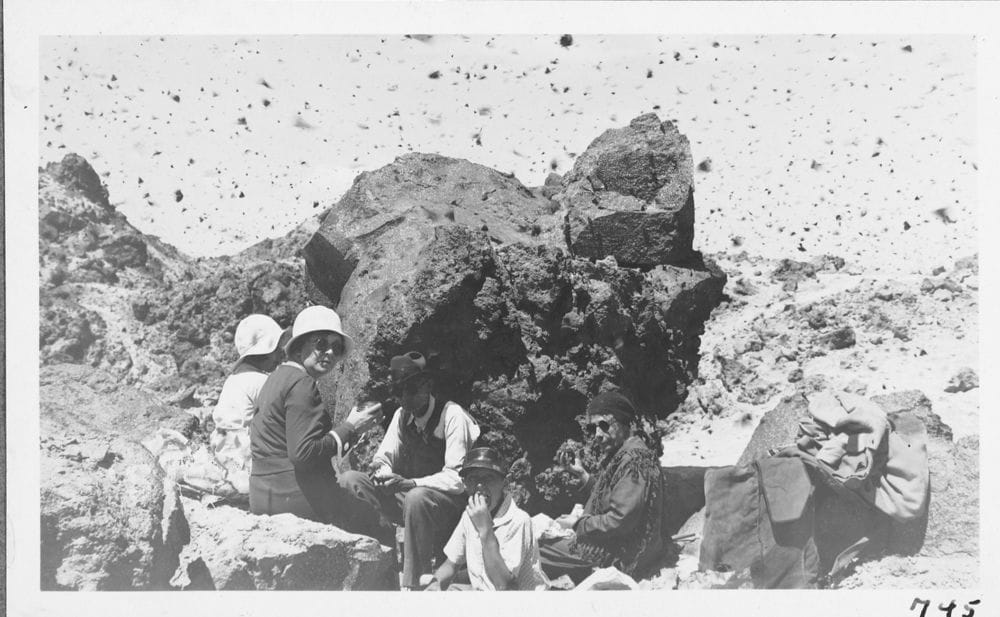
For example, a snout butterfly irruption in 1921 included an estimated one million butterflies per minute flying across a 250-mile-wide front in Texas. And there are stories of painted lady butterfly irruptions so vast that they stopped traffic and turned roads into skating rinks from all the crushed bodies.
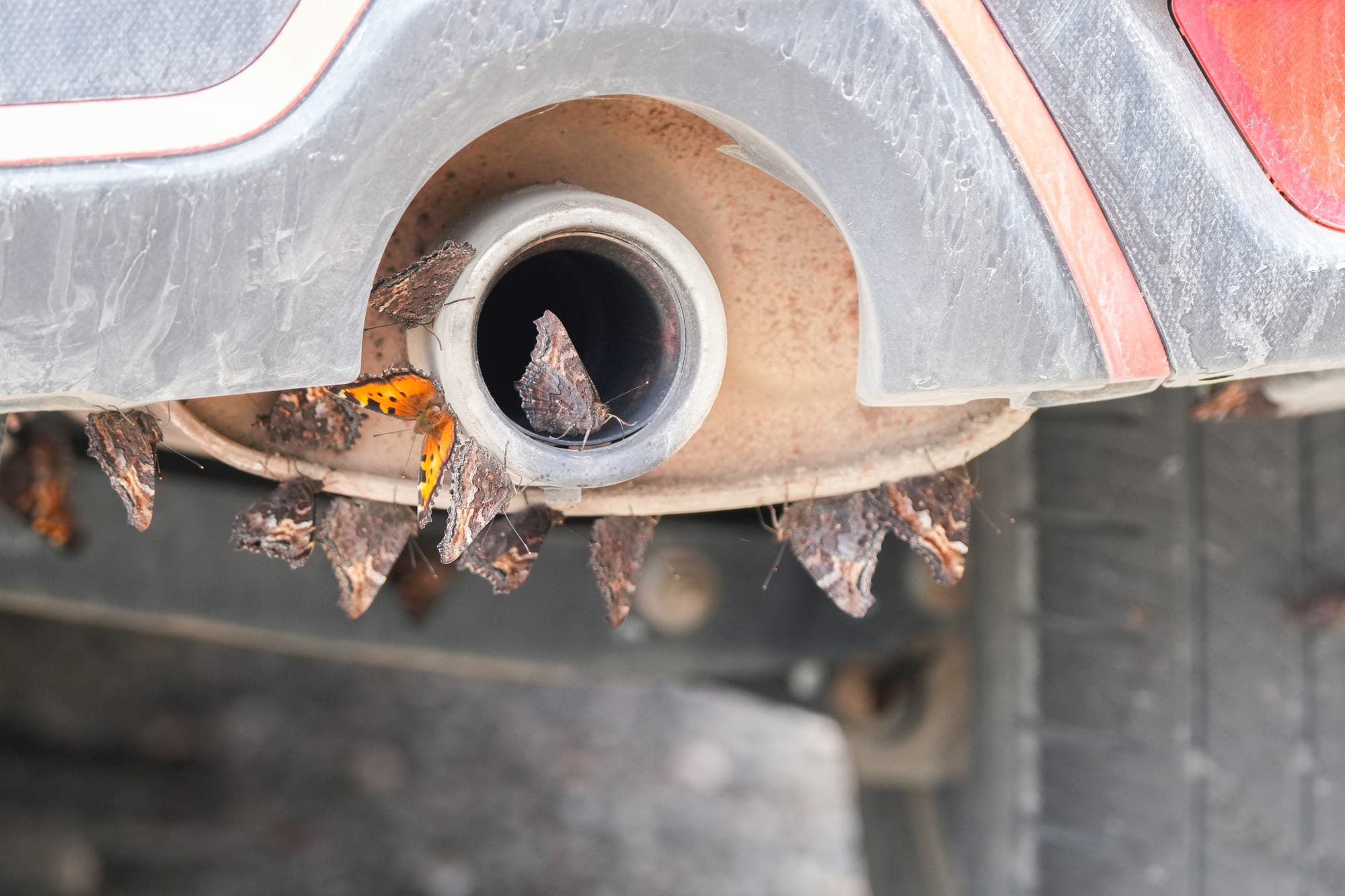
Many of my readers had a chance to witness the mass irruption of California tortoiseshells that occurred in the Santa Cruz Mountains south of San Francisco this spring, and just a few days ago, I got to experience an irruption of tens of millions of tortoiseshells where I live in north-central Washington.
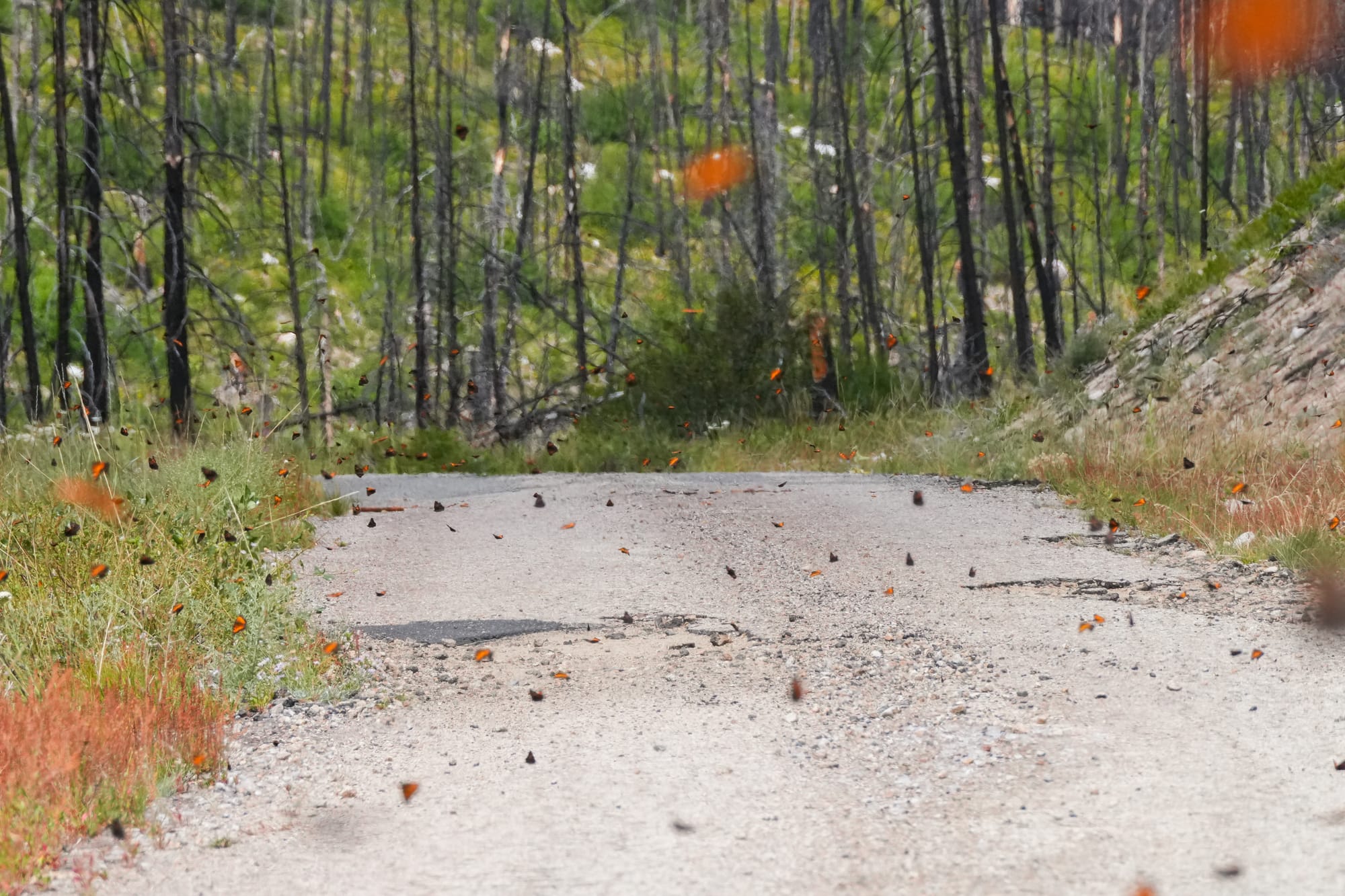
What's incredible is that these spectacles are so poorly understood. While researchers have tracked monarch migrations using tiny radiotransmitters, it doesn't look like anyone has put transmitters on irrupting butterflies to figure out where they're going, so we can only guess.
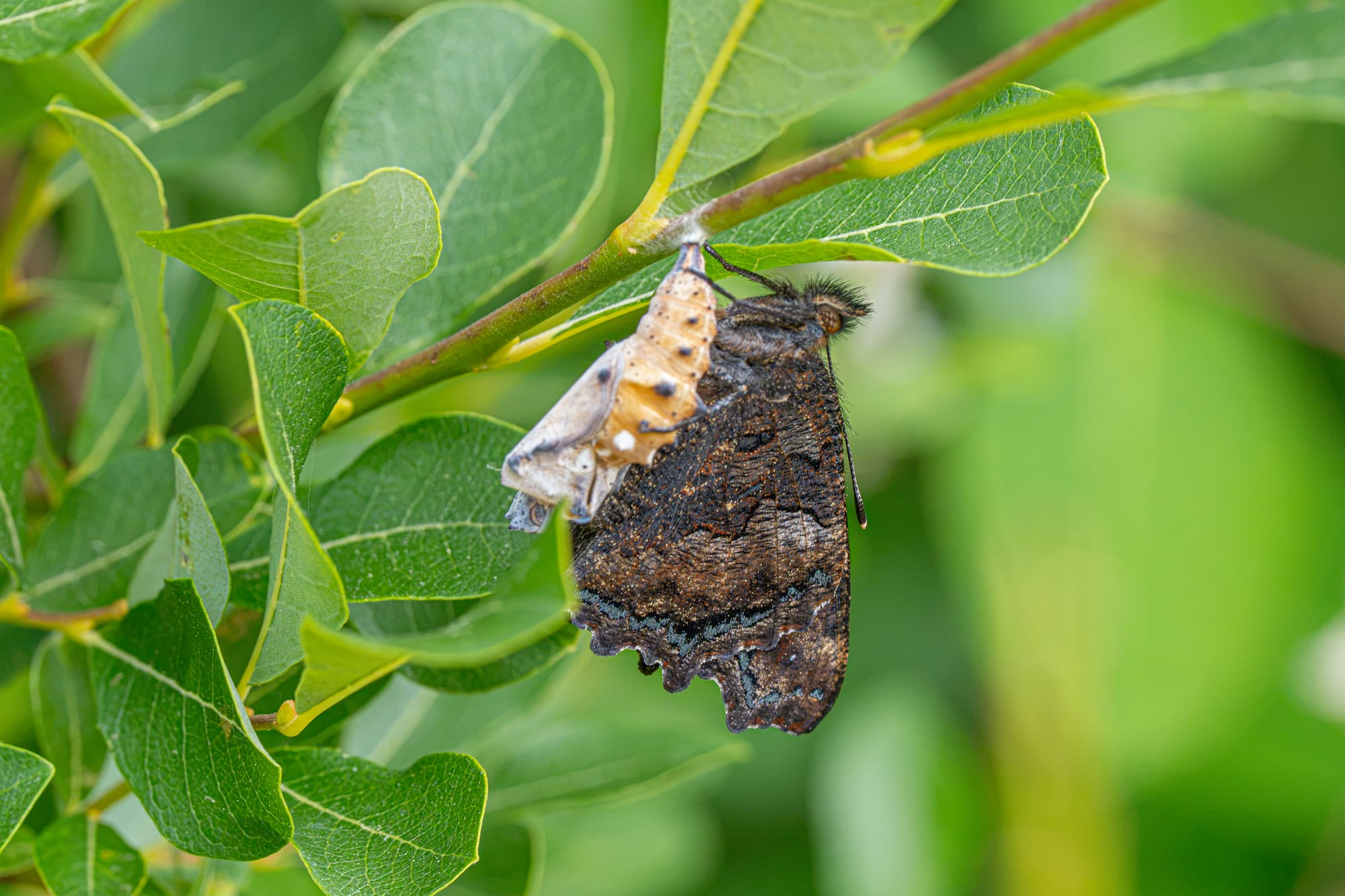
In the case of California tortoiseshells, the general pattern seems to be that adult butterflies overwinter in warmer valleys, then emerge in the spring and move upslope in search of fields of Ceanothus shrubs, where they lay their eggs. Some years, there can be so many caterpillars that they strip the plants bare, then all the caterpillars pupate and emerge at the same time. This is when there might be thousands, millions, or tens of millions of butterflies flying around.
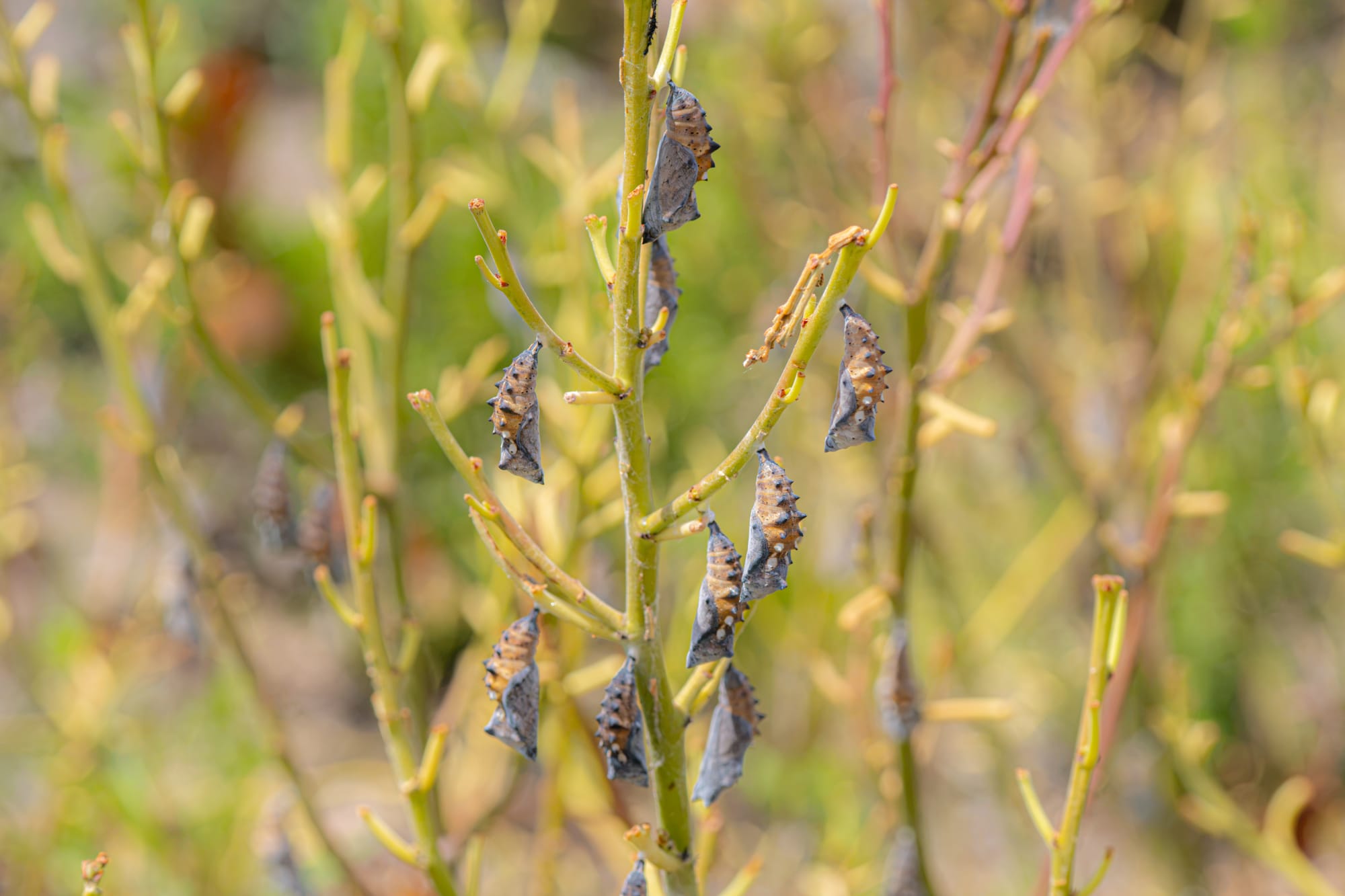
There's no simple, single answer as to what triggers these mass movements or where the butterflies go next. One easy answer is that the butterflies respond to superblooms when food is abundant. That still doesn't explain situations where caterpillars have stripped every plant bare in one area, but not a single plant is touched a few miles away. And the better-documented story of what tortoiseshells are doing in California, where they take two generations to exploit two very different habitats, has nothing to do with the patterns of single generations in the Pacific Northwest.
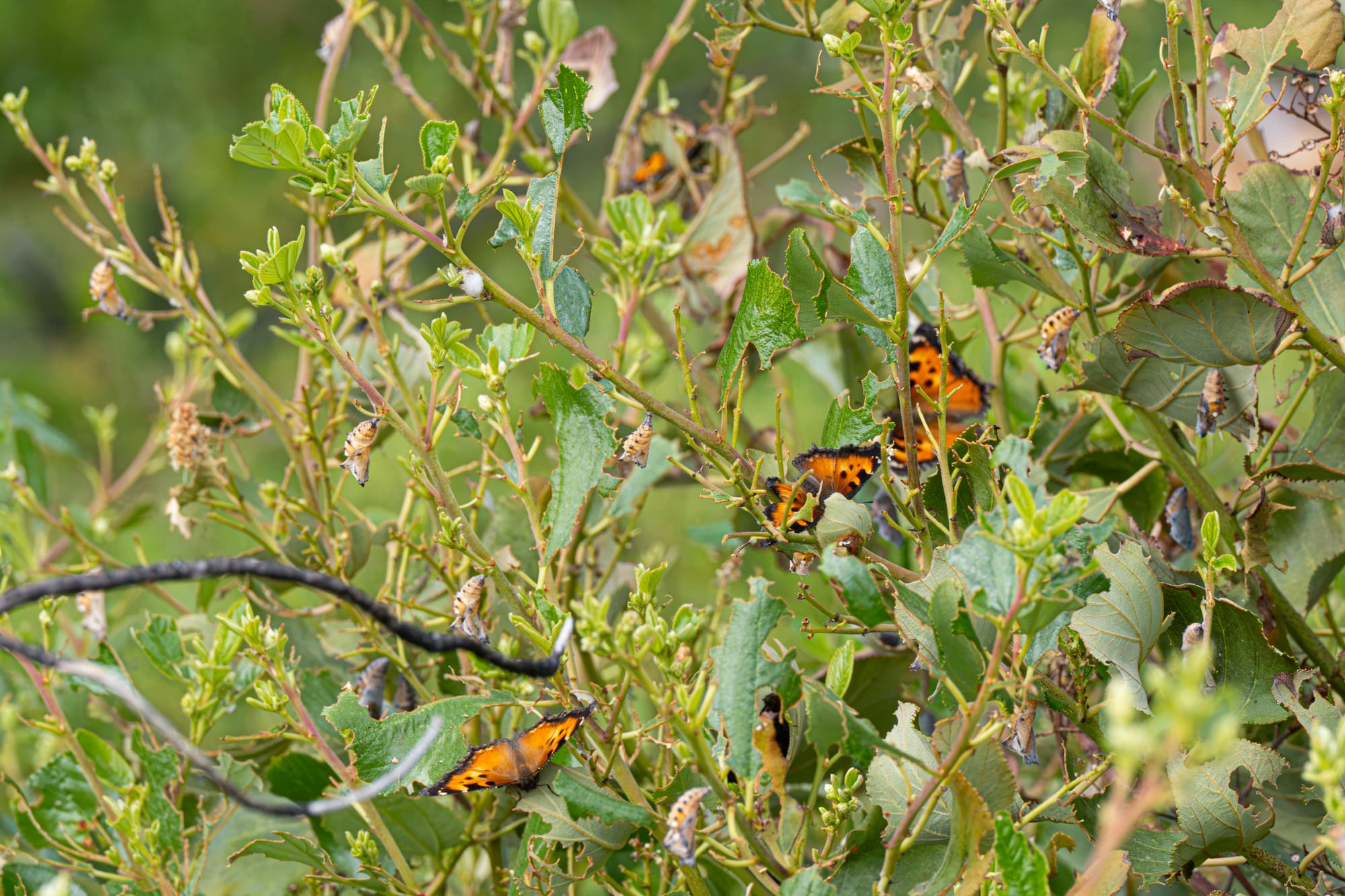
In the absence of a well-researched story that I can share with you today, I think it's appropriate to simply feel awe. It's ok if we don't fully understand what's going on, the fact that it happens at all is a miracle.
A snapshot of the river of California tortoiseshells continuously crossing a 2.5-mile stretch of road in north-central Washington on June 28, 2026.

Member discussion