A Tube Within a Tube
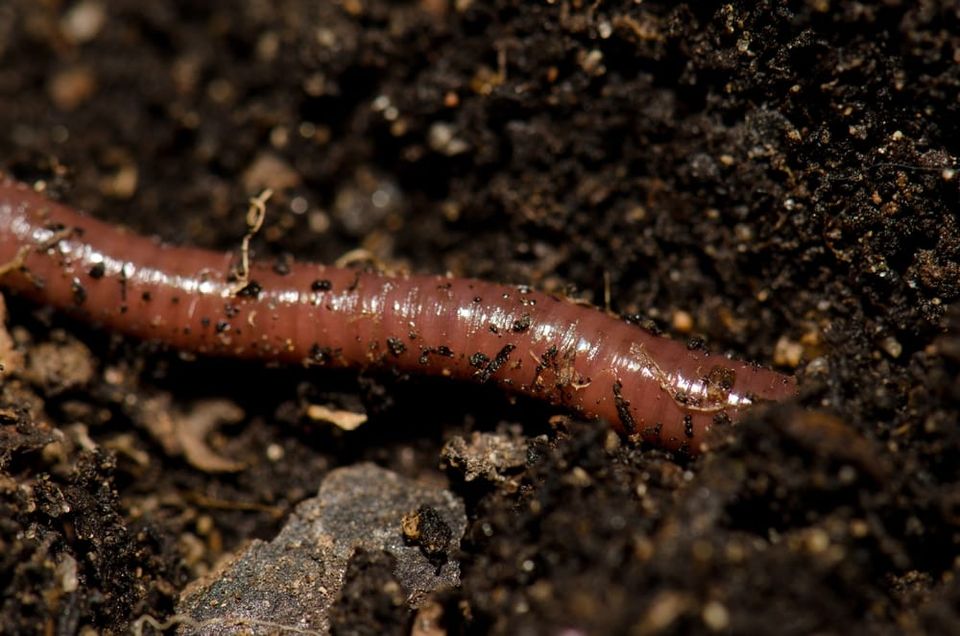
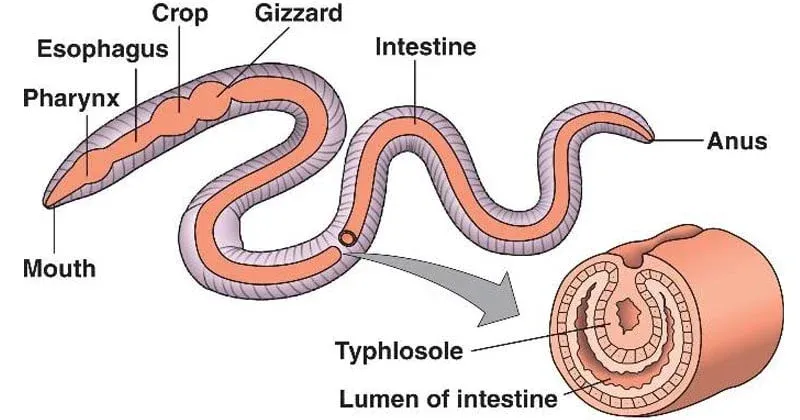
Did you know that an earthworm is little more than a tube of skin containing a long intestine? In other words, it's a "tube within a tube," yet this simplified structure is one of the Earth's most important microhabitats.
To understand why earthworms and their intestines are so important, it helps to first realize how abundant earthworms can be. There can be nearly two million earthworms per acre in fertile soils, and hundreds of thousands in poorer soils. And these earthworms process soils on an almost unbelievable scale, building over 20 miles of underground tunnels and pooping over 5000 tons of worm castings per acre every year!
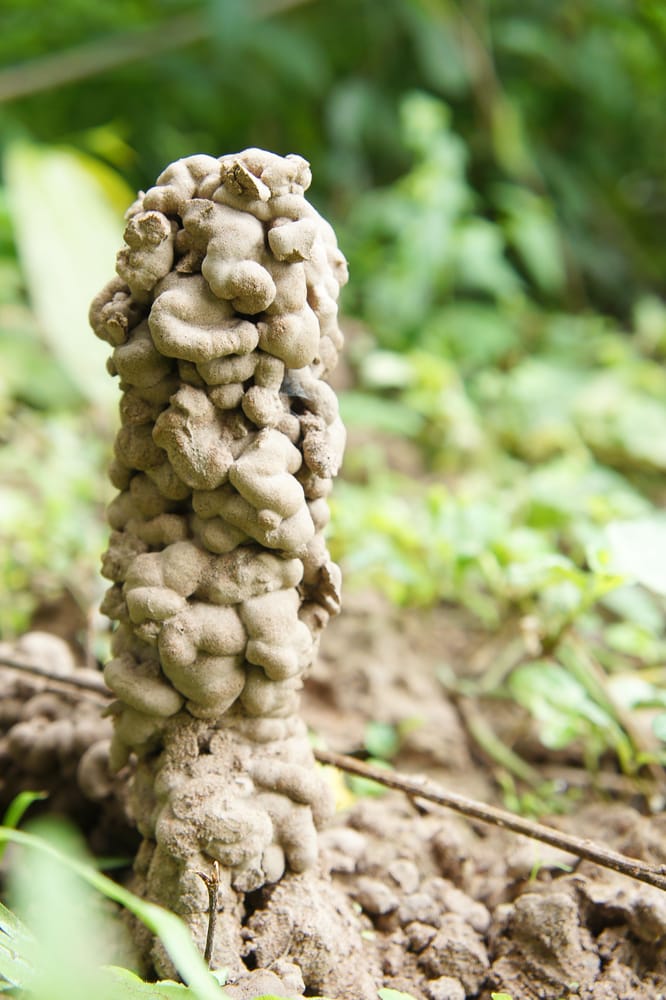
Gardeners may be familiar with the idea that earthworm tunnels help aerate and drain soils, and worm castings are a rich source of nutrients for growing plants, but the real story goes much, much deeper, and it has to do with an earthworm's "tube within a tube" body plan.
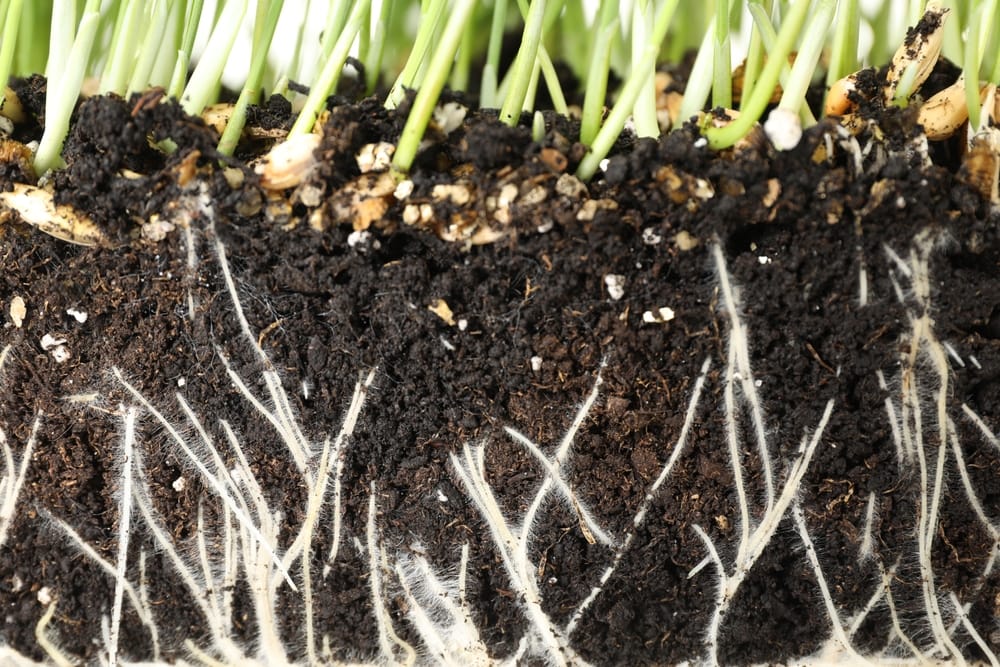
For example, soils are surprisingly challenging environments for microorganisms. The spaces between soil particles are extremely small and unpredictably filled with either water or air, and most foods are low-quality (high in inaccessible carbohydrates and loaded with protective compounds).
In contrast, an earthworm's intestine is a predictable and stable microzone, so a unique mutualistic relationship has evolved between earthworms and microbes in the soil. This relationship has been called the "Sleeping Beauty Paradox" because many microbes remain dormant in the soil (sleeping beauties) until they are awakened by the intestinal mucus (the kiss) of an earthworm (Prince Charming).

After being consumed along with soil particles and bits of plant matter, microbes are awakened by an earthworm's intestinal mucus and begin breaking down organic matter that can then be digested by the earthworm. During their short passage through an earthworm's foregut, conditions are so favorable for microorganisms that their numbers increase up to 1000 times.

Earthworms produce copious amounts of mucus because it lubricates and protects them from the countless soil particles they eat and burrow through, but this mucus also matters because it's a rich cocktail of carbohydrates, proteins, lipids, and polysaccharides that is readily consumed by microbes.
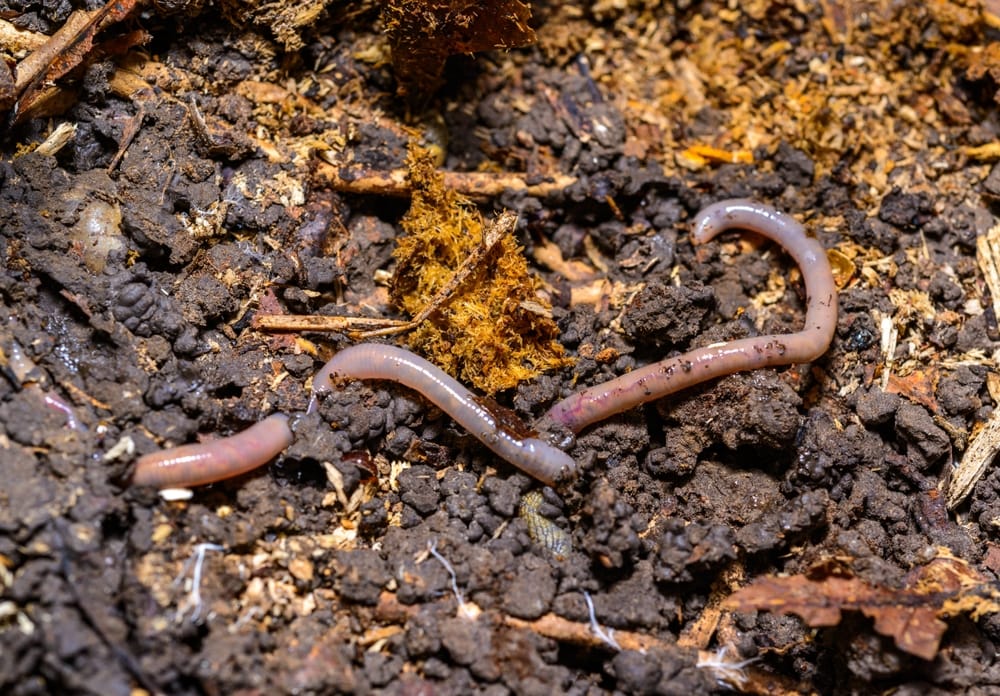
In fact, microorganisms increase their metabolic activity 10-30 times in the presence of earthworm mucus, and this impact goes far beyond what happens in an earthworm's intestine because earthworms also line their burrows with mucus as they tunnel and produce abundant mucus-infused castings (poops). In fact, it's estimated that 40-60% of total topsoil weight consists of earthworm-formed structures (mucus-infused tunnel linings and castings), and all of this has a huge range of impacts on plants, soils, and microorganisms.
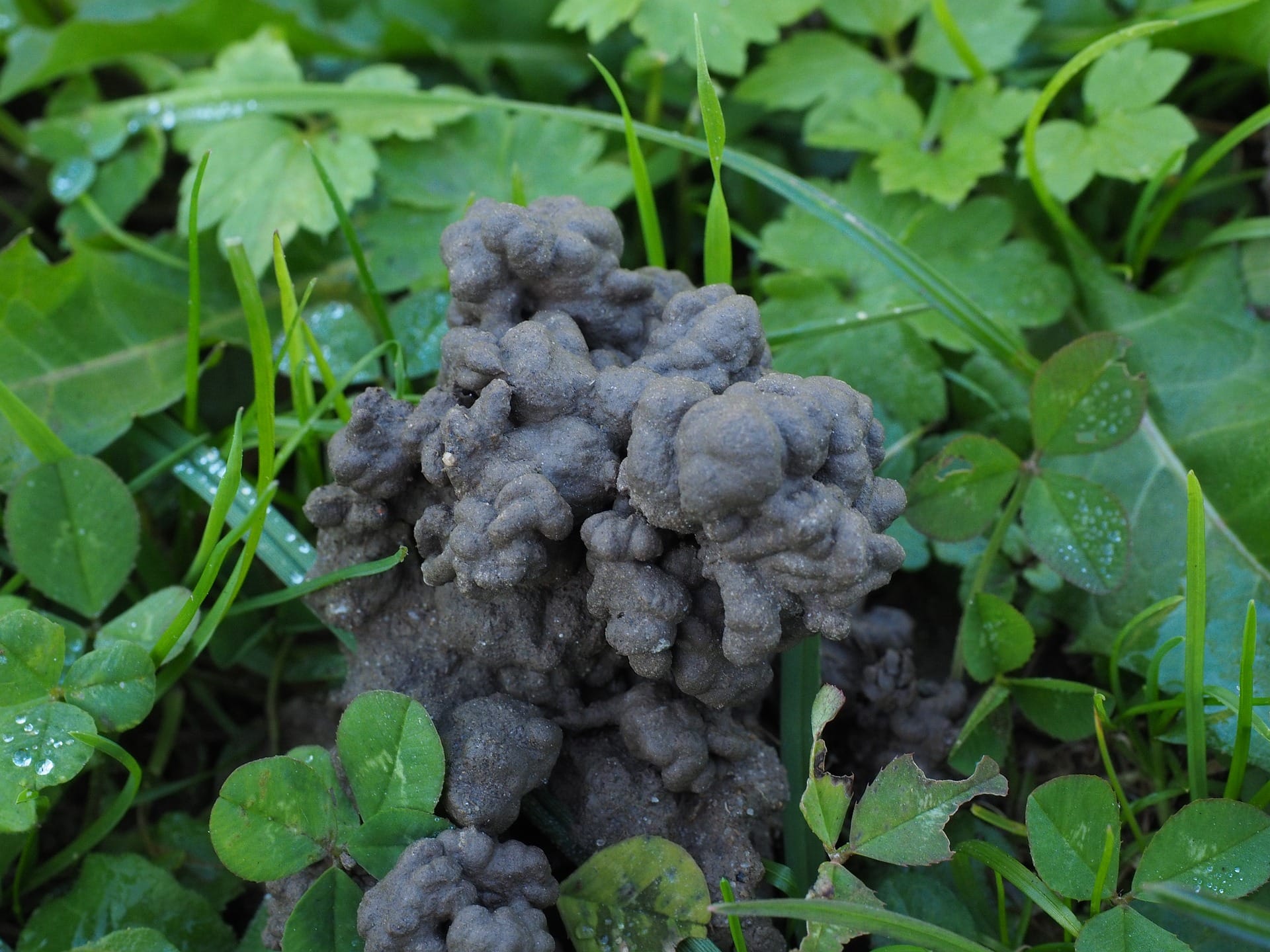
One thing that's particularly interesting about the relationship between earthworms and microbes is that once they're pooped out, these microbes remain active for a short period of time, then go dormant until the next time they are eaten by an earthworm and start the cycle all over again. In other words, the life cycle of these microbes seems to revolve entirely around earthworm intestines and mucus!
Further Reading:
This is actually an exceedingly complex topic with hundreds of research papers and many facets I didn't cover in today's newsletter. For example, another key feature of earthworm intestines is that they produce calcium carbonate to help neutralize humic acids in the soils that earthworms swallow, which means that earthworm poop also lowers soil acidity and make soils more productive.
Here is a short and very simple explanation of an earthworm's "tube within a tube" body plan.
Here is a basic study guide summarizing the structure of an earthworm's digestive system.
If you prefer watching videos, here's a short video explanation of a worm's digestive system.
And if you want to get super nerdy, here are some examples of the technical literature on this topic:
Earthworms building up soil microbiota, a review
Insight into the earthworm gut: multi-kingdom microbial communities
Earthworm mucus contributes to the formation of organo-mineral associations in soil
The functional role of earthworm mucus during aggregation

Member discussion