Thermal Cover
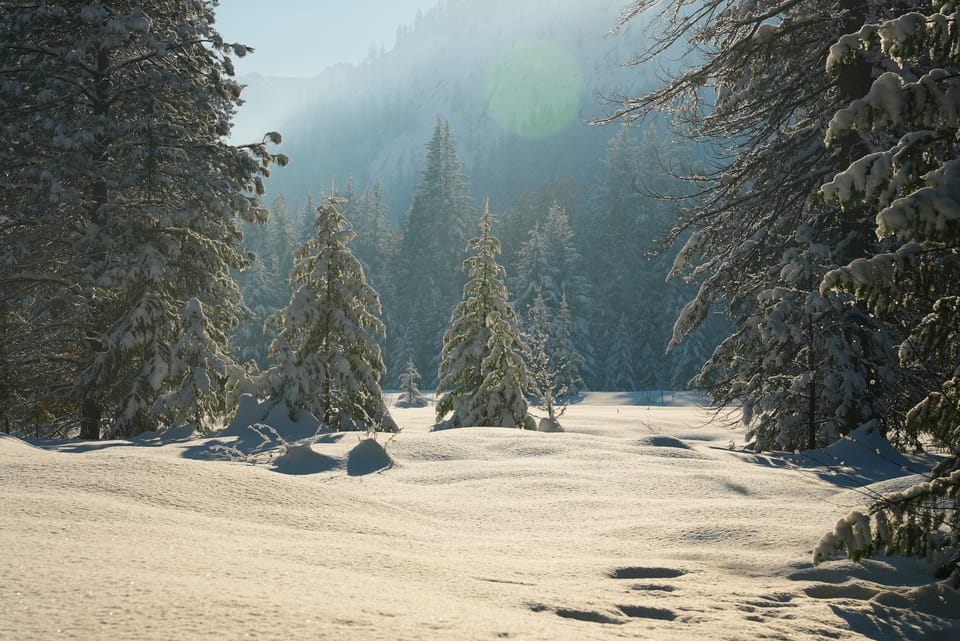
I recently wrote about thermal cover for my Nature Notes newsletter, and I realize that some of you are hearing part of this story again, but this topic is so important that I want to dig a little deeper.
Extreme wildfires seem to be on everyone's mind these days, and one immediate reaction is that we need to log or thin forests to stop these fires. Unfortunately, when people hear about logging or thinning, they might think it's a reasonable way to prevent wildfires.
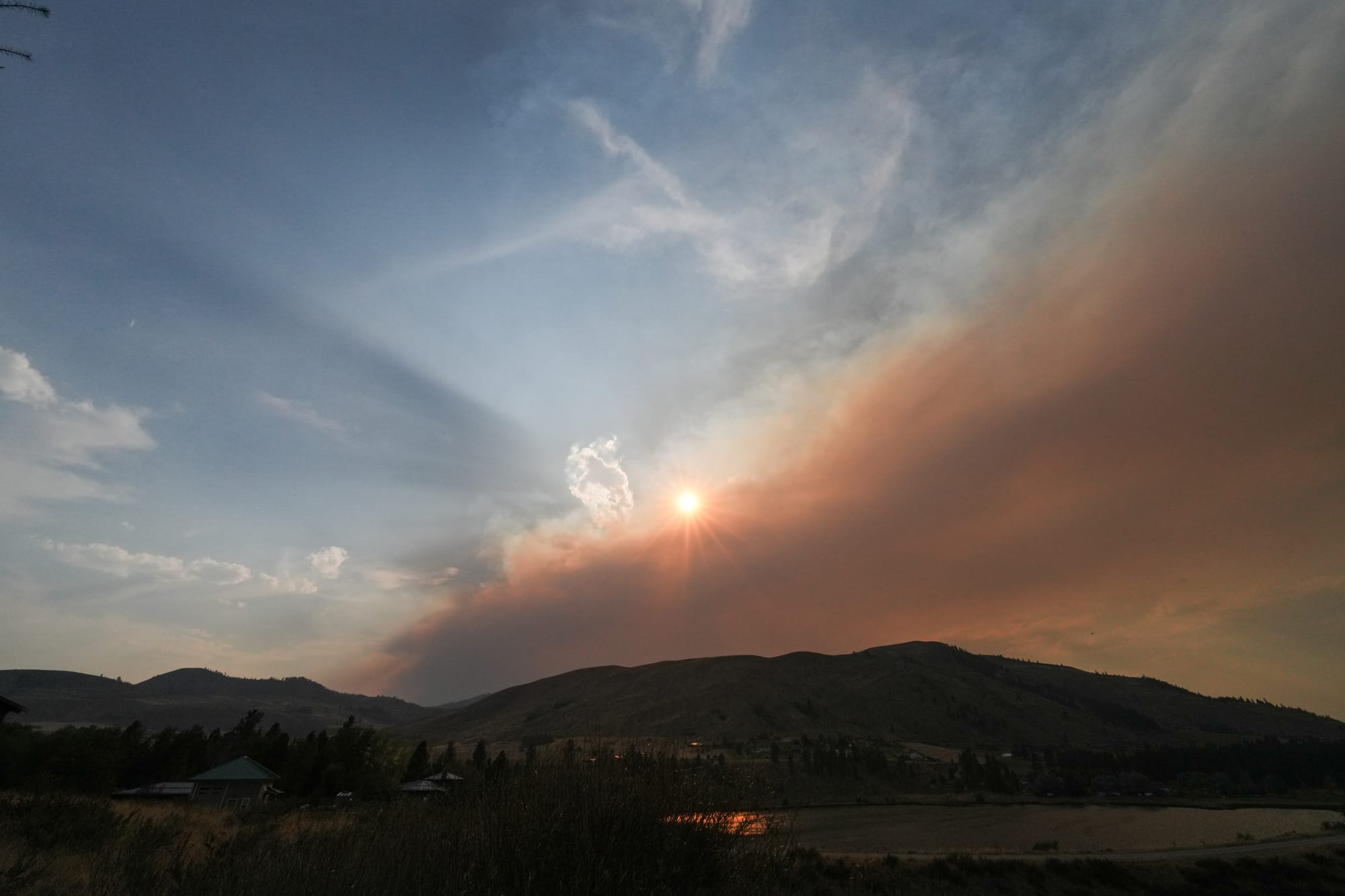
Surprisingly, the science on this is not clear. Some studies suggest that logging and thinning can help prevent fires, while other studies point to the ways that logging and thinning cause more fires, but one thing is clear: In the long-running debate about thinning forests, people are missing the fact that dense stands of trees provide a vital and irreplaceable service known as "thermal cover" (also known as thermal refuges).
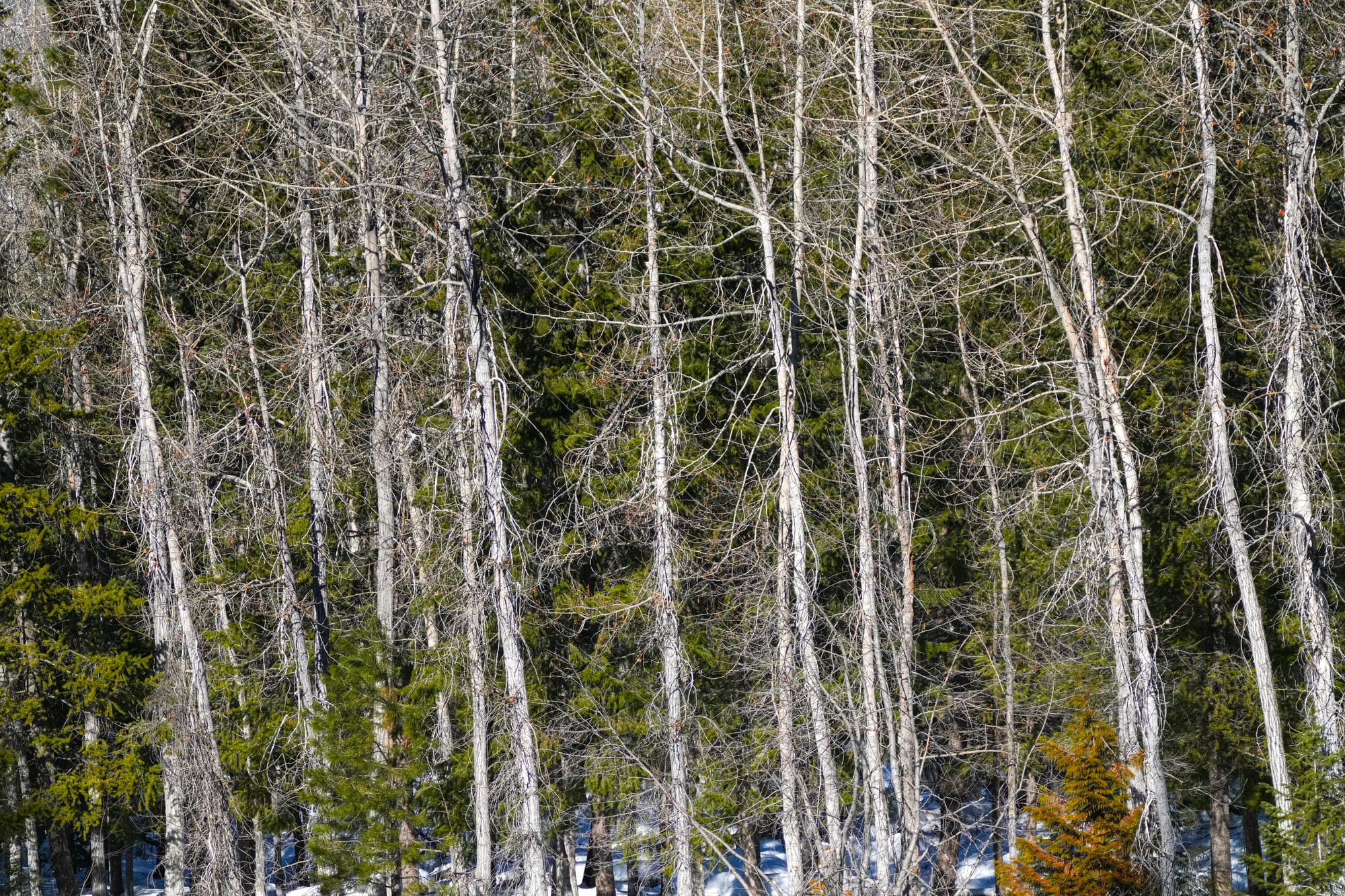
Think about thermal cover this way: If you're an animal, every day you face a life-or-death struggle to find enough food to stay alive. This makes it critical that you conserve every calorie possible by maintaining an ideal body temperature rather than wasting your energy trying to warm up in the winter or cool down in the summer.
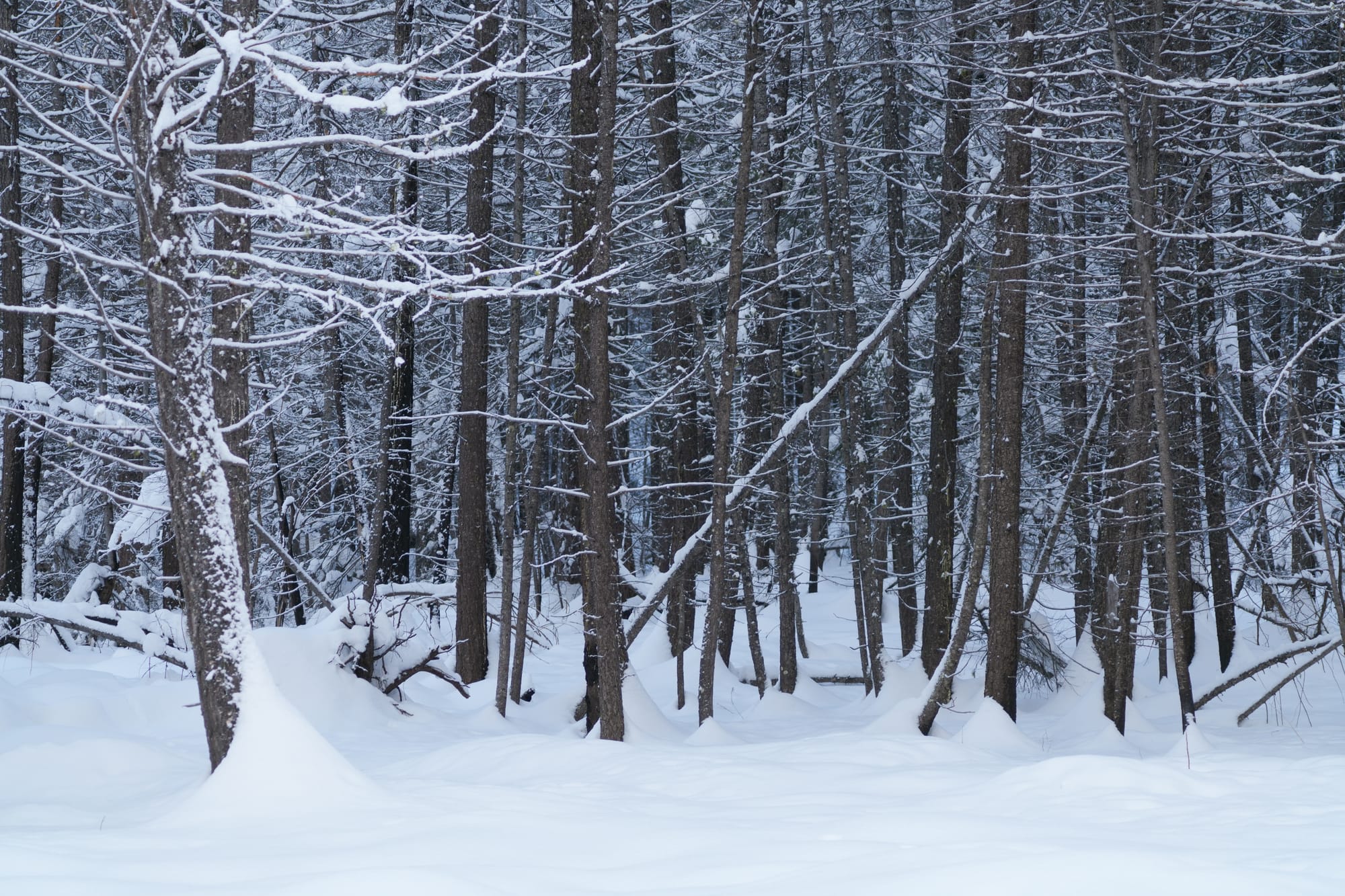
Denser stands of trees provide refuge from stressful temperatures for a huge range of plants and animals by blocking wind and holding heat in the winter, and by providing cool, moist shade on hot summer days. These lifesaving benefits help many species, and some plants and animals are utterly dependent on these kinds of habitats.
"Thermal refuges – thermally buffered locations where organisms avoid exposure to unfavorable temperatures – are emerging as one of the largest hopes for the persistence of populations during climate warming." Gibson et al.
However, denser stands of trees do much more than simply buffer temperatures throughout the year; they also provide places to hide or escape predators, including hiding spots where birds can nest, and deer can have their fawns.
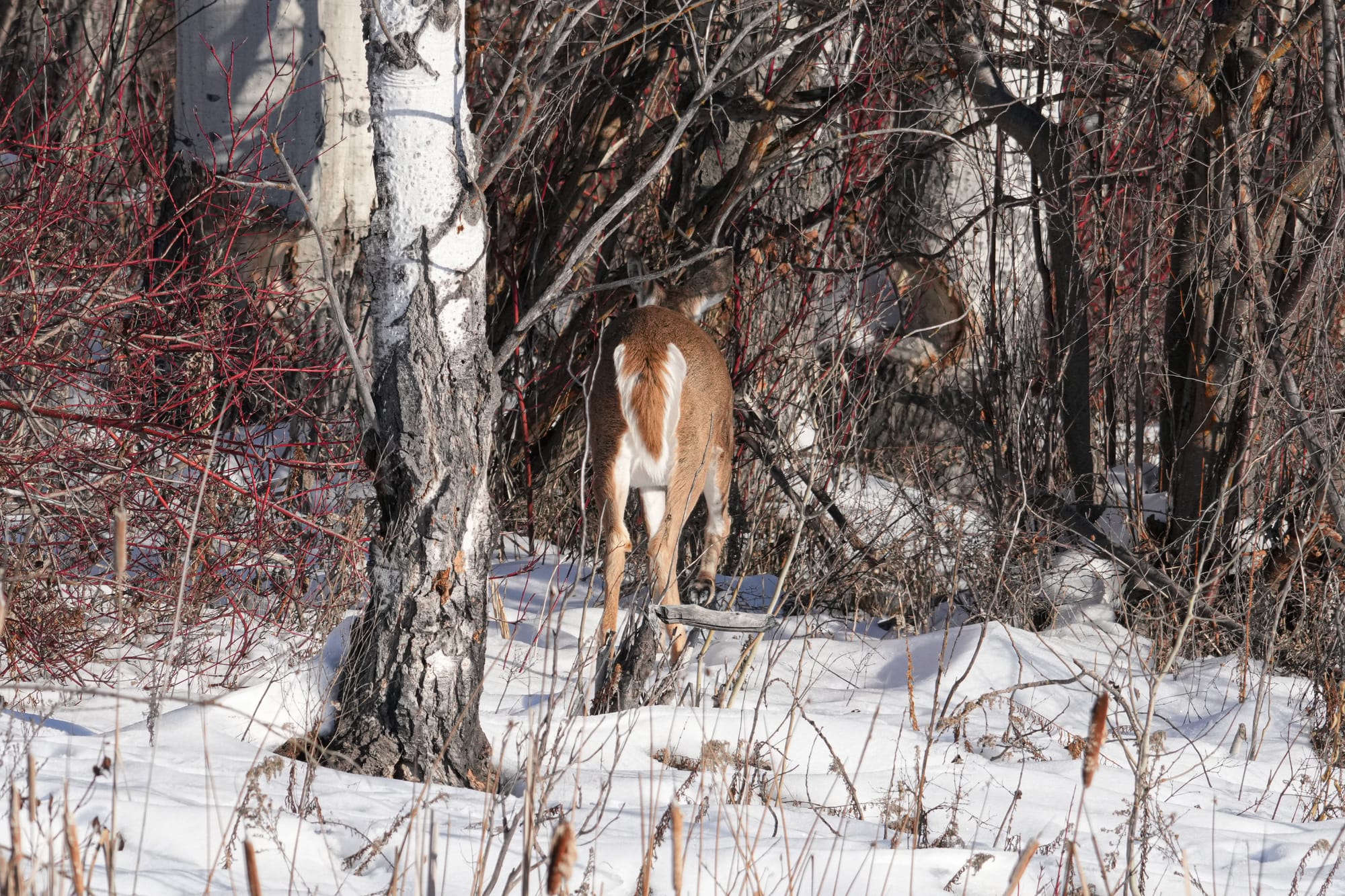
And these are just some of the impacts that can be most easily seen or felt. Thinning denser stands of trees also changes soil respiration, vapor pressure deficits, and nutrient cycling, not to mention having profound impacts on tiny soil organisms that cannot survive or migrate to new areas when their habitats are suddenly opened up.
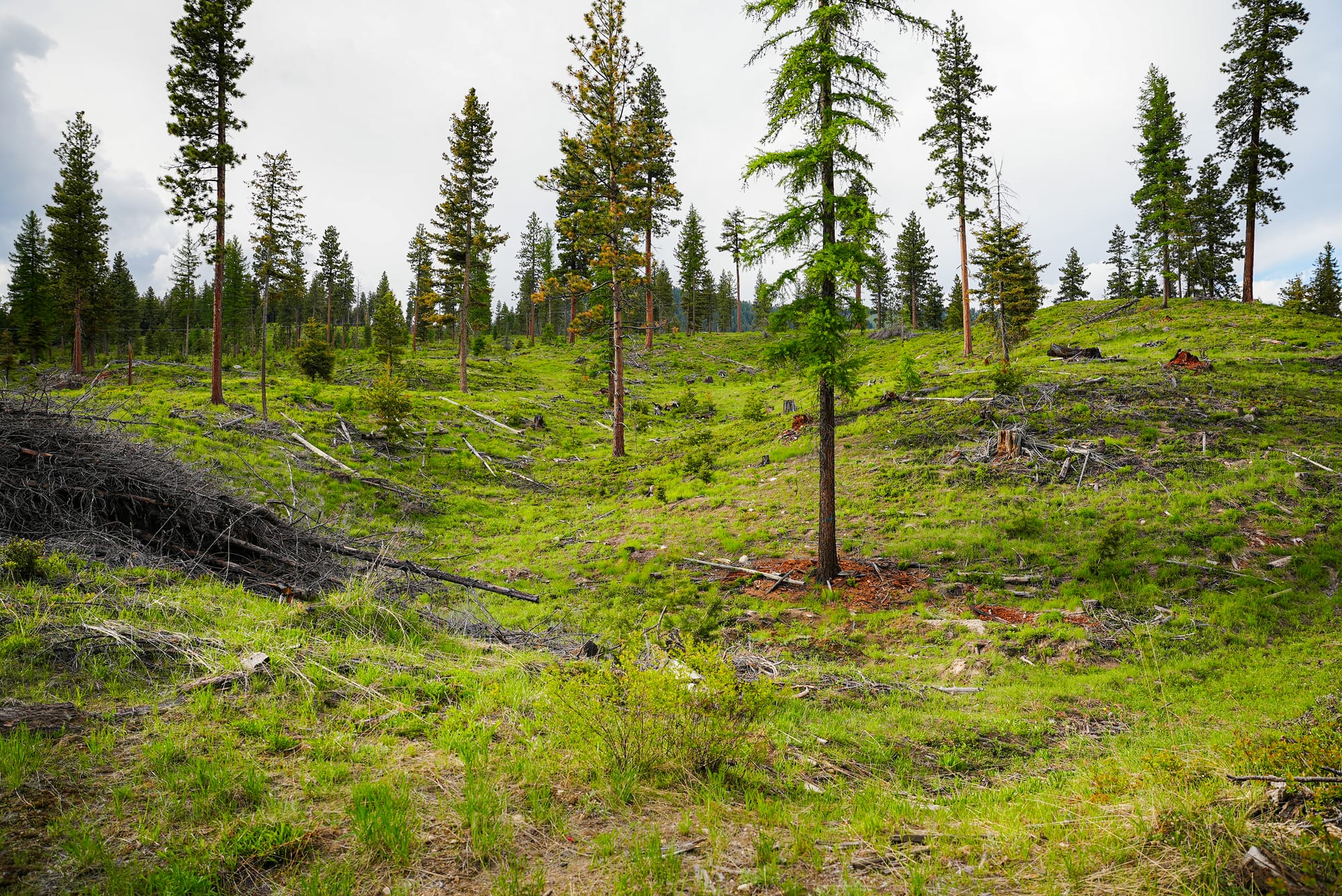
It seems particularly crazy that one of the main arguments for thinning is that the warming climate creates more extreme wildfires, yet people want to solve the problem by thinning trees, which causes forests to dry out and warm up even more!
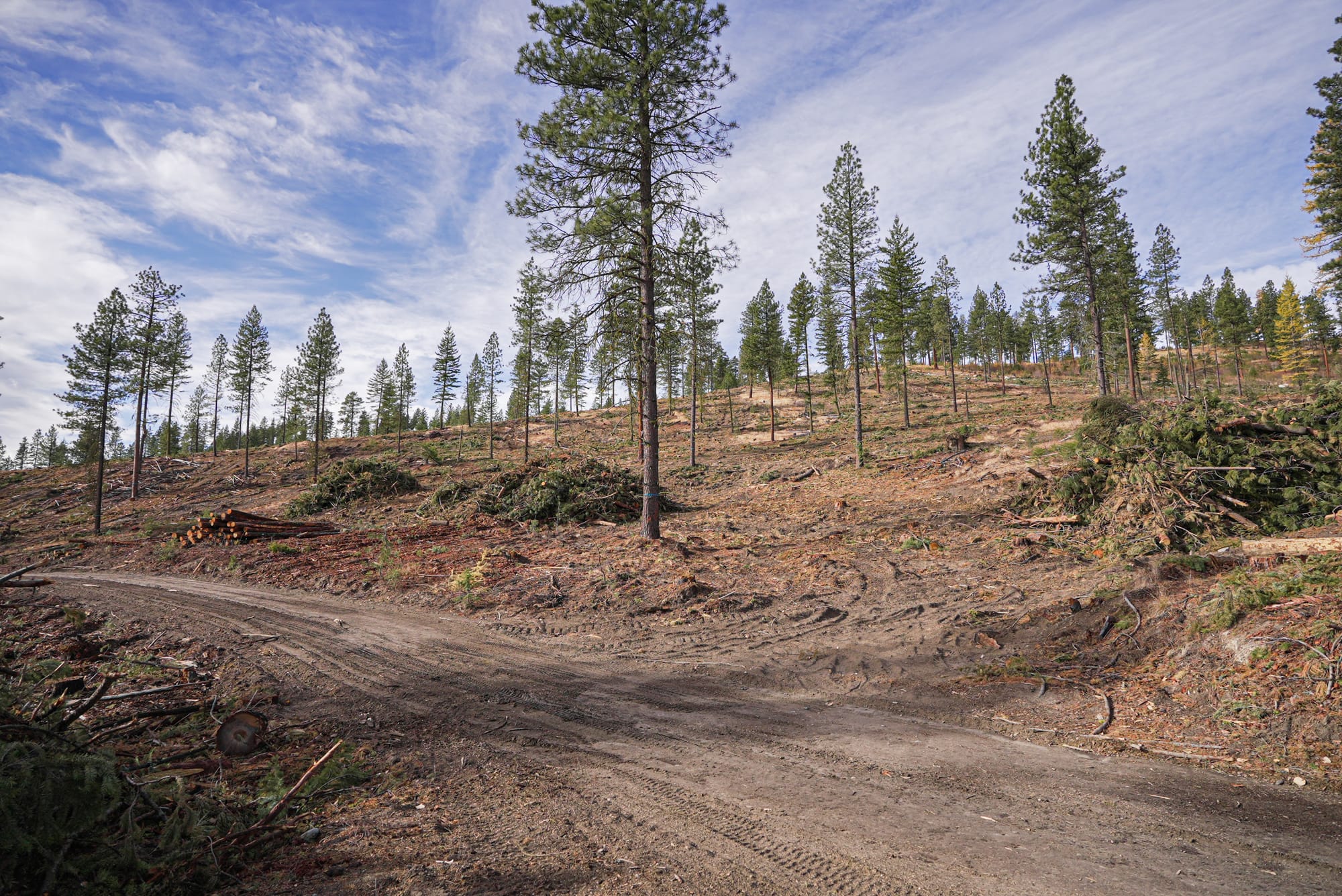
As a naturalist, I'm concerned that these broad-brush solutions will make the solutions far worse than the problems they're trying to solve. If we thin forests across entire landscapes, as the Forest Service is currently trying to do, then we put more stress on entire ecosystems and create a host of new issues that future generations will have to address. There are far better solutions than this.

Member discussion