The Humble Horsetail
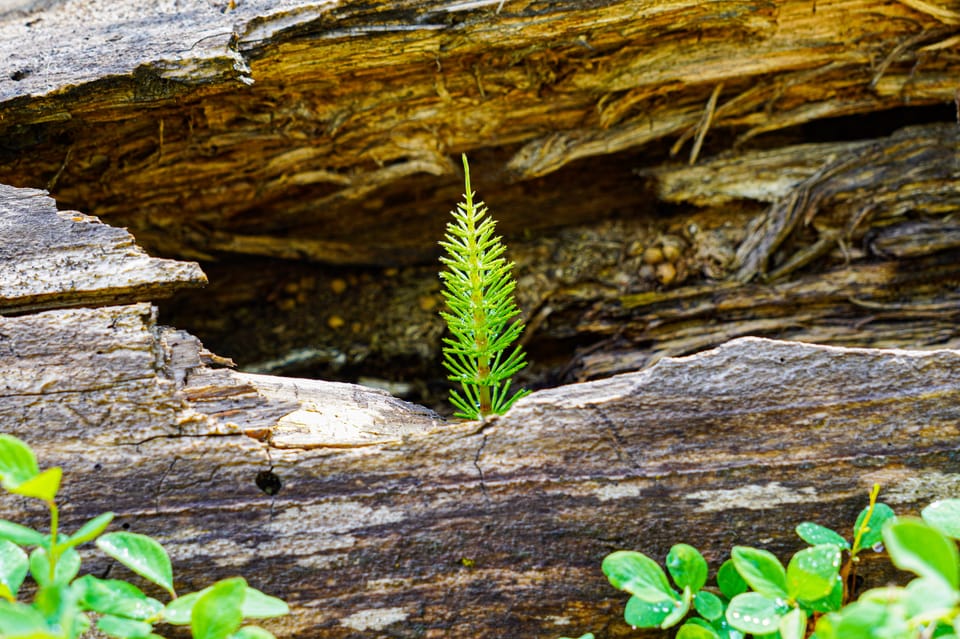
You'd be forgiven if you've overlooked the common horsetail (Equisetum arvense), but did you know that this is one of the top ten most abundant plants on Earth?!
A long, long time ago—100 million years before the first dinosaur, and 200 million years before the first flowering plant—horsetails ruled the world. Countless types of horsetails dominated every terrestrial environment, with some giants reaching nearly 100 feet tall. Ultimately, these vast horsetail forests utterly transformed the world by sucking carbon dioxide from the atmosphere and tilting the atmospheric balance of gases in favor of oxygen, which paved the way for other plants and animals to evolve.
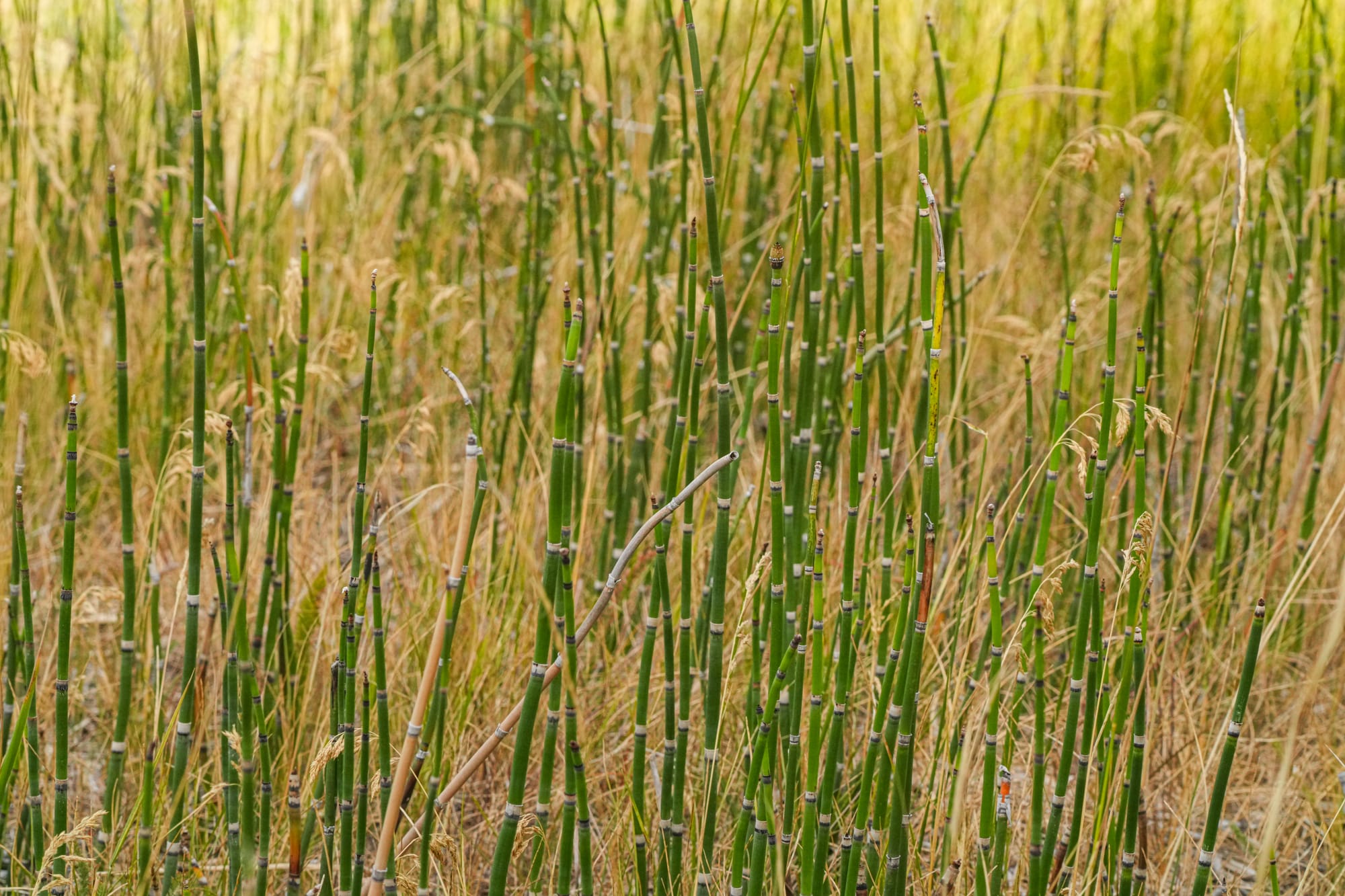
And all that carbon dioxide that horsetails sucked out of the atmosphere? Well, it was buried in mud and sand when horsetails died, and there was so much carbon dioxide that it created the immense coal and oil deposits that fuel our modern world.
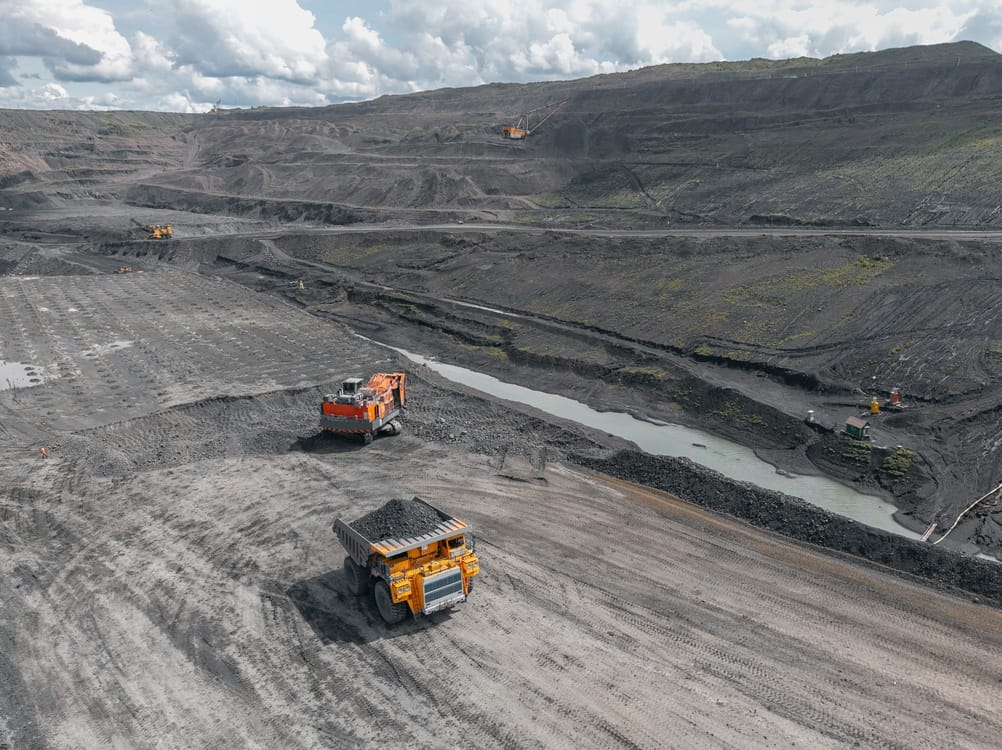
The horsetails of today are a far humbler lot, but this helps explain their incredible persistence over time. Modern horsetails may only be a tiny remnant (15 species in one genus) of their former greatness, but these unchanged living fossils have somehow outlasted dinosaurs and countless other forms of life.
One of the most remarkable aspects of horsetails is that they evolved in an ancient silica-rich environment, and their life cycle is still built around processing silica from the soil. They are the closest thing we have to a silica-based lifeform (versus a carbon-based lifeform), so they have prompted intense speculation that silica-based lifeforms might live on other planets.
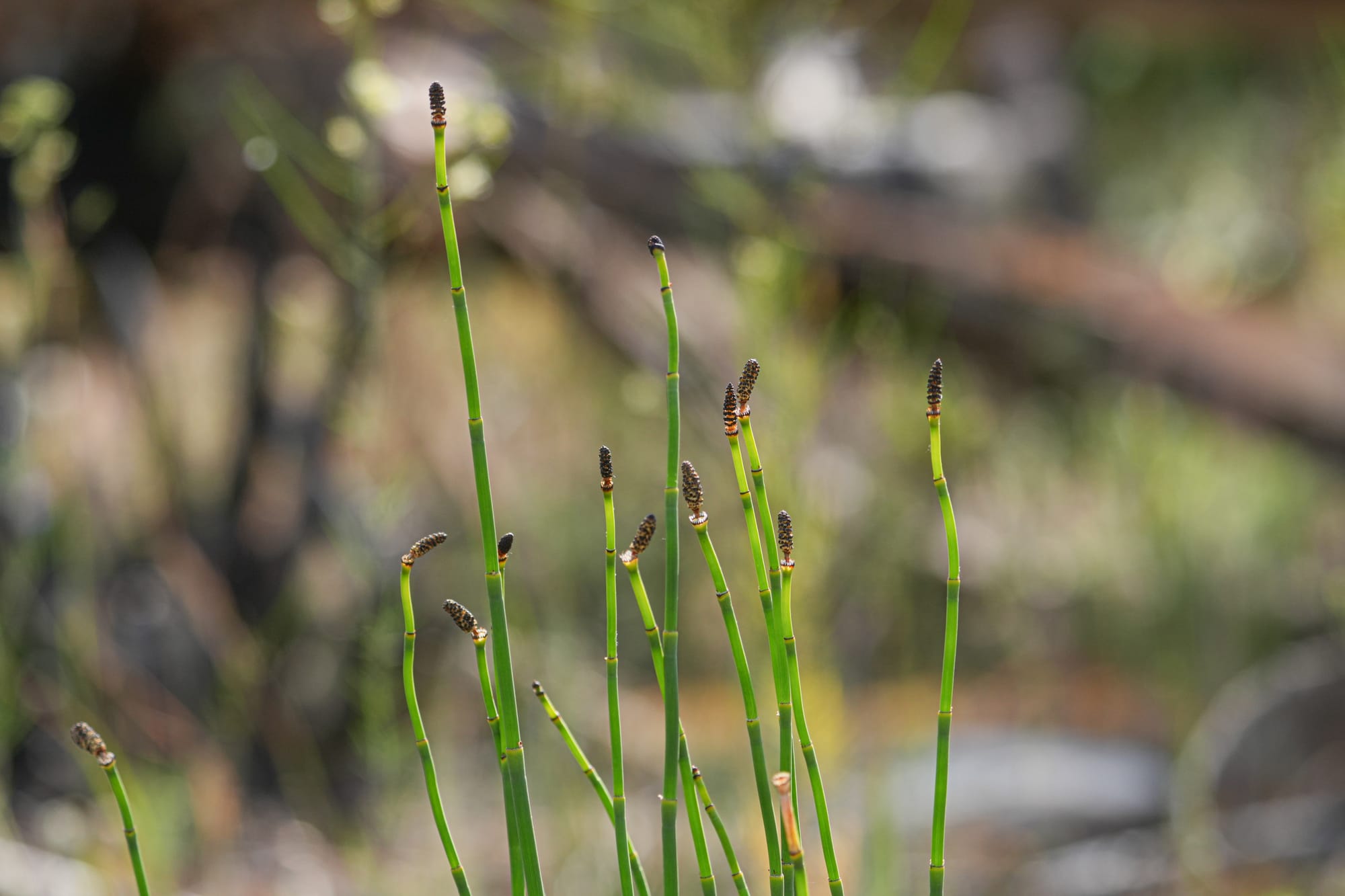
Horsetails accumulate so much silica in their tissues that it can comprise 25% of their dry weight, and because silica is so hard and durable (it's the primary component of glass), it helps horsetails reinforce their hollow stems while making them unpalatable to herbivores. Silica also has a rough, abrasive texture that gives horsetails their common name "scouring rush."
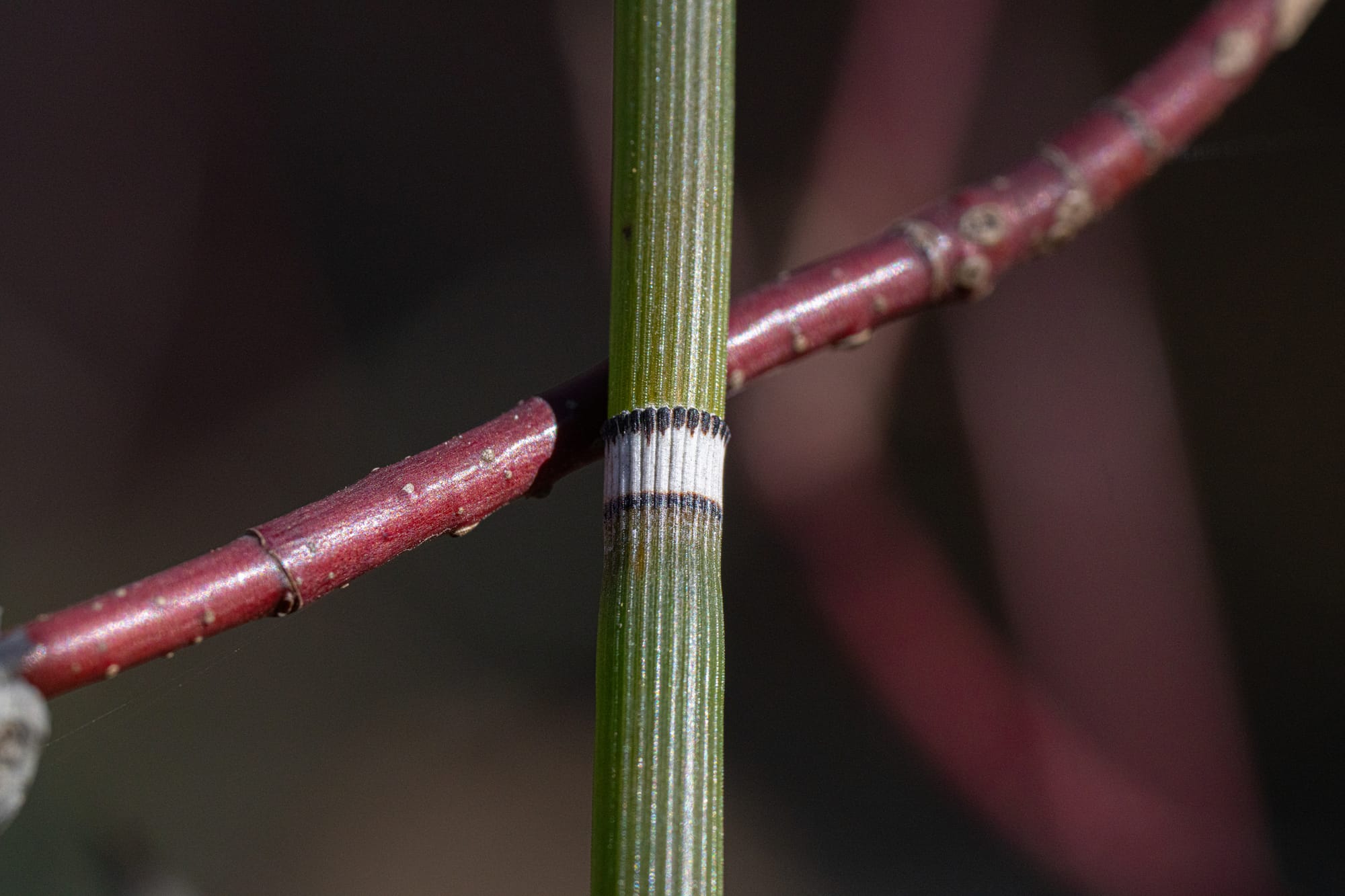
Horsetails are also persistent because of the stubbornly efficient ways they grow. Their stems grow underground as prolifically spreading rhizomes with very deep roots (up to six feet deep) that are largely impervious to soil disturbance, flooding, or any attempt to eradicate them.
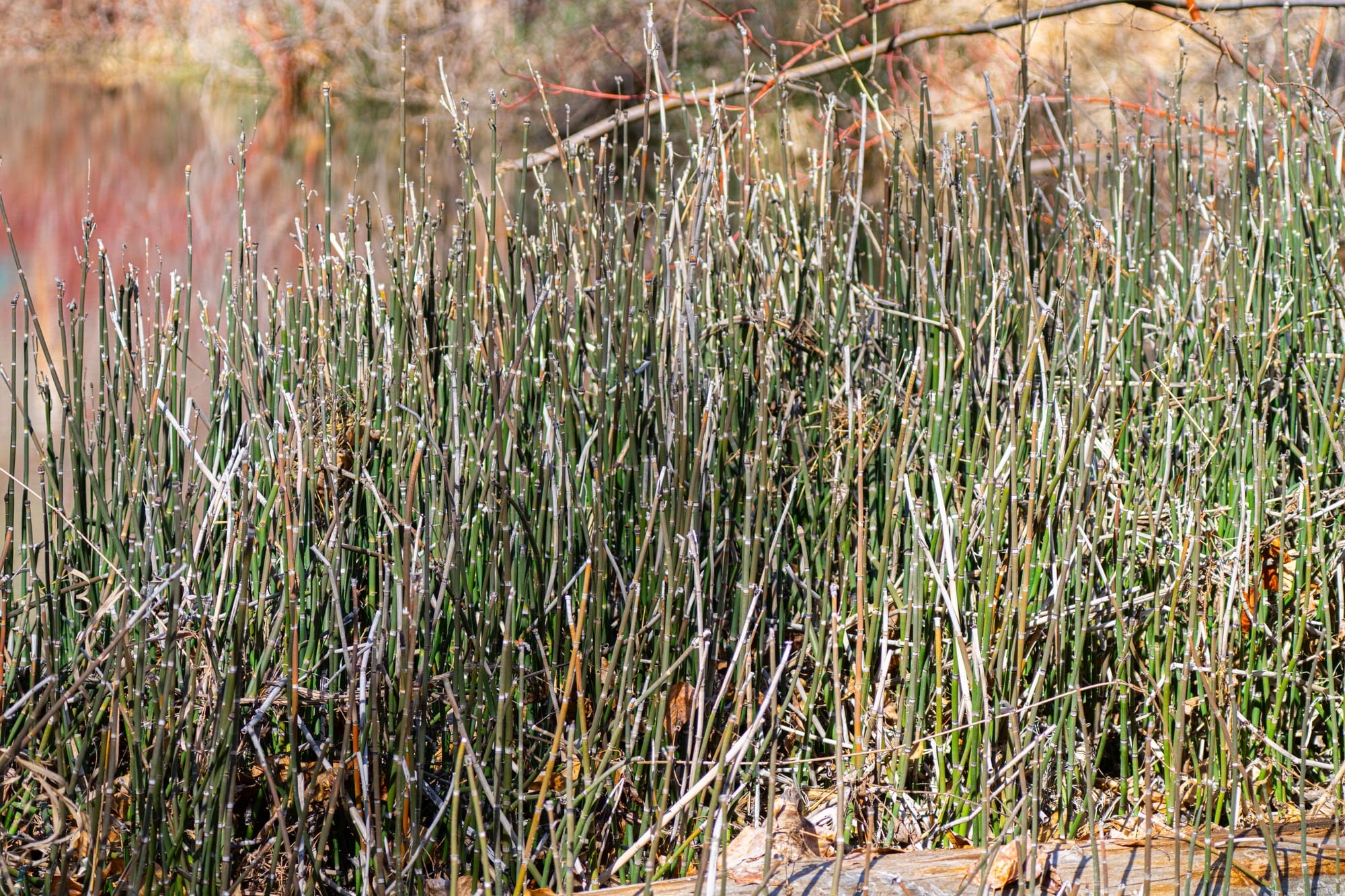
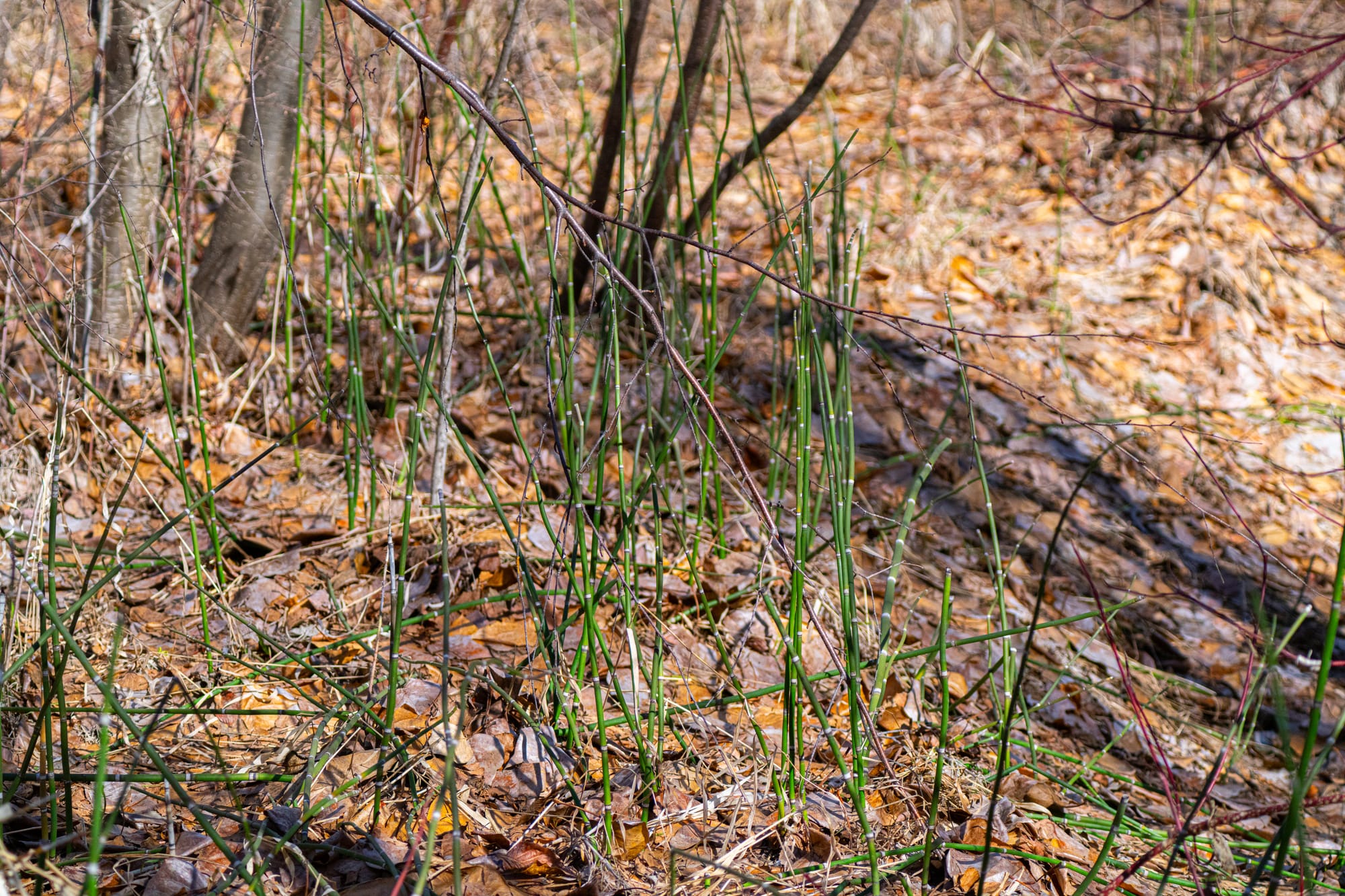
These underground stems then send up large numbers of aboveground branches that come in two forms: narrow stalks tipped with cone-like structures that emerge in early spring and release spores before dying back, and green shoots with whorls of needle-like branchlets that photosynthesize and persist through the summer.
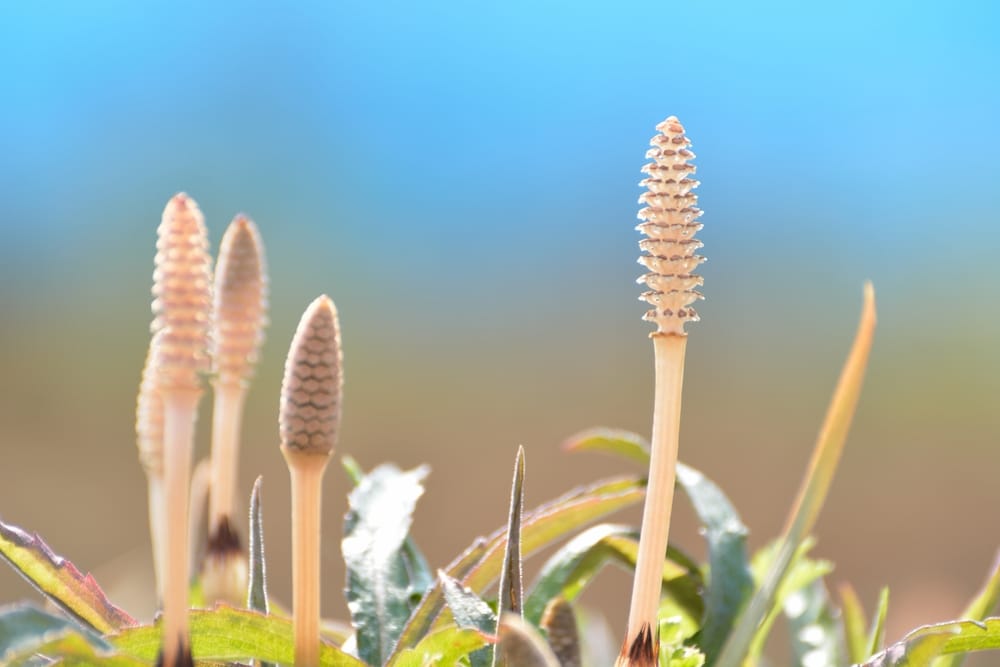
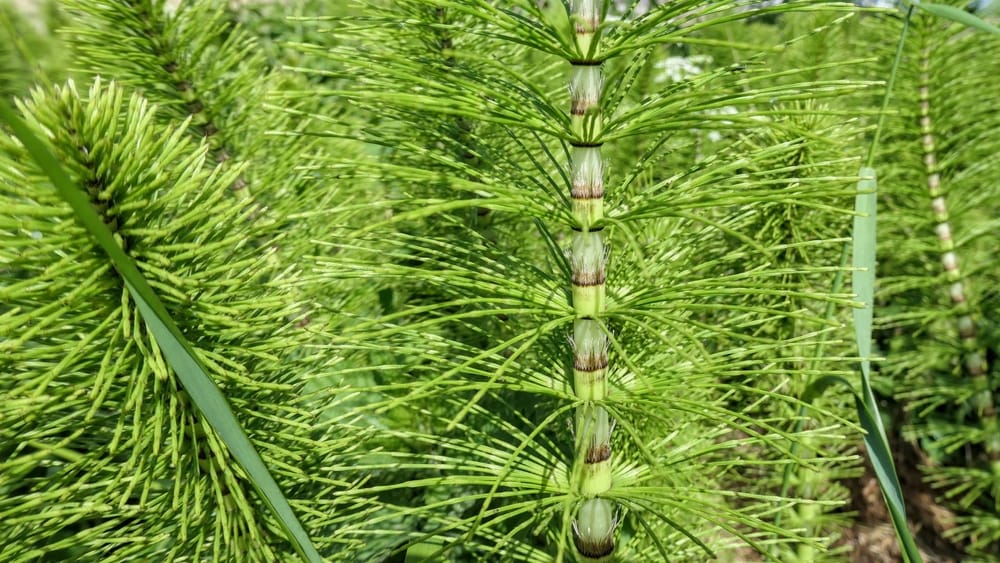
Reproductive stalks on left (photo by High Mountain/Shutterstock), and non-sexual photosynthetic stalks on right (photo by Wirestock Creators/Shutterstock)
Horsetails are often unfairly labelled as "weeds," but they play an outsized role in sustaining the productivity of the habitats they grow in. Because of their prolific, deep roots, they pump significant amounts of phosphorus and potassium, which are critical limiting nutrients in most ecosystems, from deep underground to the surface, where other plants can then access these nutrients.
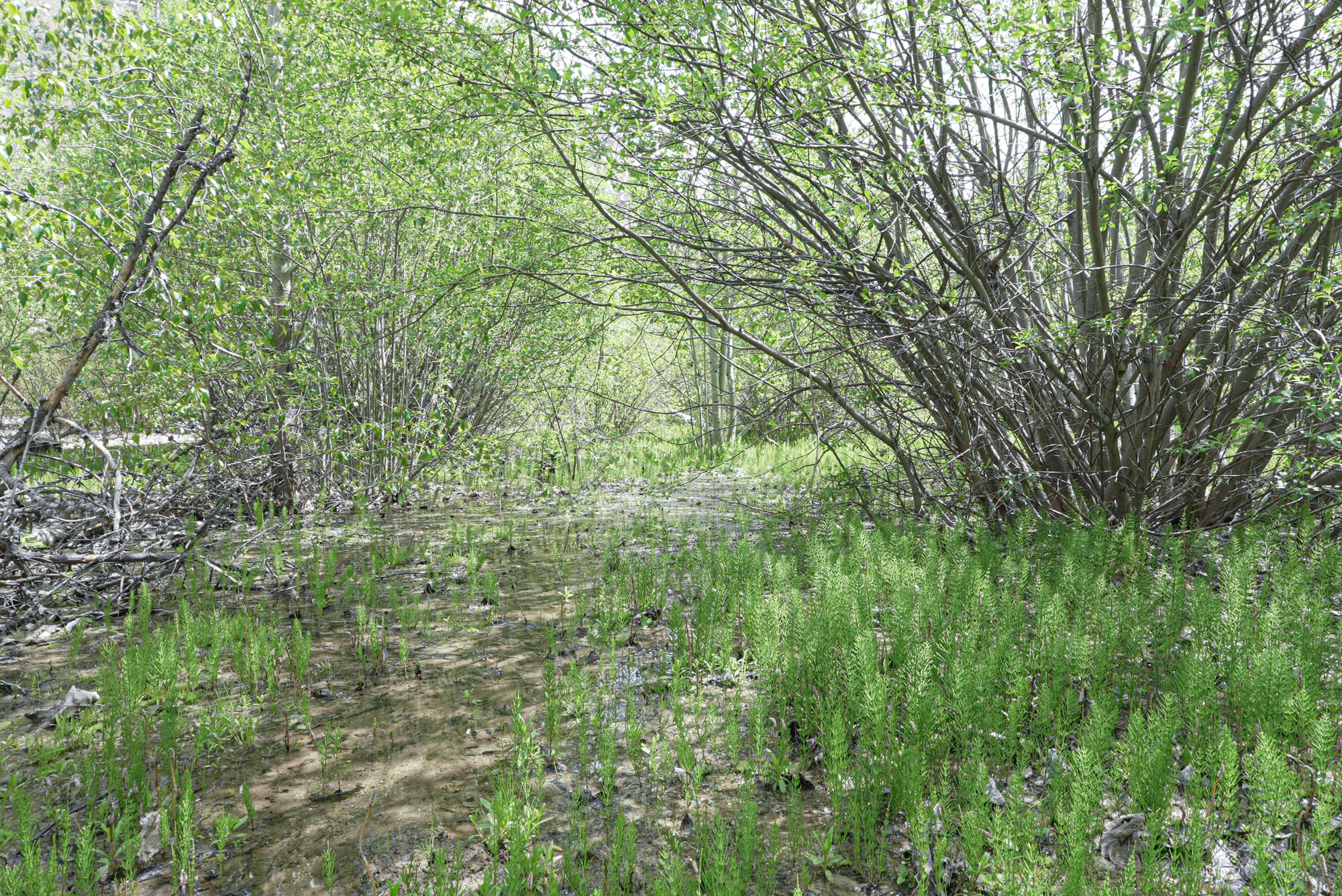
If you've never paid attention to horsetails before, I hope you take a moment to appreciate them now. These remarkable plants have been around for 350 million years and have witnessed the rise and fall of continents, the passing of dinosaurs, and the evolution of nearly every plant and animal species that has ever existed on Planet Earth. They'll almost certainly still be around when we're gone as well.
Further Reading: This is a great topic and there are some lovely articles you might enjoy reading if you want to learn more. The Ancient Plant That Survived Dinosaurs—and Might Outlive Us is a fun article about the remarkable resilience of horsetails. Equisetum: From Giant Tree to Little Plant—A Study & An Evolution is a long, fantastic article with lots of information about the environments of both ancient and modern horsetails. EQUISETUM - CLASSIFICATION, STRUCTURE OF SPOROPHYTE, REPRODUCTION, STRUCTURE OF GAMETOPHYTE AND FERTILIZATION is a short article with technical descriptions and images of the ways that horsetails reproduce. For a really deep dive, On the Potential of Silicon as a Building Block for Life is a full review of the science behind carbon- and silica-based lifeforms.

Member discussion