Hare Apparent
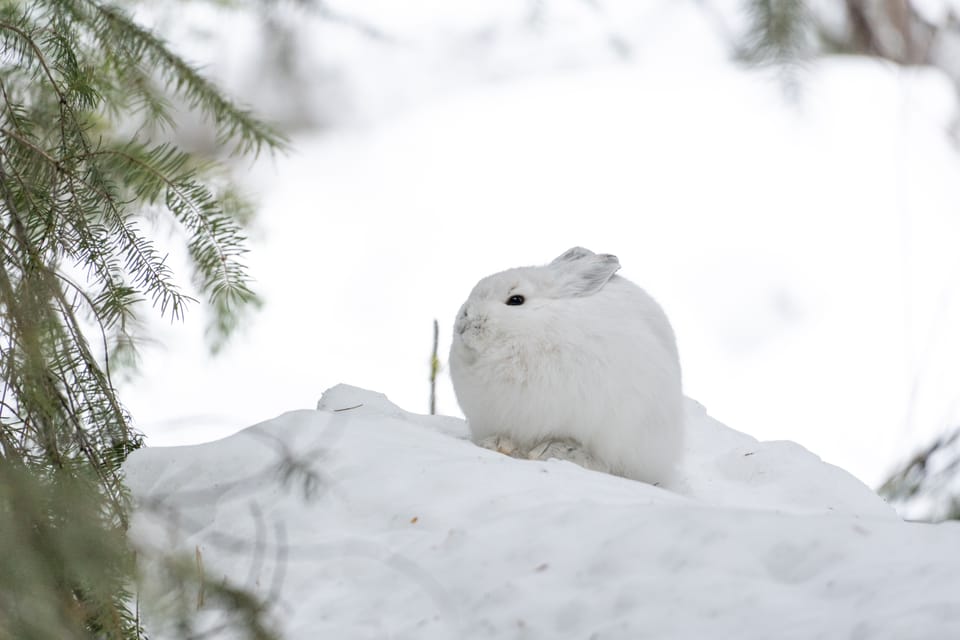
Some birds and mammals turn white in the winter, and you might think they do this to hide in the snow. Surprisingly, the answer to this age-old question is not as obvious as you might think.
Ever since I was a child, it's been my lifelong dream to find a pure white snowshoe hare in the wild. I don't know why, but something is compelling, even magical, about this color.
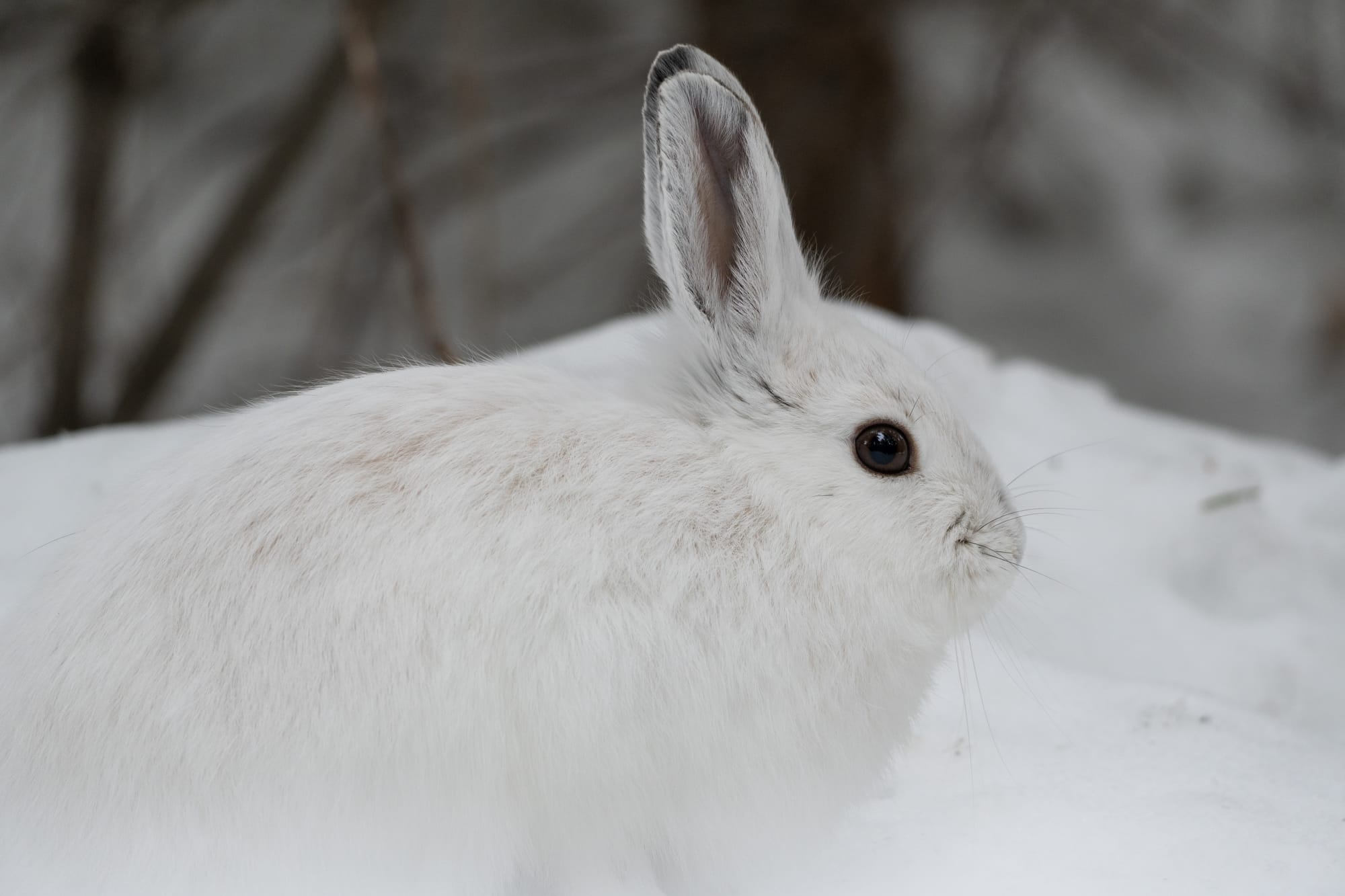
Now that I live in an area where snowshoe hares are common, I've finally gotten to see a pure white snowshoe hare, but even after years of looking, I've only seen them a few times. Could it be because they're so well camouflaged that I ski right past them without realizing they're there?

Virtually every bird and mammal that lives year-round at northern latitudes molts its feathers or fur before the winter season, adding up to 50% more feathers or hair in preparation for cold temperatures, then shedding them in the spring. Triggered by changes in day length, some species also use this occasion to turn white in winter and a darker color in summer.
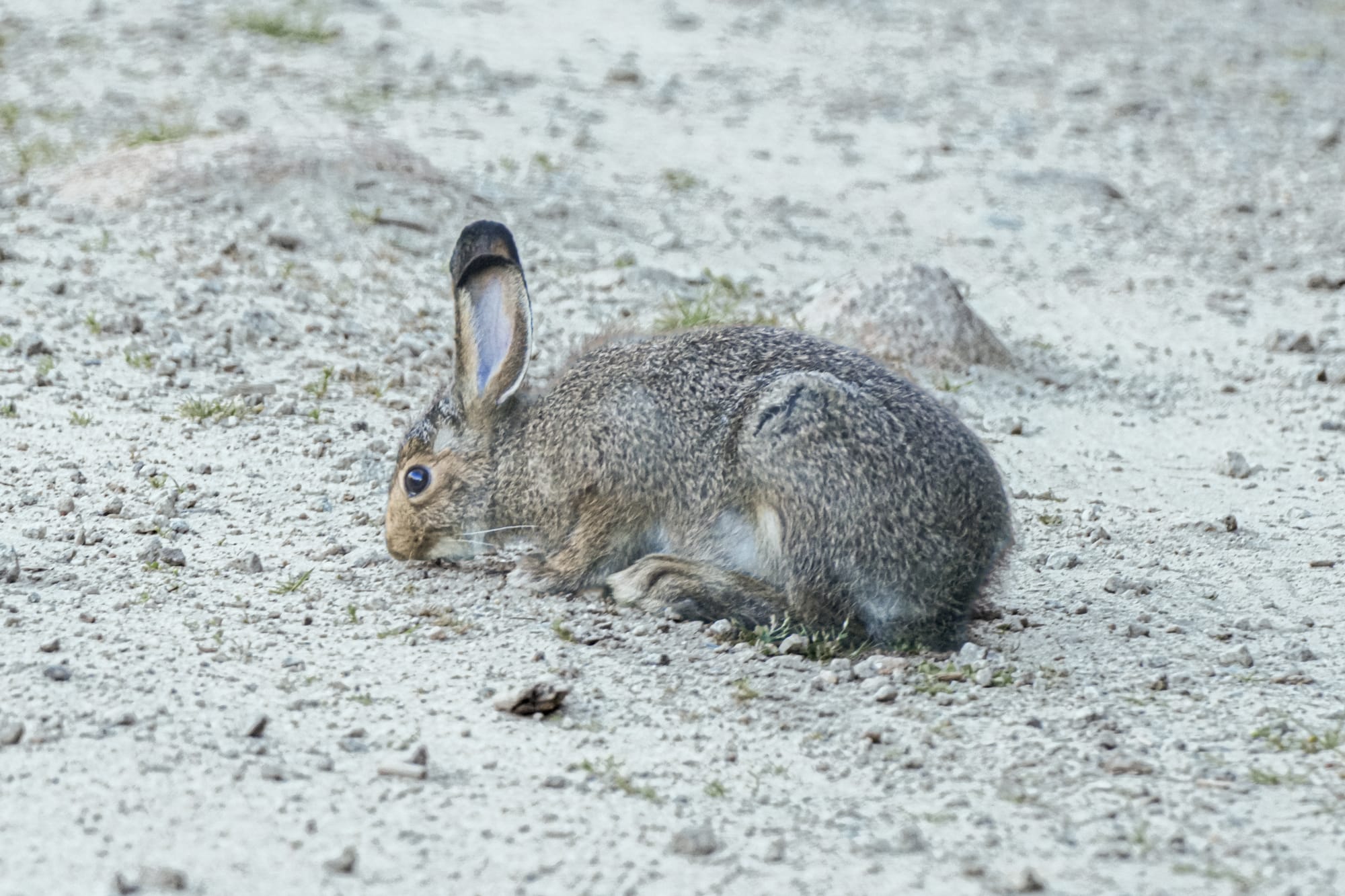
It seems obvious that one advantage of turning white in the winter is that you're almost invisible in a snow-covered landscape, which would matter for predators sneaking up on prey and for prey trying to hide. But if you look more closely at the animals that turn white, including snowshoe hares, arctic hares, arctic foxes, weasels, and ptarmigan, you'll find numerous exceptions that call this explanation into question.
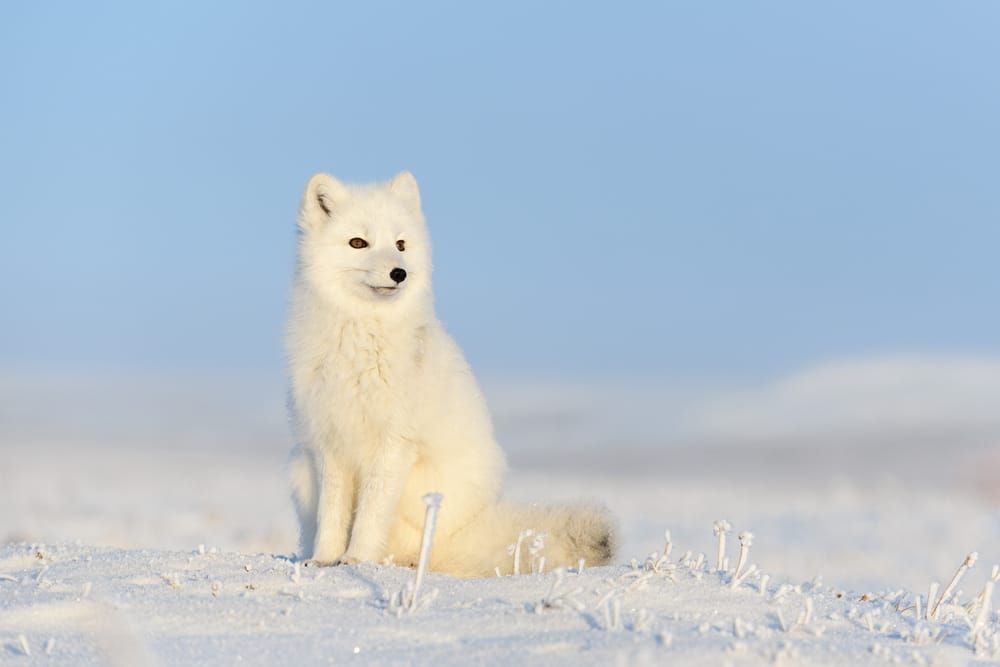
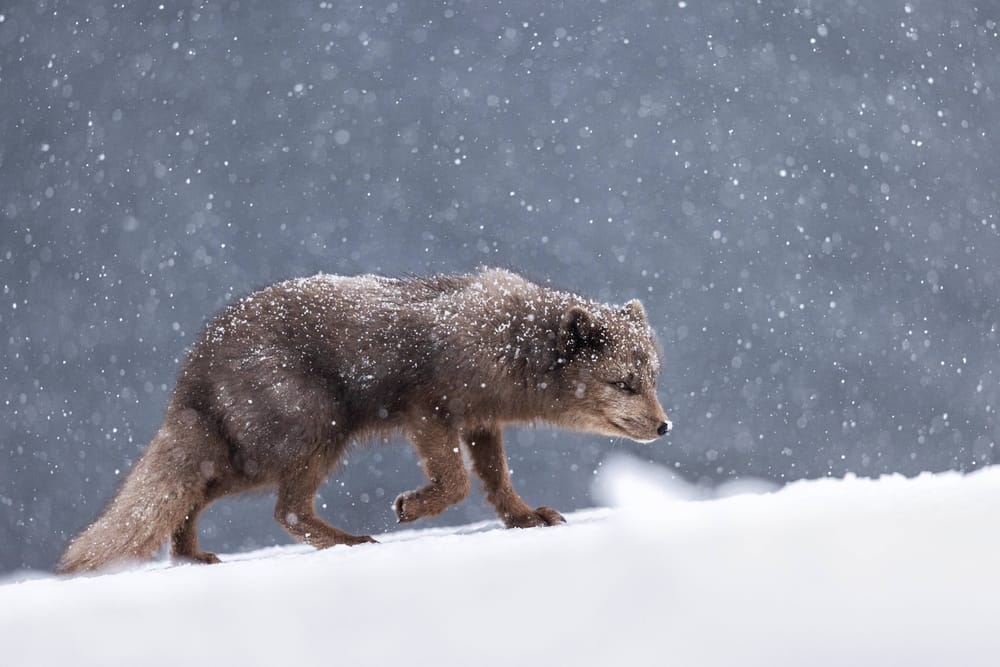
Consider the arctic fox, one of the most abundant carnivores in the Far North. If these predators wanted to hide, then why do the animals in some populations remain a dark color all winter? And why do red foxes in the same areas never turn white? It's also true that arctic foxes get most of their winter food by scavenging at polar bear kills or catching small rodents under the snow, so there's no reason why they'd need white colors to hide.
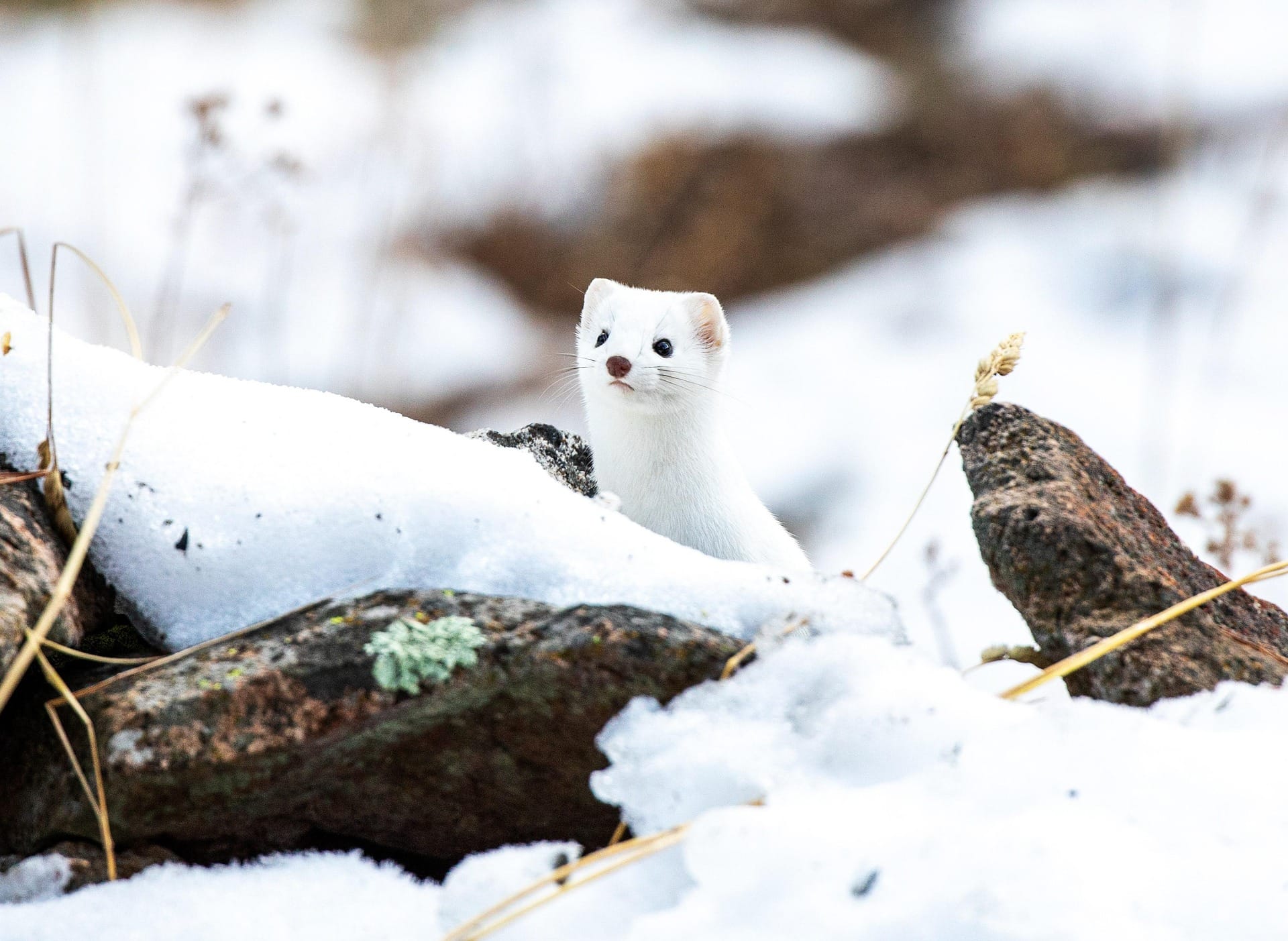
And how about weasels? They find all their winter food in dark burrows, so they don't need white colors to hide either. Or how about snowshoe hares on Ellesmere Island in the Canadian Arctic, who remain pure white even in the summer, when there's no snow on the ground?
Exceptions like these ask for another explanation and one hypothesis is that white colors are formed by removing the granular pigments that produce brown and black colors in summer. This leaves hollow spaces inside feathers and hairs that could trap heat and provide better insulation. While this is an elegant and widely shared hypothesis, there seems to be little science in support of this idea.
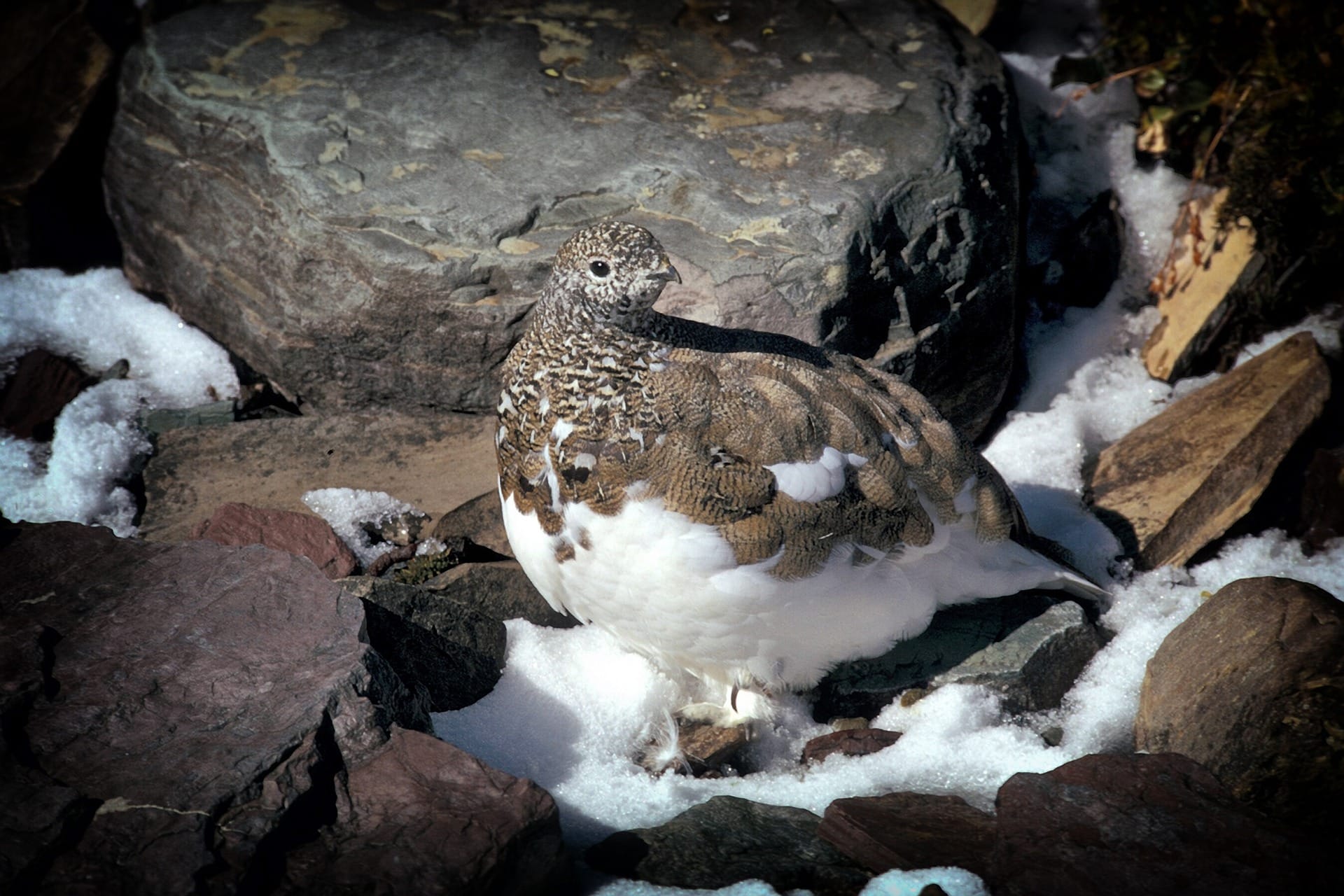
There are so many animals turning white in the winter that there is obviously some benefit to this color. The reasons may not be clear to us, and it may be a combination of factors, but one thing is clear: The loss of snow cover and a growing mismatch between winter conditions and daylength leaves white animals vulnerable as soon as the snow melts.
One of the few studies on seasonal mismatch found that snowshoe hares that don't match the color of their background have a 10% lower survival rate because they stick out like sore thumbs, and this is almost certainly a big deal for many other animals that turn white in the winter.
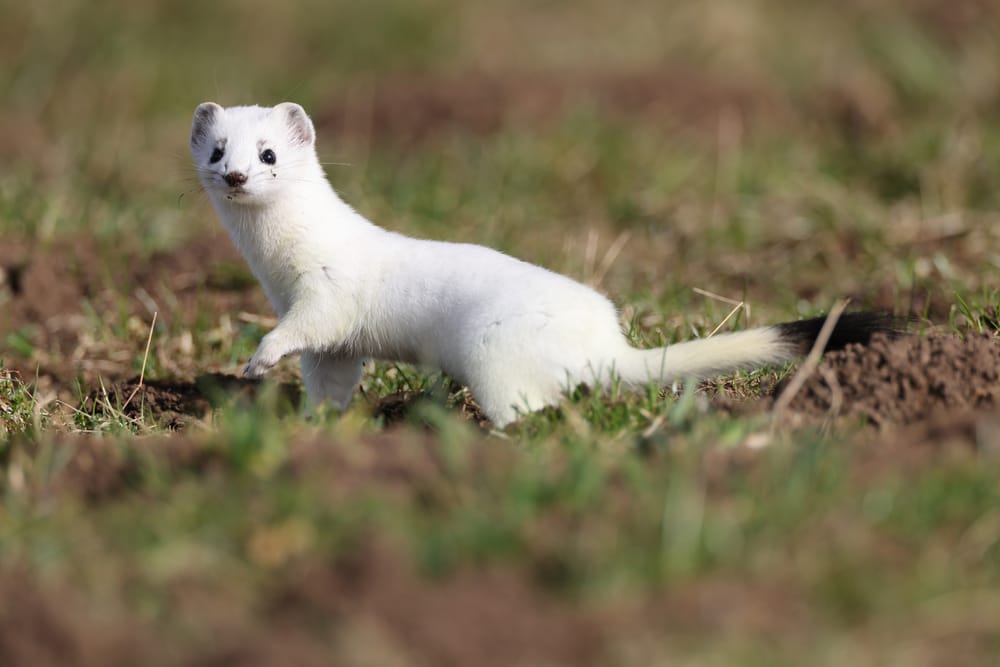
Despite 100 years of speculation and research, we still don't know why animals turn white or how these animals might fare in a changing climate. I simply find it fascinating that stories like this are still hiding in plain sight.

Member discussion