Frog Jelly
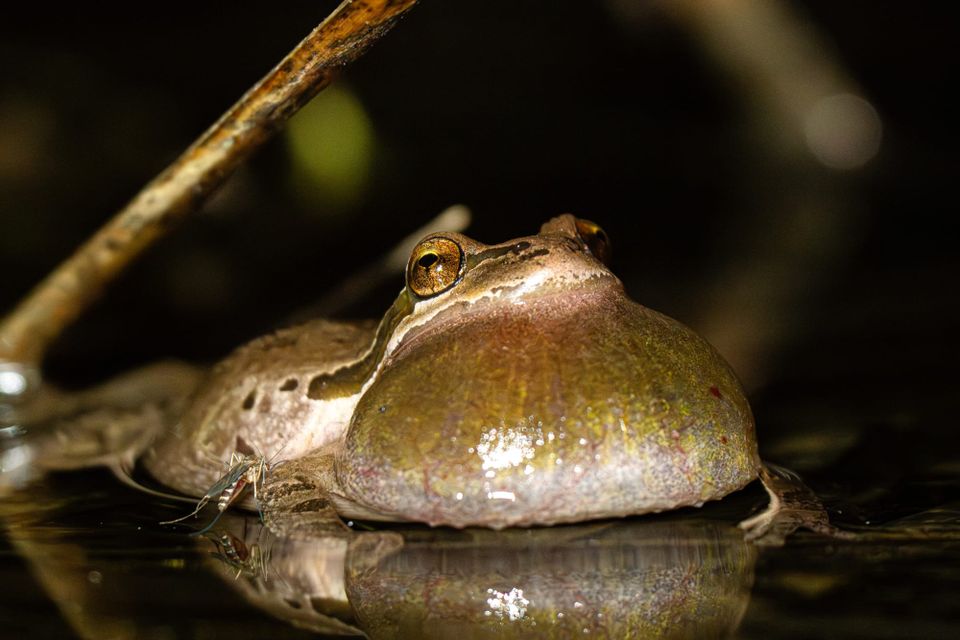
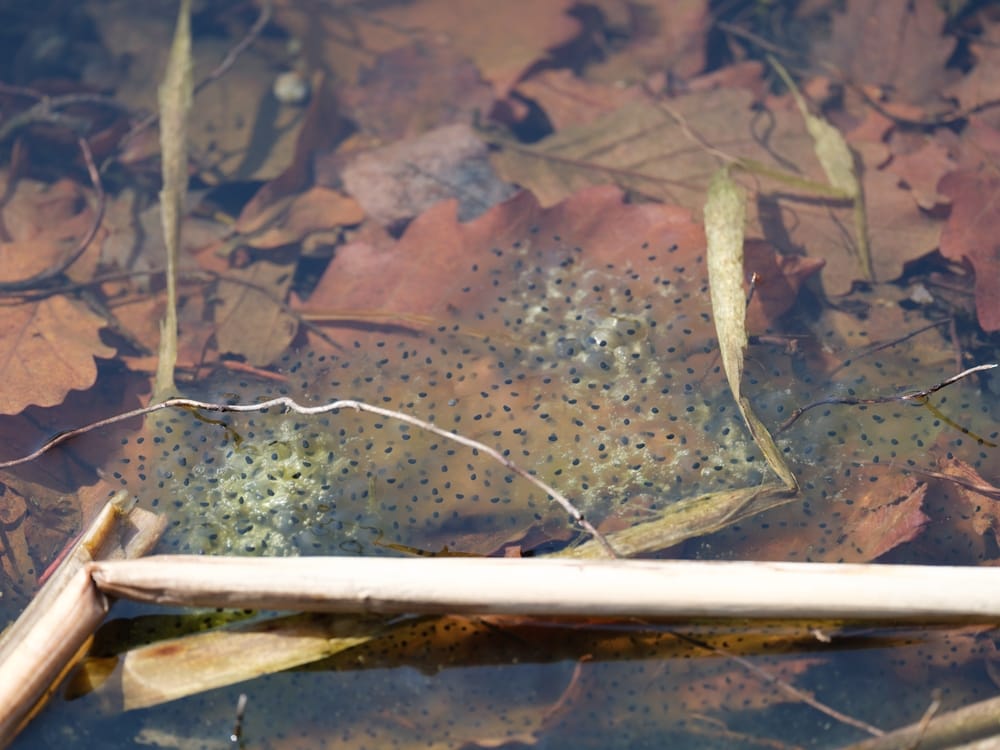
What starts as loud croaking at night ends up as masses of jelly floating in ponds in the morning. We know these are frog eggs, but what's up with all the jelly?
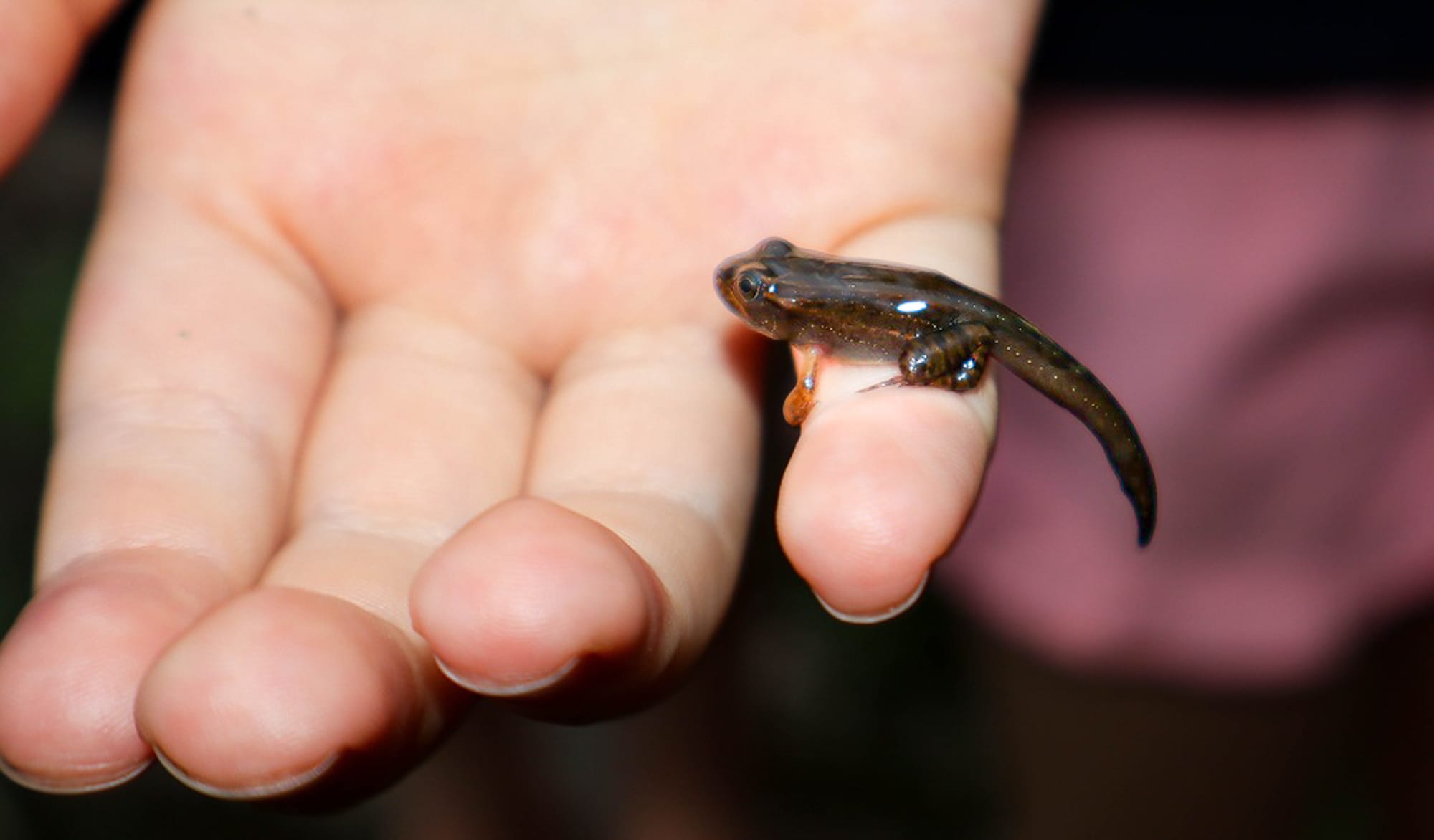
As a devoted frog nerd, I spent much of my childhood mucking around the edges of ponds and marshes in search of frog eggs, many of which I took home and raised in aquariums. At that time, my focus was on studying how tadpoles grew into froglets and toadlets, so I ignored the masses of jelly except when they helped me identify a species.
But it turns out that frog jelly, also known as frogspawn, is a complex and poorly understood material that bears closer examination.

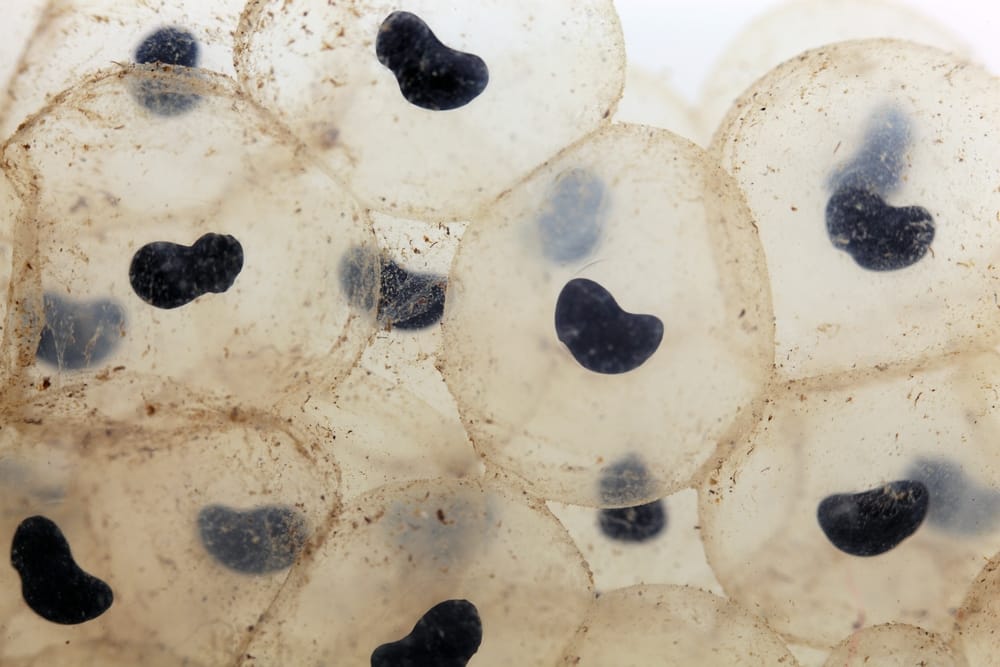
Perhaps you've experienced frog jelly yourself. It's an astonishing substance to touch (though best done with care to prevent harm to the embryos inside) and you'll immediately notice that it's an oddly rubbery, watery, sticky, elastic, and tough material with a polka dot appearance from all the eggs growing inside.
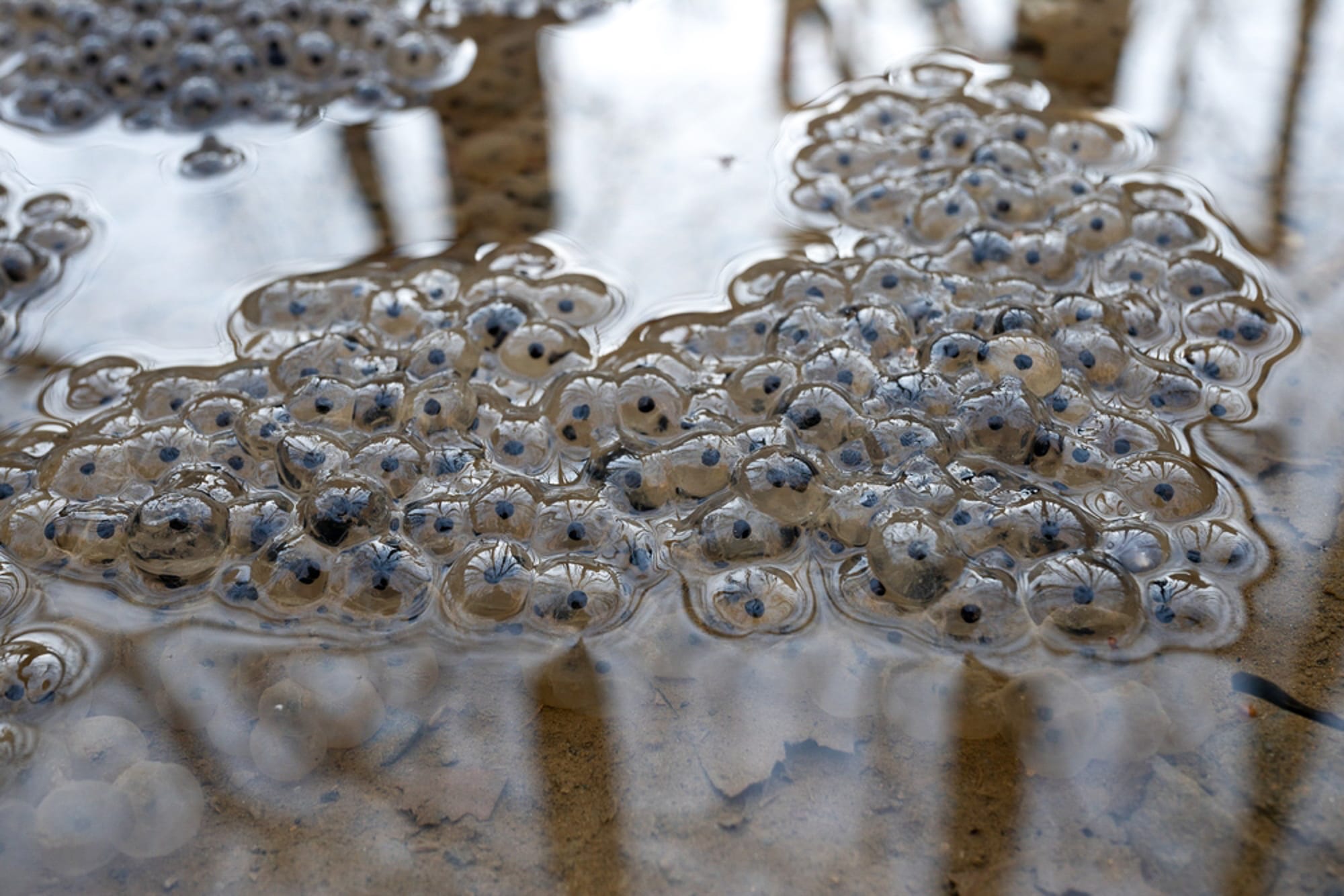
Contrary to popular belief, frog jelly is not applied to eggs after they're laid; the jelly is actually added in layers as eggs pass down the mother's oviduct. Then, as soon as eggs enter the water, layers of jelly dramatically expand to create egg masses that can be many times the size of the female.
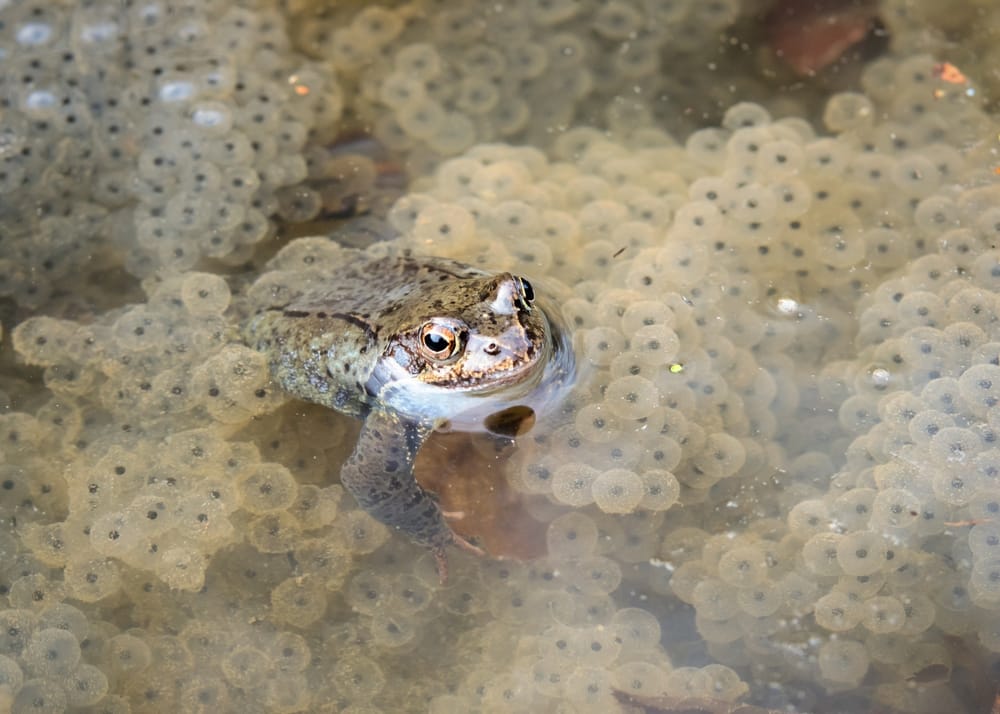
Composed of glycoproteins (proteins bonded with sugars) and polysaccharides, frog jellies may all look the same, but they are in fact highly variable. The composition and thickness of the jelly, including how many layers are present, varies significantly between species in response to their reproductive strategies and the environmental conditions they face.
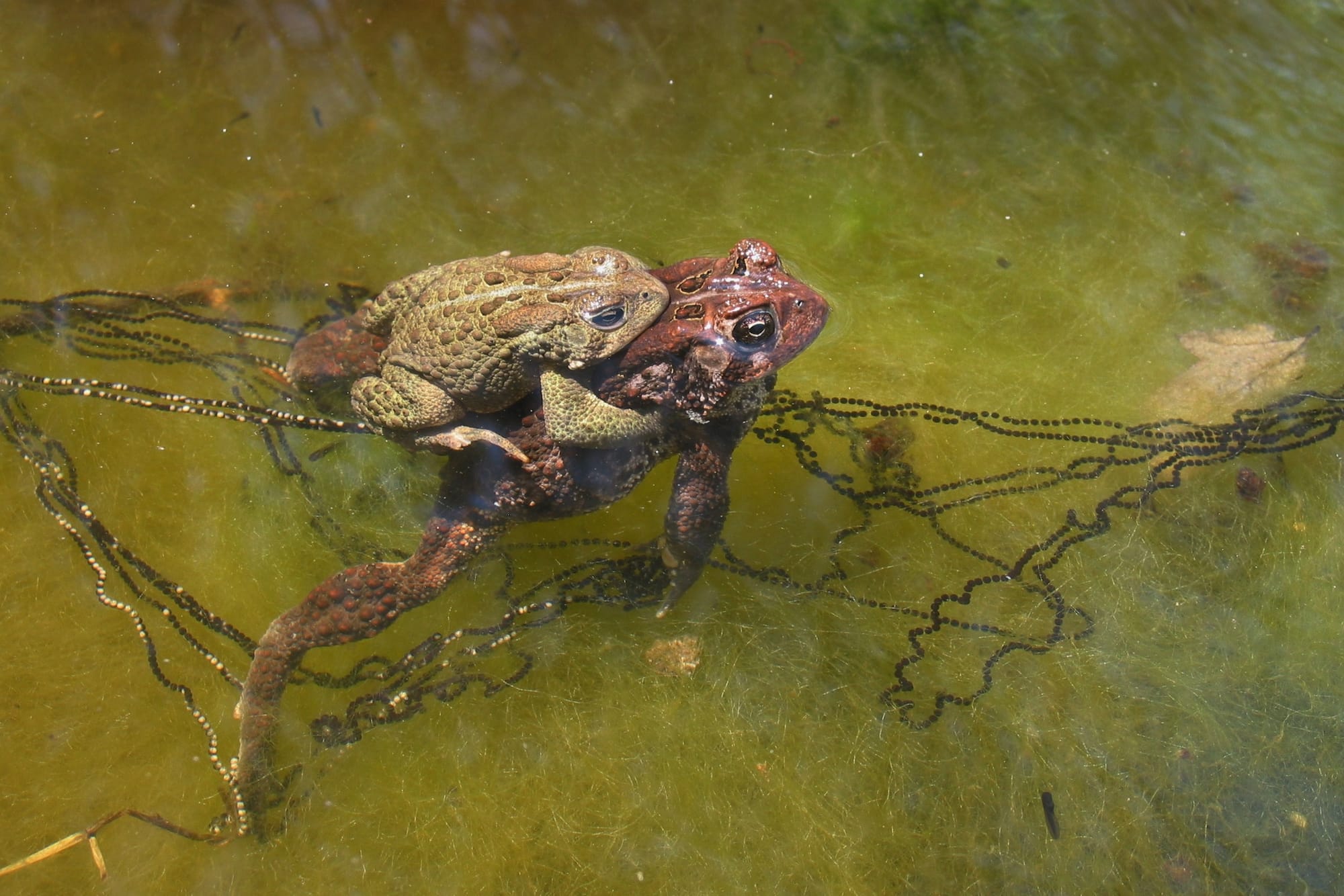
This matters because each species and each population of frogs and toads encounters different conditions, so their eggs and jelly coatings need to be uniquely modified for each situation. Maybe one breeding pond is warm while a nearby breeding pond is cold, or one population has to deal with hot, dry conditions in California while another population of the same species faces cool, rainy days in the Pacific Northwest.
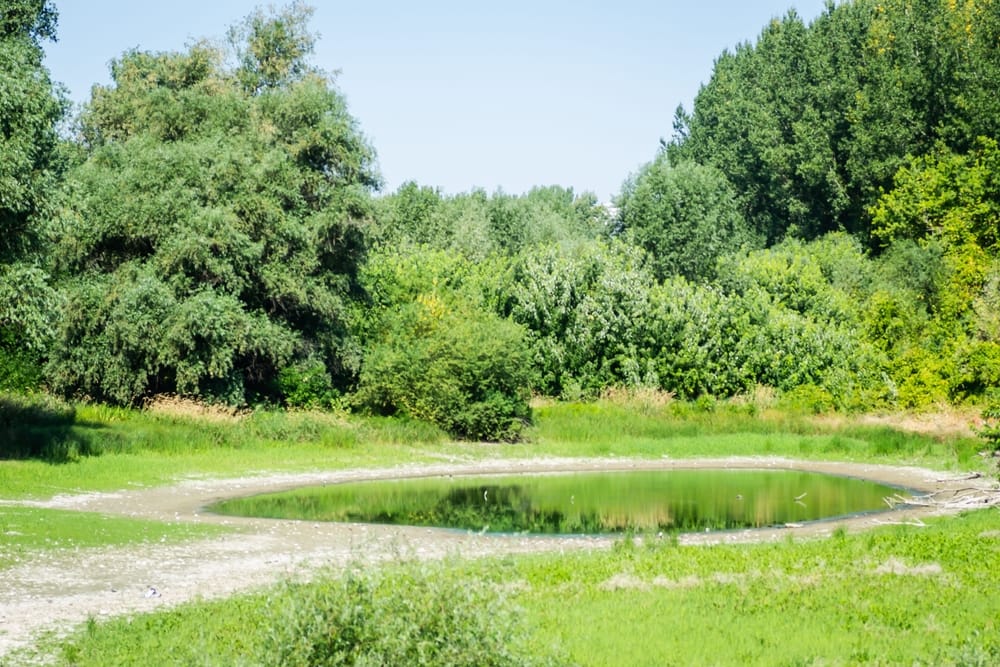
Frog jelly absorbs water that protects the larvae. And, in some cases, this stored water can keep developing embryos alive for up to two weeks if a pond dries up between heavy rains. The fluid-filled capsules also allow embryos to spin and keep their heads upright if an egg mass moves in the water.
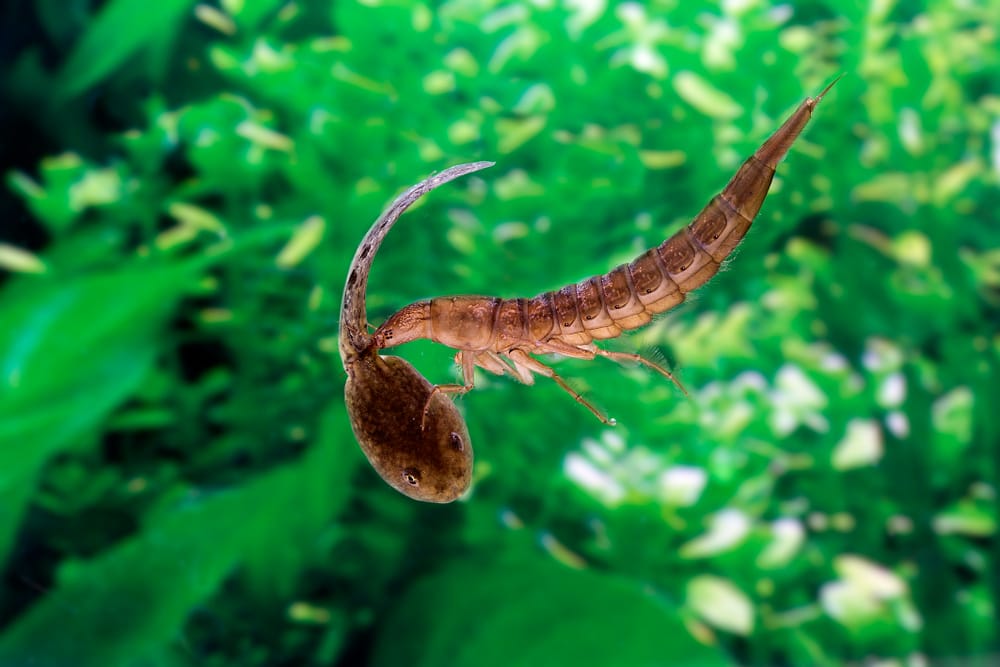
And the jiggly jelly absorbs vibrations and protects vulnerable embryos from physical shocks, including potential attacks by predators and parasites.
Critically, frog jellies commonly contain melanin pigments that help shield vulnerable embryos from ultraviolet rays, and at the same time, the concentric layers of jelly trap and hold the sun's warmth. As a result, egg masses can be 7-11 degrees F warmer than the surrounding water, which helps eggs develop faster, and in colder waters may mean the difference between life and death.
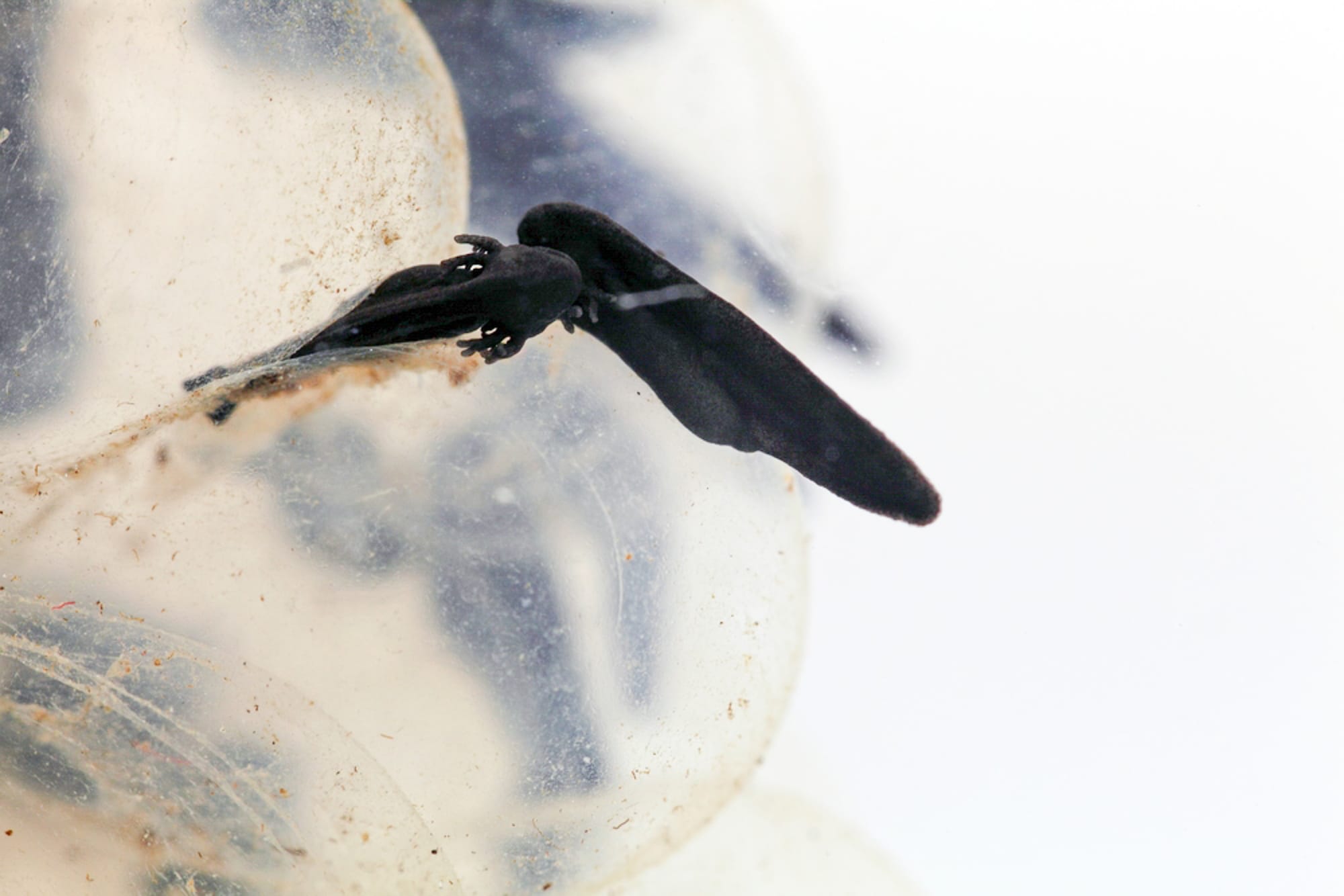
Ultimately, developing embryos spend little time inside their jelly capsules (typically 3-25 days) because they need to get out as soon as possible. Tadpoles grow phenomenally fast, so they need to begin grazing on algae as soon as they can free themselves and begin moving independently—but let's save that topic for another day.

Member discussion