First Flush Phenomenon
I confess that I find many of my best newsletter topics based on intriguing phrases and terms. I love the way that clever wordplay can help us see the world in a new light, and what starts as curiosity about a unique phrase often leads me into stories about the natural world that are utterly new to me.
Today's newsletter is a perfect example of this.
The first flush phenomenon is a technical term for the impacts of the first big rainfall of the season. It's a clever name, and the timing of today's topic is perfect because, even as I write, much of Washington, where I live, is experiencing catastrophic rainfall and flooding.
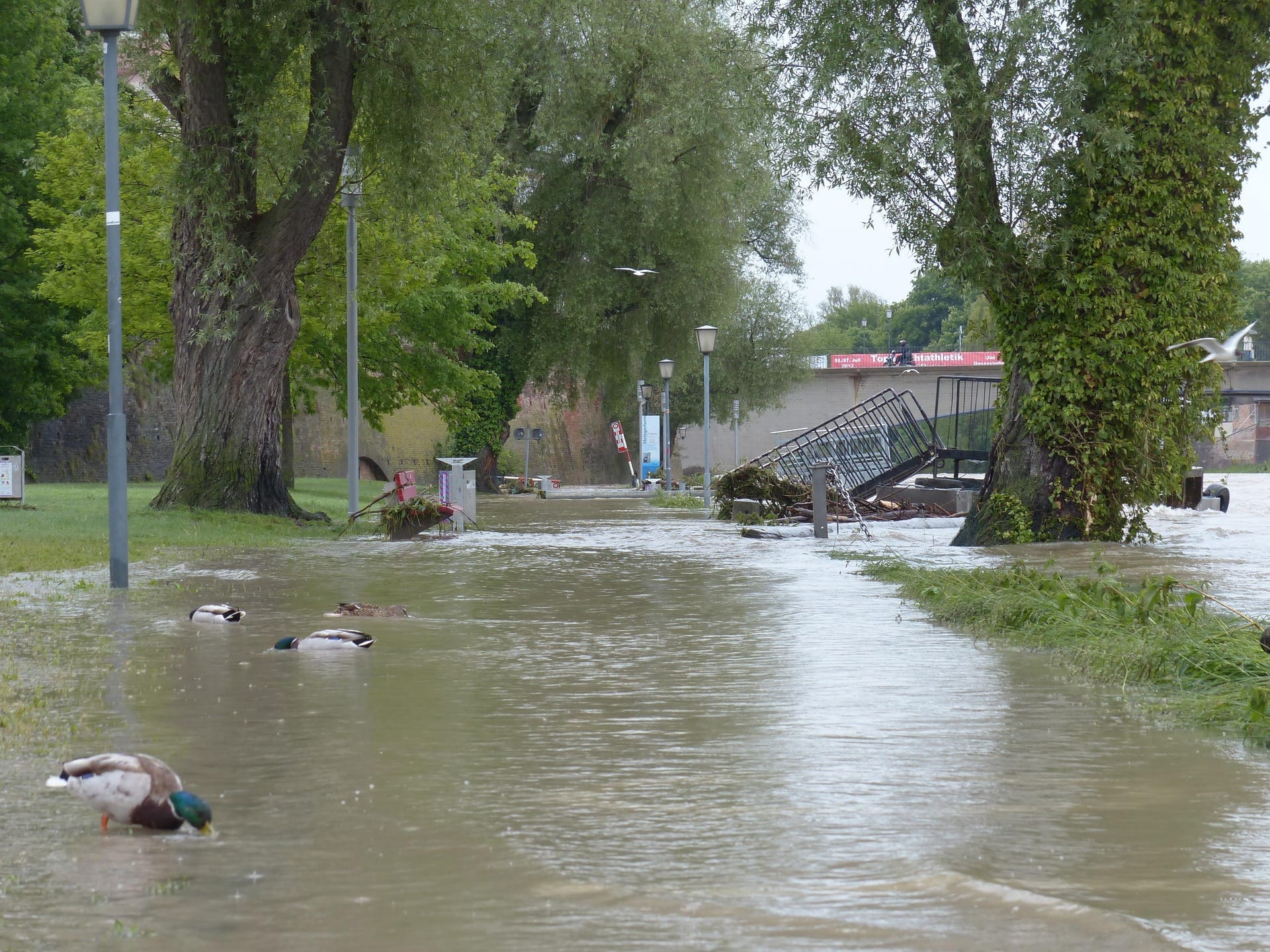
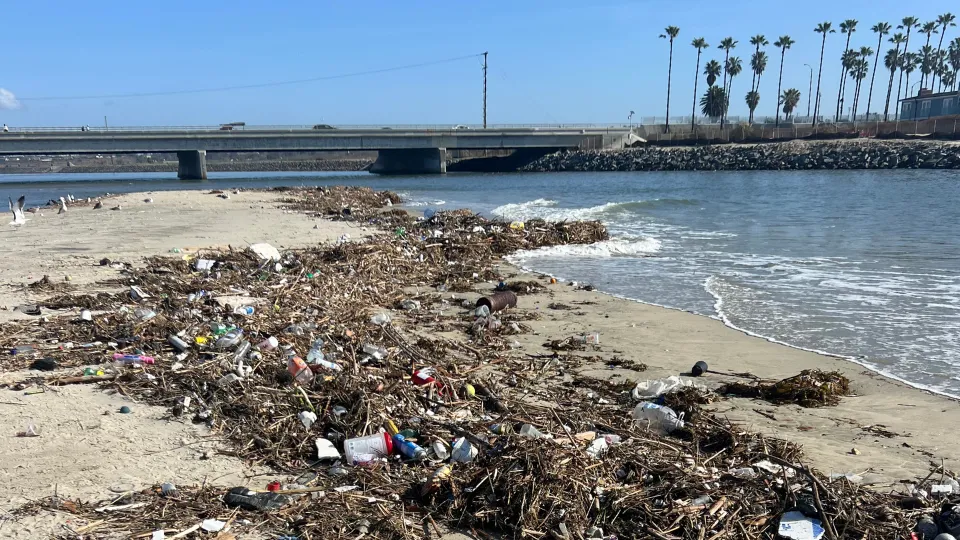
However, used in its correct, technical sense, this term refers to the flush of pollution and sewage that gets washed into streams and lakes in the early moments of the first big rainfall.
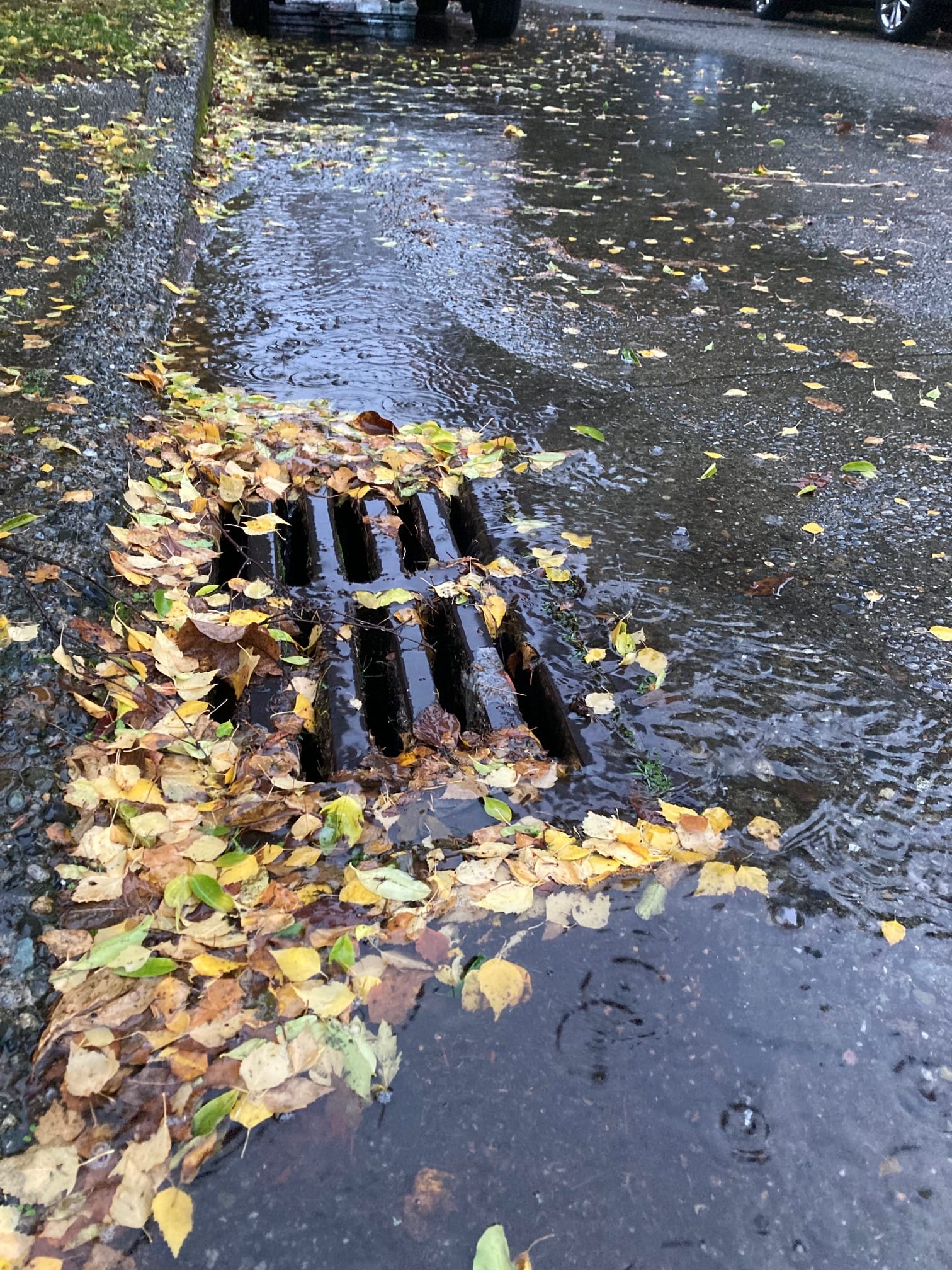
As I started researching this topic, I found myself wading through EPA documents and industrial runoff reports. It was sobering to discover how much pollution washes off houses, lawns, and pavement, or spills out of overflowing sewage pipes. This doesn't even count the absolutely insane amounts of highly toxic 6PPD-quinone washing off impervious road surfaces in the form of tire dust [I wrote about this in an earlier newsletter when I learned that a car produces 1 trillion nanoparticles of tire dust for every half mile you drive.]
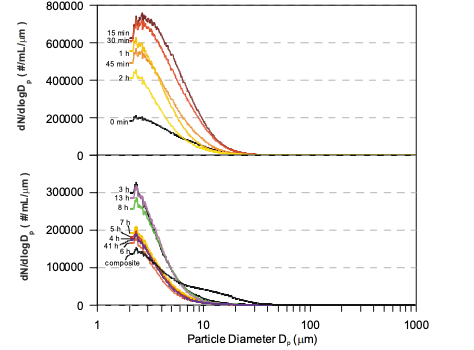
I usually try to avoid depressing environmental stories, so I was about to give up on this topic until I dug a bit deeper. It turns out there might be a different way of using this term, because what happens with heavy rainfall and pollution in cities also happens in natural ecosystems, but with very different consequences.

Think of it this way: when heavy rain occurs in cities, suburbs, and agricultural landscapes, it flushes enormous amounts of oils, fertilizers, pesticides, and other pollutants into waterways. Many of these compounds are nitrogen- or sulfur-based aliphatic compounds that are often toxic. Many of these compounds are also broken down so rapidly by microorganisms that they deplete dissolved oxygen and create anoxic conditions in waterways.
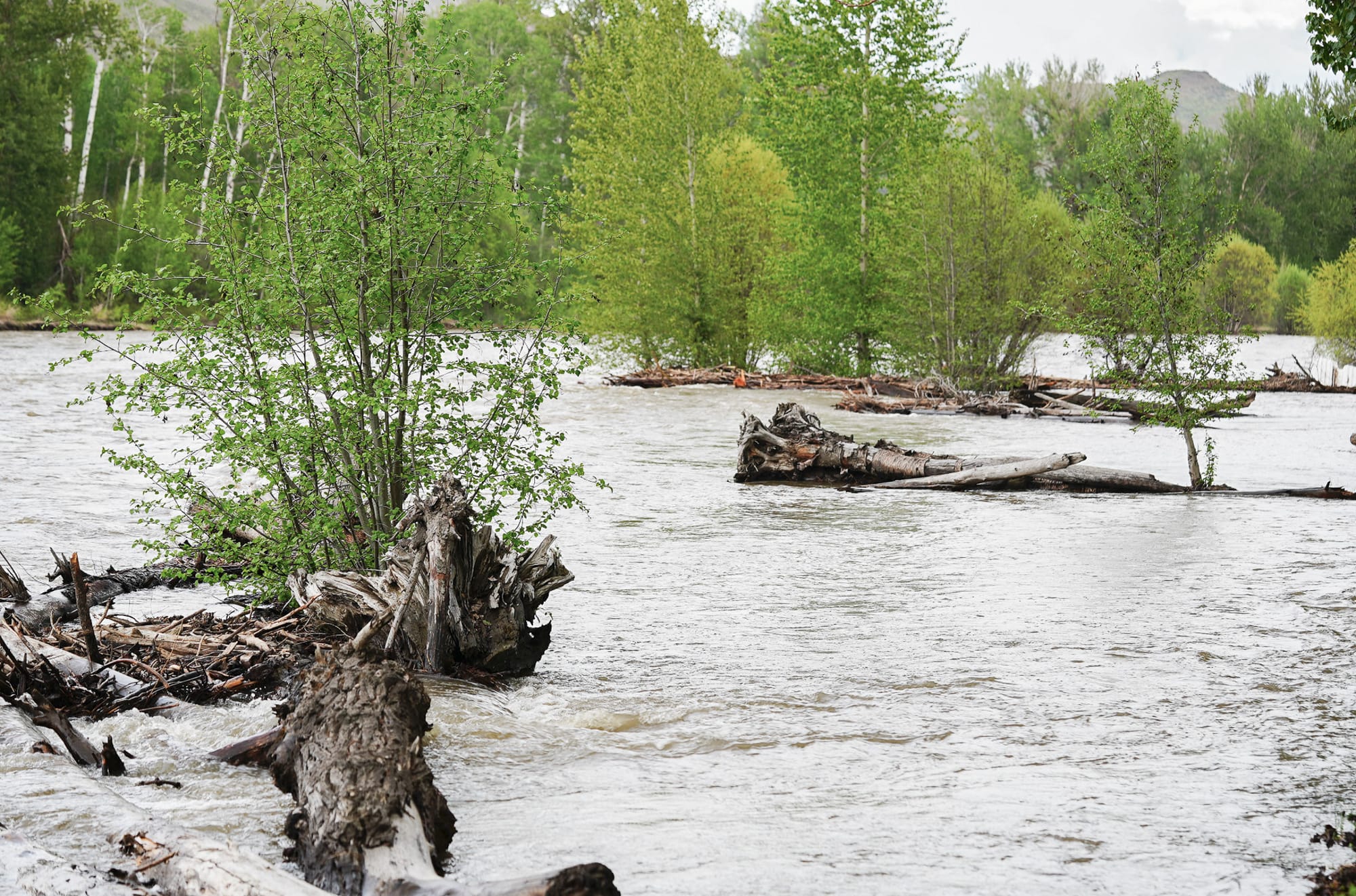
On the other hand, heavy rainfall in natural environments produces an entirely different kind of "first flush." Organic matter that is washed off leaves and out of the soil is characterized by having high levels of aromatic and carboxylated lipid ring compounds (fatty compounds that play significant roles as chemical messengers in animal bodies and gatekeepers of biological membranes). And these compounds are more likely to be slowly broken down by sunlight rather than quickly assimilated by microorganisms, so they don't deplete oxygen levels when they're washed into water.
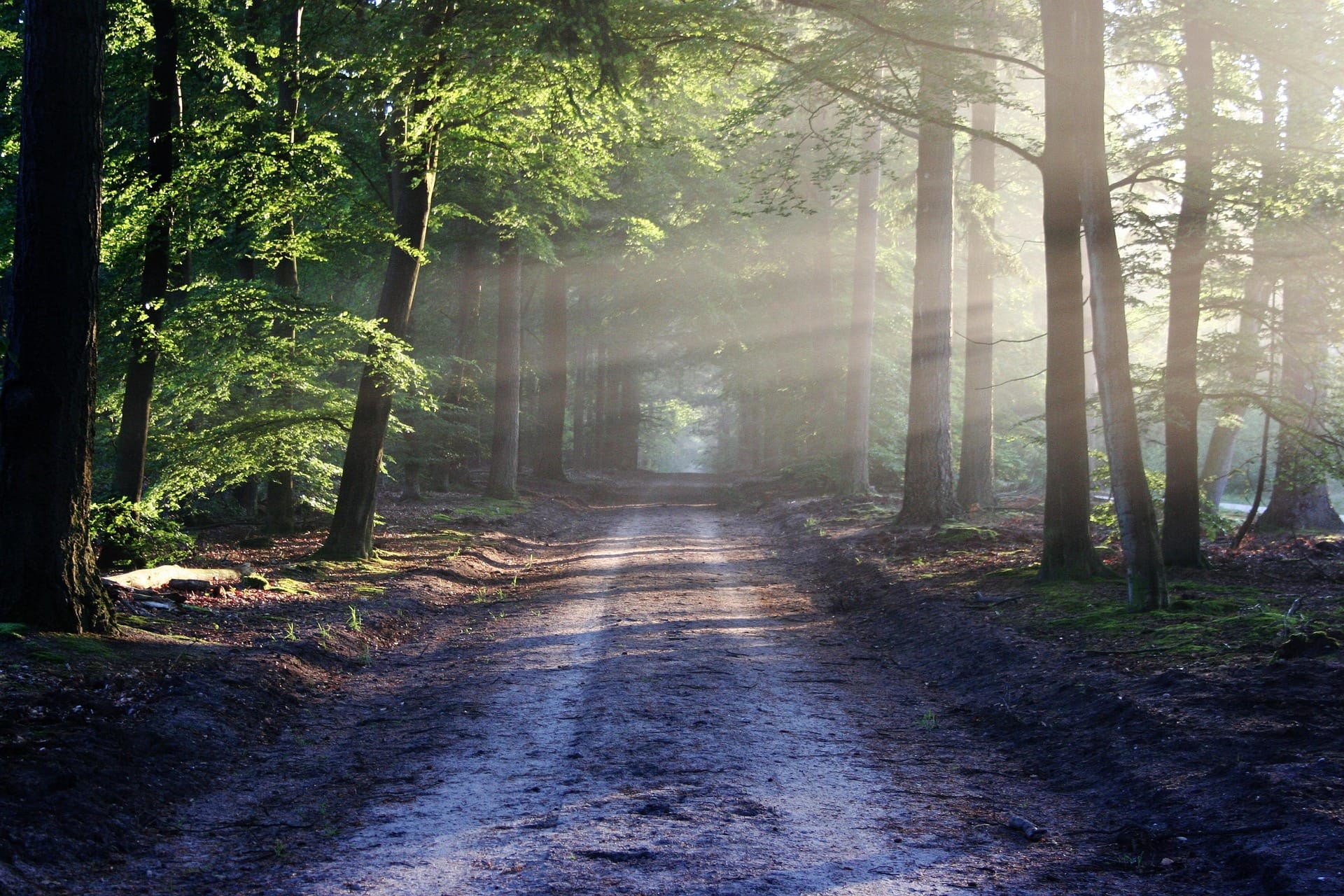
That's all a bit technical, so let's instead think of nature's first flush as a felt experience. When heavy rains approach, you'll first smell the sweet odors of ozone as lightning splits nitrogen and oxygen into separate atoms. Then, as rain starts falling, it releases the fatty acids, oils, and alcohols that formed when decaying organic matter attached to rock and soil surfaces during dry weather. This produces the distinctive (and much-loved) earthy smell known as petrichor.
We smell petrichor because raindrops flatten out when they strike porous surfaces (versus bouncing off of impervious surfaces like concrete). As the raindrop flattens, air in the soil absorbs into the raindrop, then pops like the carbonation in a fizzy soda. As each air bubble bursts, it launches aerosols into the air that can linger for days or weeks and be carried for thousands of miles, with significant impacts on the global climate.
This short video introduces another fantastic term: the raindrop mechanism.
There's so much more to this story than I can cover today, but the key takeaway for me is that this is one fun way to broaden our sense of a rather depressing technical term. When I experience a heavy rainfall, I'd rather think of the first flush as all those smells and organic particulates being released, not to mention all those leaves (what I called "fallen angels" in a recent newsletter) being washed into lakes and rivers to feed webs of life.
Member discussion