Empty Calories
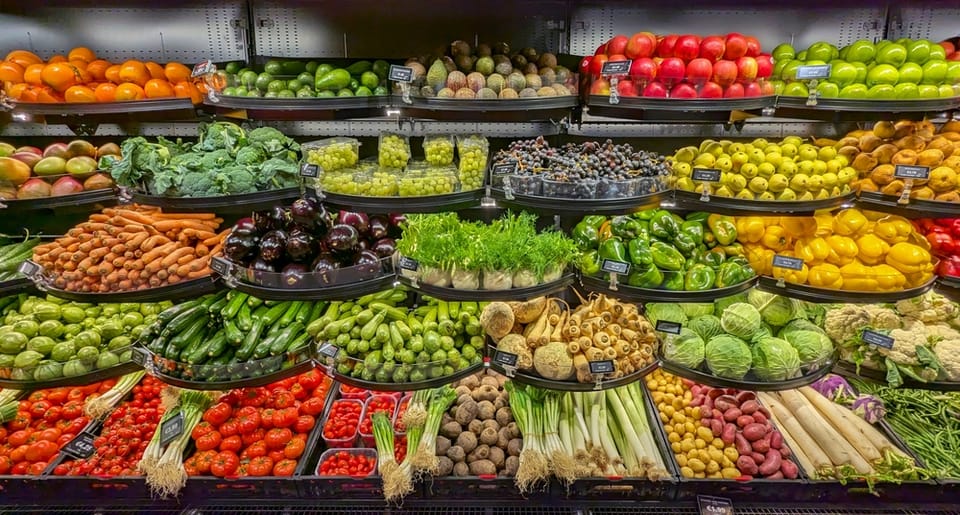
Did you know that the nutritional content of our food has declined so much in recent decades that it's like trading your kale salad for a bowl of iceberg lettuce?
All plants are food, not only for humans but for every animal on Earth, and the basic life cycle of plants is so straightforward that we tend to take plants for granted: you put seeds in the soil, add water and sunlight, and you get healthy, nutritious plants.

Sadly, this tale of goodness has shifted so dramatically in recent decades that one writer speaks of a "green desert," and this is a huge story with profound implications.
Across the board, nearly all fruits, vegetables, and grains have lost significant nutritional value as their levels of micronutrients have plummeted. The situation is so dramatic that more than two billion people now suffer from micronutrient deficiency, though it's more accurate to say that the vast majority of people on Earth, even in wealthy countries, are now facing this dilemma.

Across a range of crops, overall nutritional density has decreased 25-50% over the past 50-70 years, but the specific numbers are even more troubling because this big picture misses the fact that micronutrients (including potassium, calcium, magnesium, sulfur, iron, manganese, boron, and zinc) are critical for cell membranes, neurological development, brain growth, and countless other animal functions. For example, in one study, grasses had lost 90% of their sodium content, and sodium is vital for the proper functioning of animal brains and muscles.
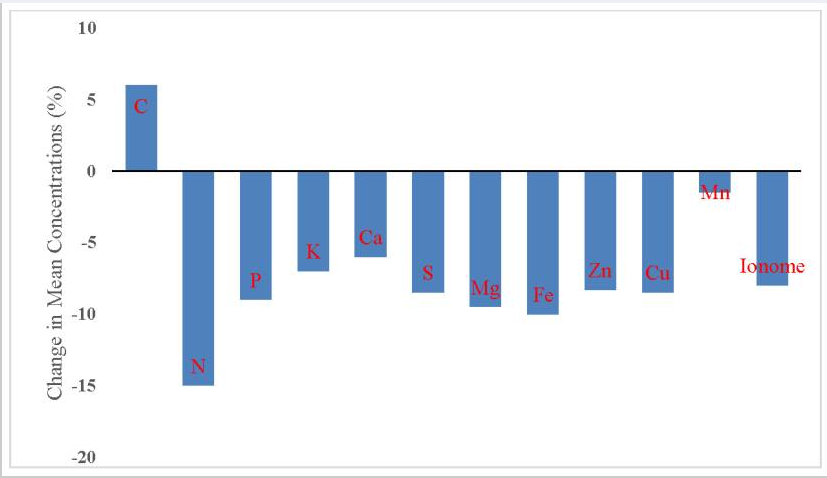
So what's going on here? Many factors are at work, but high on the list is the fact that we've traded nutritious foods for fast-growing, high-yield crops that are sweeter and tastier at the expense of nutritional content. Another factor is that the commercialization of agriculture and the widespread use of fertilizers, pesticides, and herbicides degrades soil health which deprives plants of the nutrients they need.
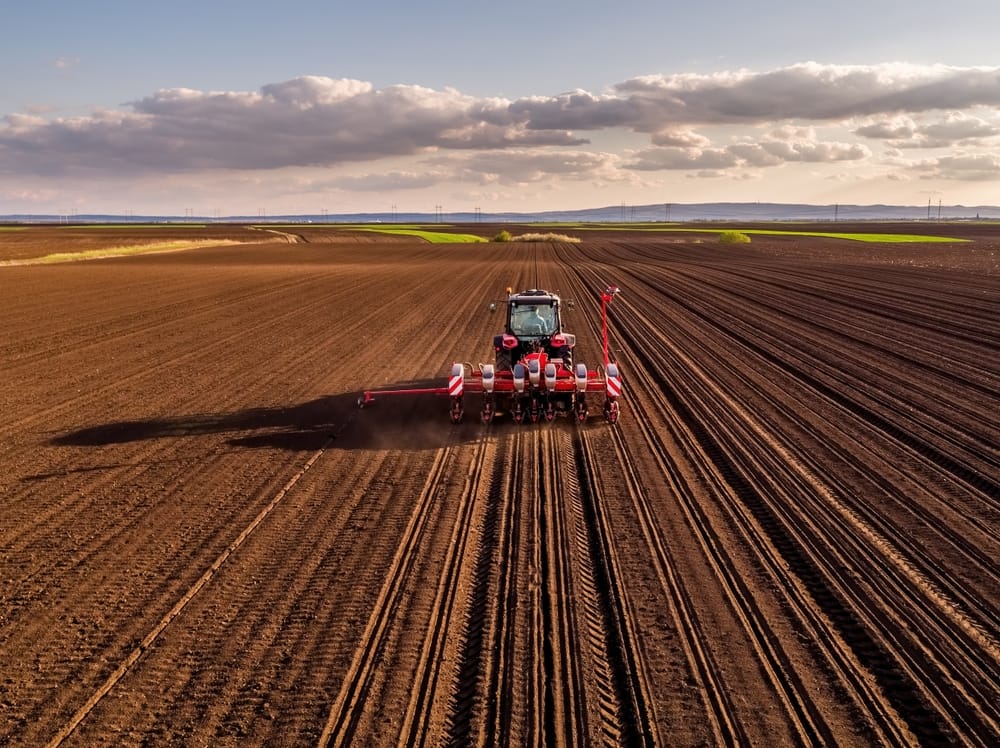
Until 1900, most people ate a wide variety of unique cultivars grown on small-scale organic farms, but our diets are now dominated by a limited range of mass-produced foods with an emphasis on wheat, corn, and rice. For example, rural villagers in India now consume 5500% more wheat than they did 60 years ago, and to one degree or another, these trends are true for most of us.
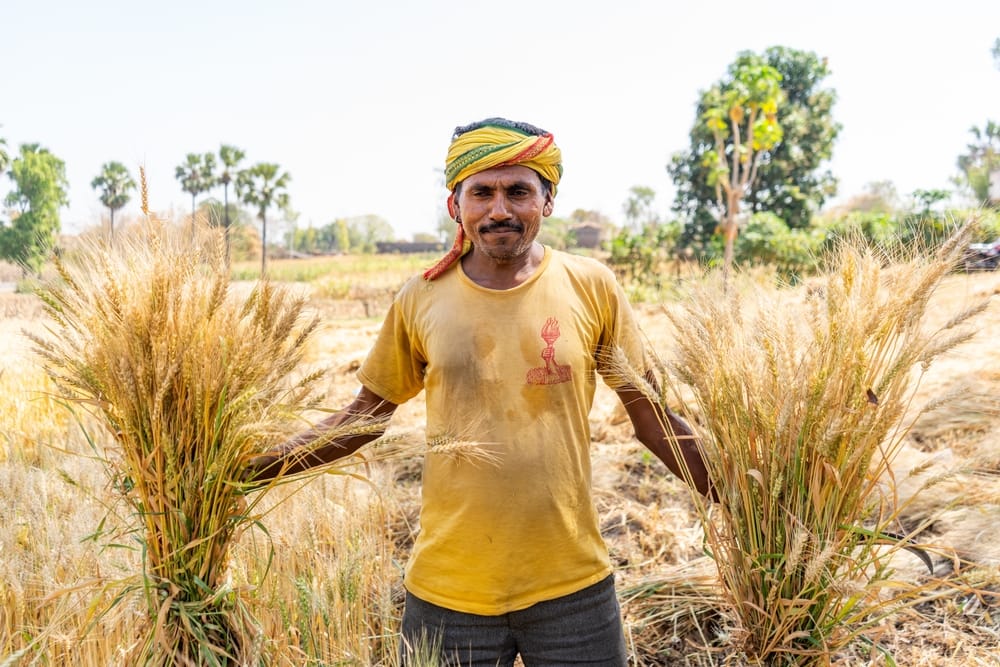
But this is more than a human story about agriculture and food crops, because scientists are discovering that the nutritional content of wild plants everywhere in the world is declining. Think about the impact on humans and extend those same impacts to every animal in the world, and you begin to get a sense of why this matters.

This leads us to a far bigger and more troubling issue. Since the start of the Industrial Revolution in 1750, levels of carbon dioxide in the atmosphere have risen 50% due to human activity.

Carbon provides the chemical framework for life, so this seems like a good thing. When there's more carbon available, plants have more of their basic building blocks, so they grow bigger and faster. For a long time, scientists assumed this was a positive impact, but then they started to realize that bigger plants still contain the same nutritional content because the pool of nutrients in the soil doesn't change.
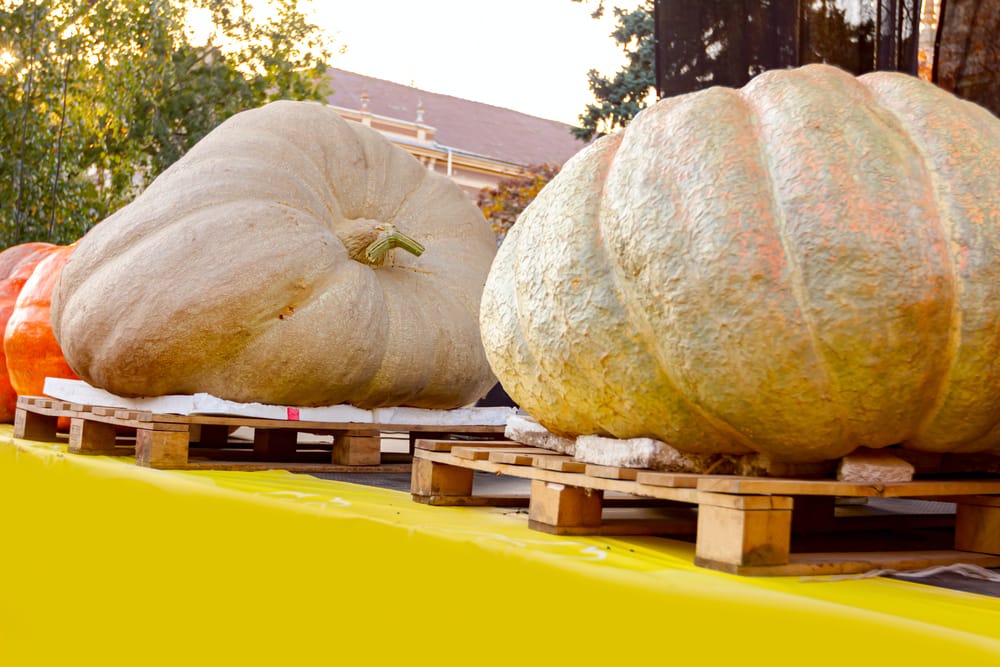
In essence, bigger plants simply spread the same limited nutrients over a larger area, leading to what scientists are calling "nutrition dilution." Plant tissues are already low in nutrients, which means that animals that eat plants struggle to acquire nutrients to produce healthy babies and grow into healthy adults. Now start reducing those nutrients by double digits and think about the compounding impact this has on animals that eat plants (herbivores), or on the animals that eat animals that eat plants (carnivores).

The science on this topic is still in its infancy, but dramatic declines in grasshopper populations have already been linked to nutrition dilution, and evidence from other animal populations is starting to trickle in. I think it's fair to say that we're getting red flags from the green desert.

Further Reading:
If you're interested in learning more, here are two scientific papers that provide many details on this topic. The Invisible Hand of the Periodic Table: How Micronutrients Shape Ecology and An Alarming Decline in the Nutritional Quality of Foods: The Biggest Challenge for Future Generations’ Health. This popular article covering the ecological story is easier to read.


On a completely different topic, you'll recall that I wrote about ice nucleating bacteria in a recent newsletter. I had so much fun with this topic that I spent a few days making a short video to explore the idea further. I hope you enjoy it!

Finally, my friend and fellow newsletterist, David Williams shared his delightful piece to put a smile on your face: Ten Reasons to be an Urban Naturalist.

Member discussion