Bouncing Back with Eagles
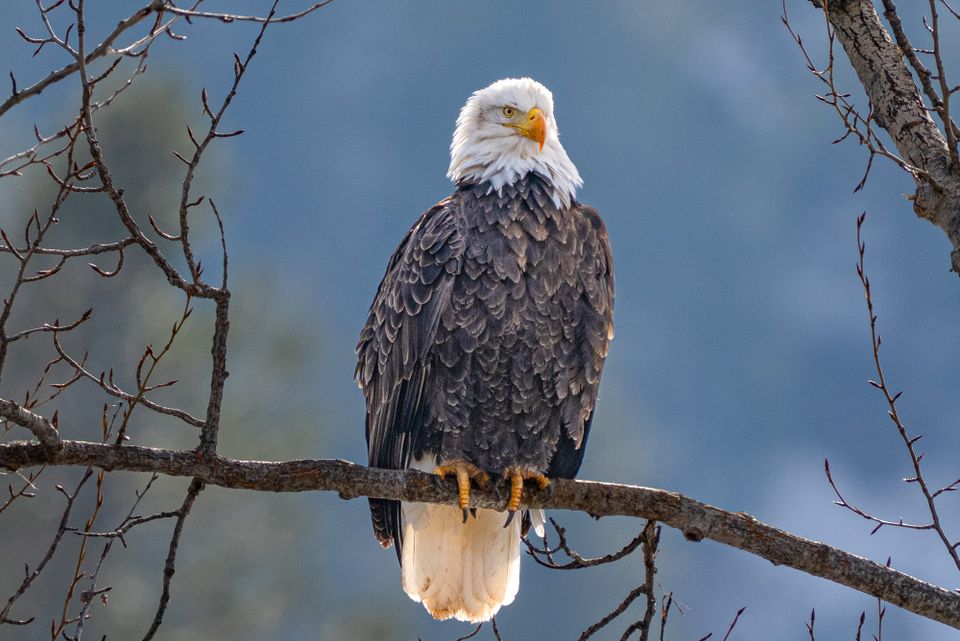
In a time of doom and gloom, bald eagles offer us a ray of hope.
One of the hardest parts of being a naturalist or ecologist, or anyone who loves the natural world, is watching the continuous decline of habitats and animals around you. It can be depressing and overwhelming, but in the midst of this loss, there is one conspicuous ray of light worth celebrating.
Did you know that at their lowest point in the early 1960s, there were just over 400 pairs of nesting bald eagles remaining in the lower 48 states? Pollution and toxic chemicals were having such a significant impact that bald eagles were listed as Endangered in 1978.
I remember when I was growing up on the Oregon coast, that it was an exceptional event to see a bald eagle. And when I say exceptional, I mean that you'd be lucky to see a single eagle in any given year!
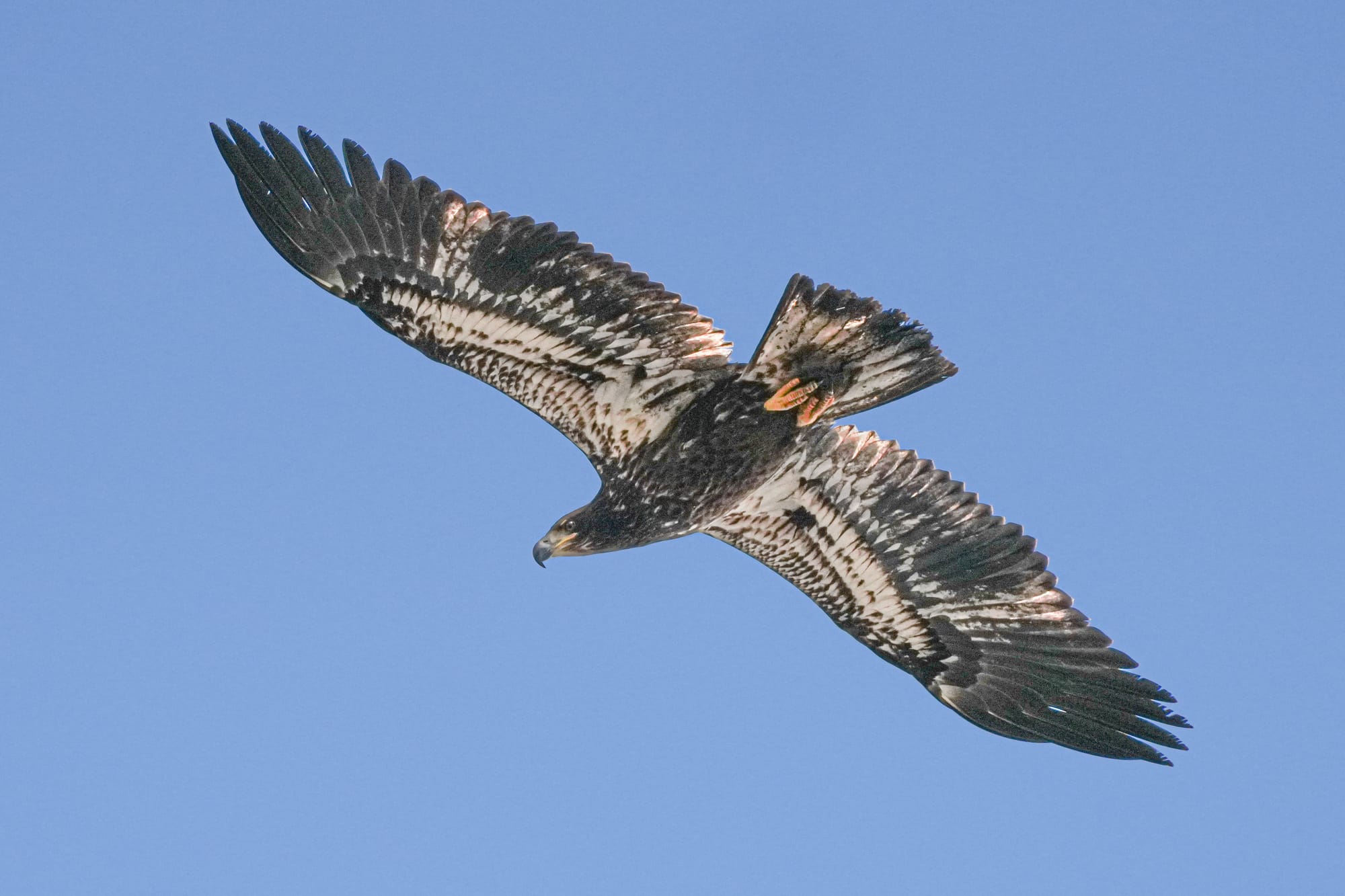
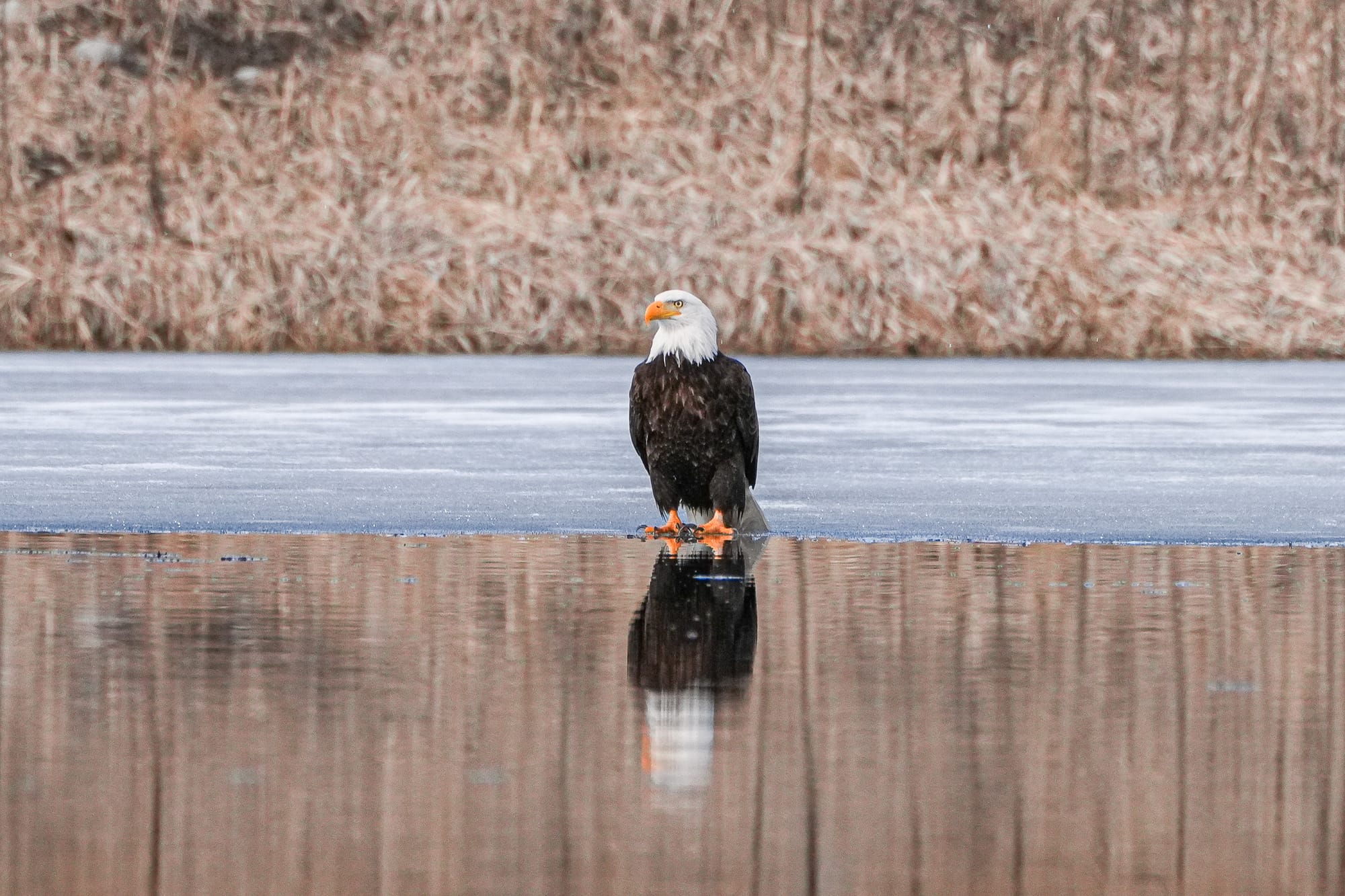
Boy oh boy, have times changed! There are now well over 300,000 bald eagles and over 71,000 nesting pairs in the continental United States alone. These days, it's a common, almost everyday occurrence to see bald eagles. In fact, at this moment, there are three bald eagle nests within a mile of my house, and I see them dozens of times a day.
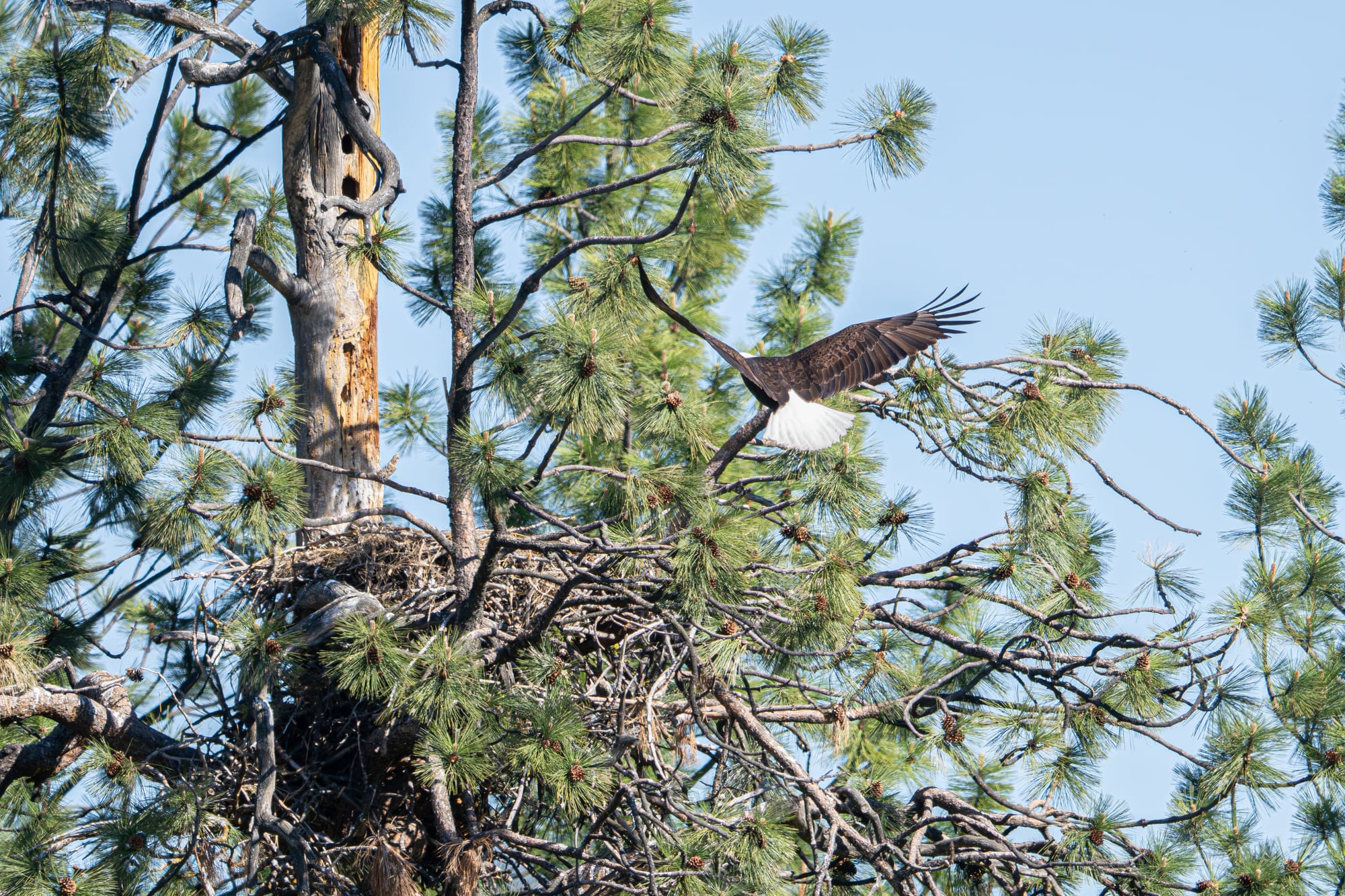
We can be thankful that one big reason why bald eagles have recovered so well is that some of the toxic chemicals impacting them are now banned or restricted. Thankfully, levels of DDT, DDE, PCBs, and dioxins in the environment have declined significantly, but it doesn't mean that we're out of the woods yet.
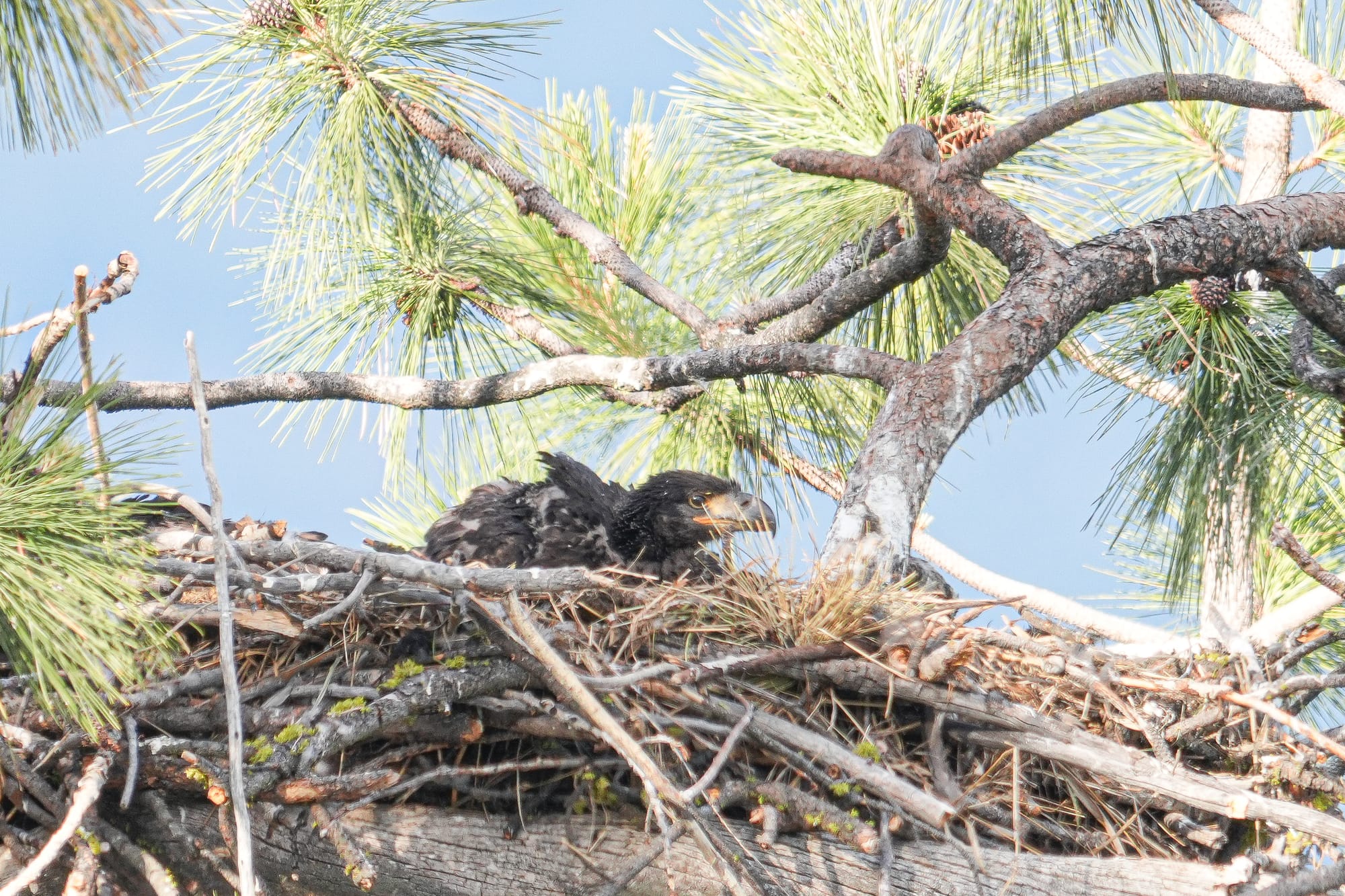
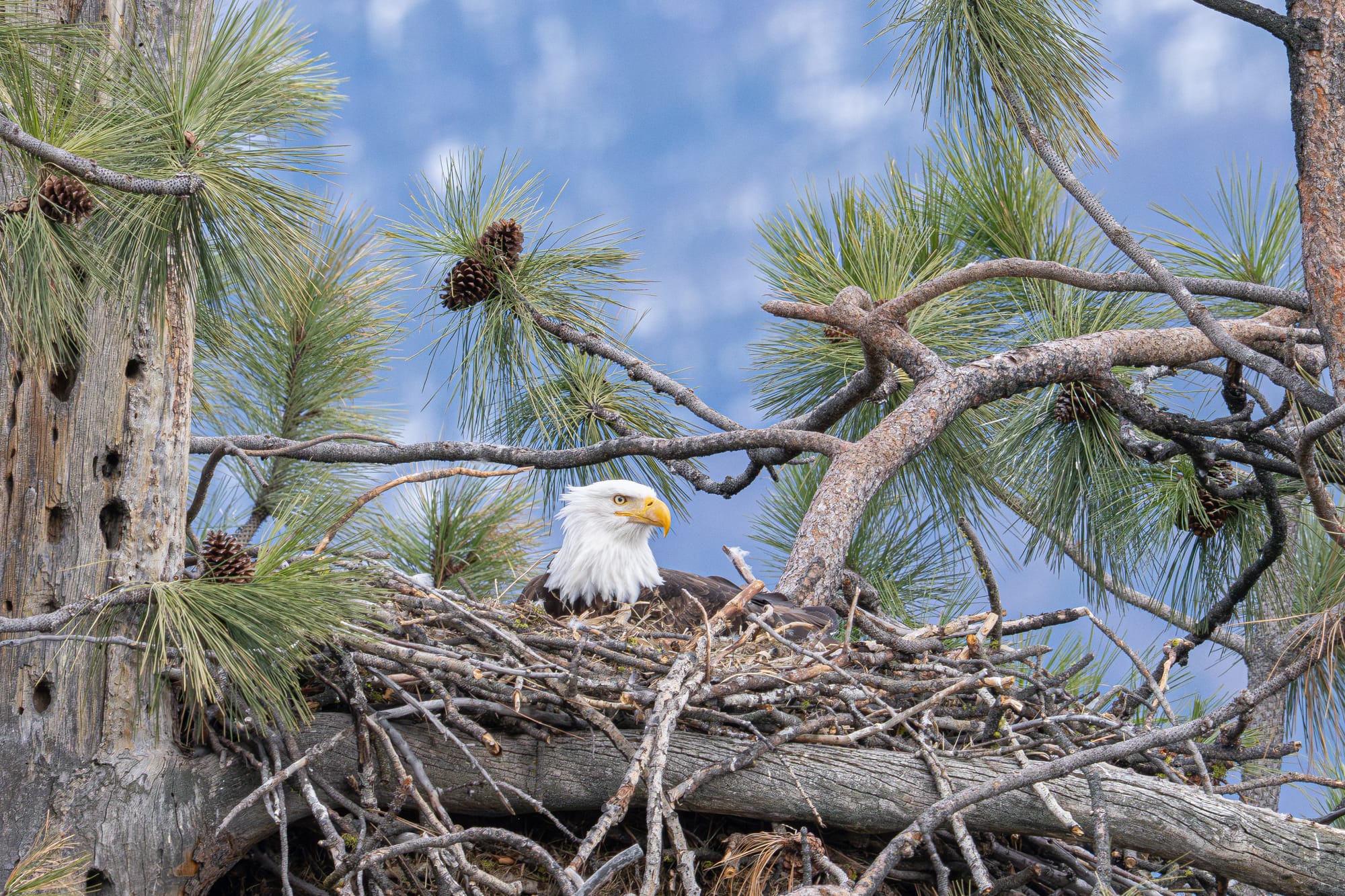
We could point to long-term accumulations of chemicals which are still persisting in the environment, as well as ongoing threats from lead and mercury, but at the end of the day, as I sit and write this newsletter while watching our local bald eagles at their nest, I simply want to celebrate the presence of these magnificent birds in our lives.
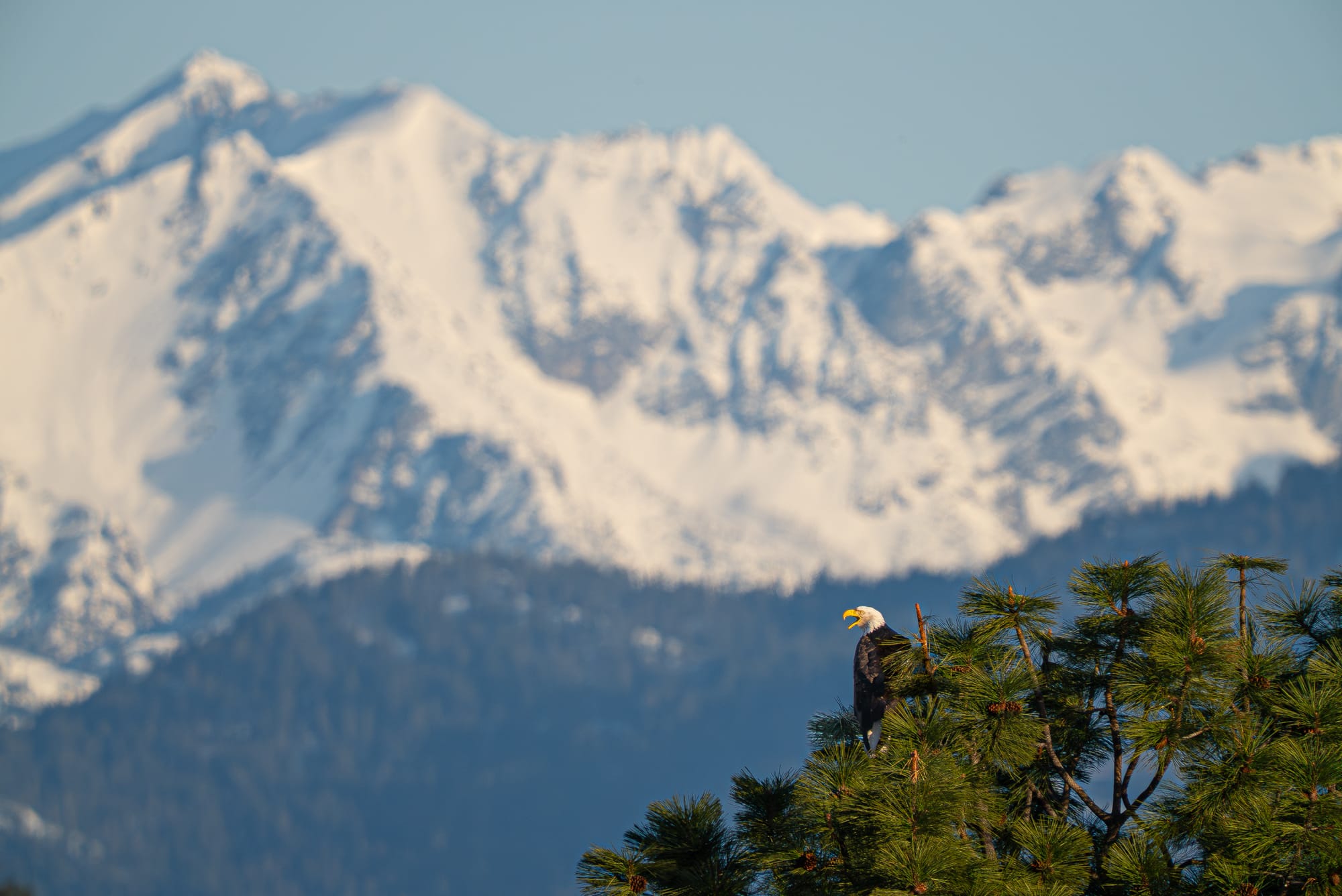
On this lovely spring day, it's enough to marvel at the resilience and beauty of nature and be grateful for the efforts of countless people who are working to make a difference in the world. Thank you, everyone, for being part of this journey in whatever way you can! Keep up the great work!
More Resources:
You can tell that people love bald eagles from the many nest webcams that you can find online (there are even websites that list all the webcams following different bald eagle nests). The current fan favorite seems to be the eagles named Jackie and Shadow, who are nesting at Big Bear Valley near Los Angeles. I just checked, and they have 788,000 subscribers, with 27,000 people actively watching the webcam!

Member discussion