An Overwhelming Strategy
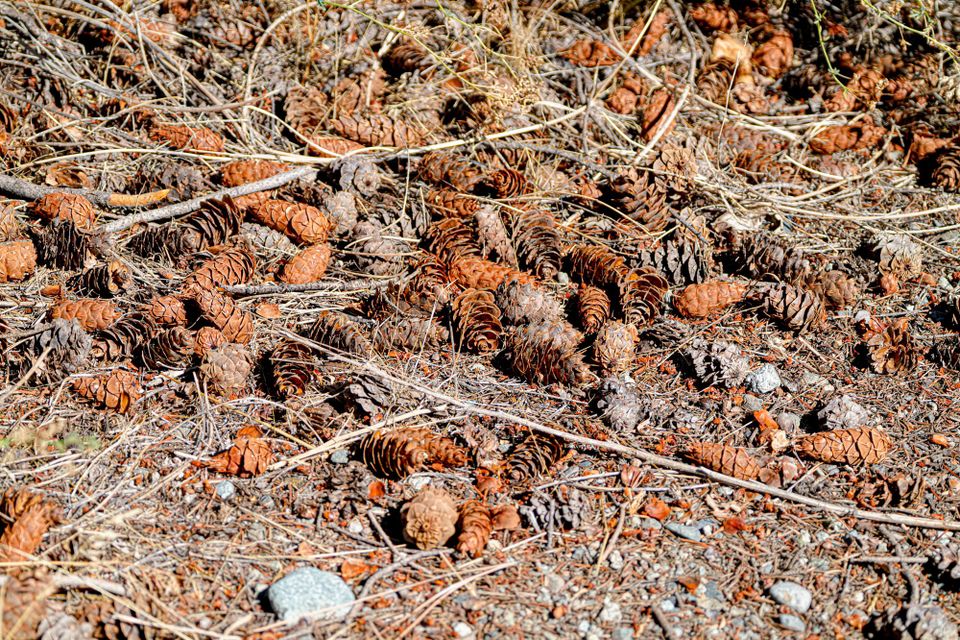
Have you ever noticed how trees produce overwhelming numbers of seeds and fruits some years, and then other years there are hardly any at all? What you're witnessing is an incredibly important strategy known as masting, and scientists are just beginning to unravel some of its mysteries.
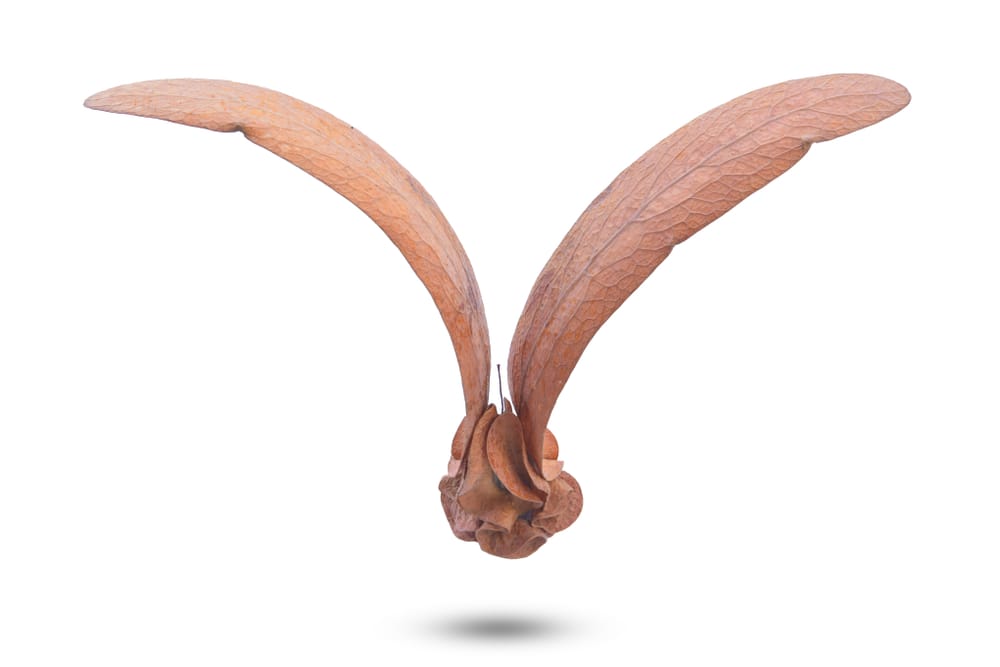
I first became aware of masting when I worked on a Harvard research project in Borneo and had the incredible fortune of being there during a rare dipterocarp mast. Dipterocarps are hardwood trees that dominate the tropical forests of Southeast Asia, with some species reaching massive sizes. And when these trees mast, it is the stuff of legend, with up to 50 species at a time producing mind-boggling numbers of large, winged seeds that fill the air as they spiral to the ground.
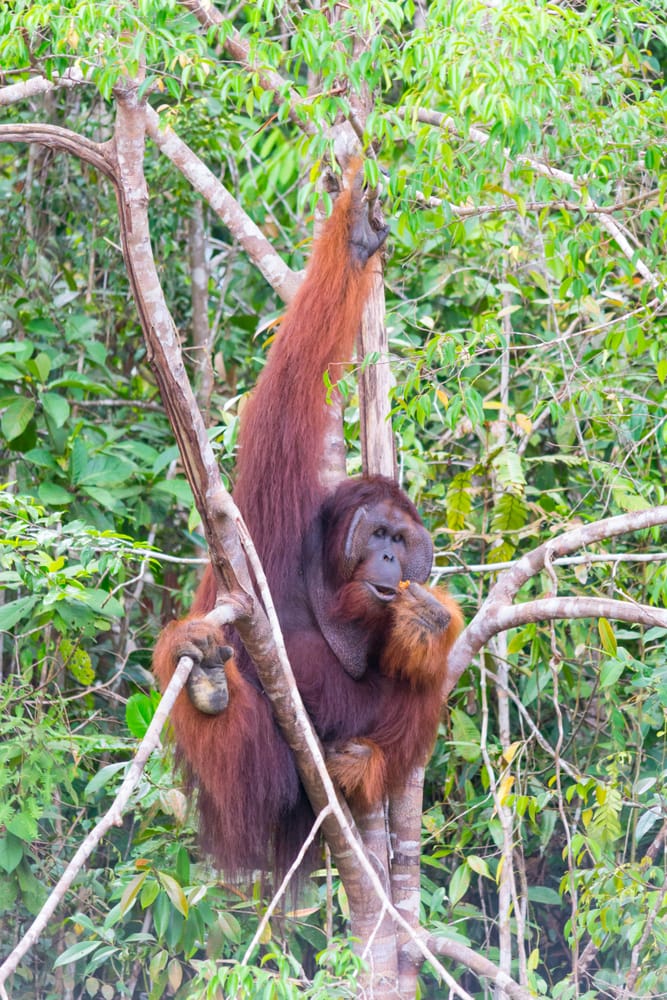
Part of our research involved studying how variations in the numbers and distribution of seed crops impacted animals like orangutans and hornbills, so it really opened my eyes to this remarkable phenomenon for the first time.
Only later did I learn that masting is a global plant strategy that includes a huge range of plants ranging from oaks and beeches to pines and firs, and that it is something we can experience almost anywhere.
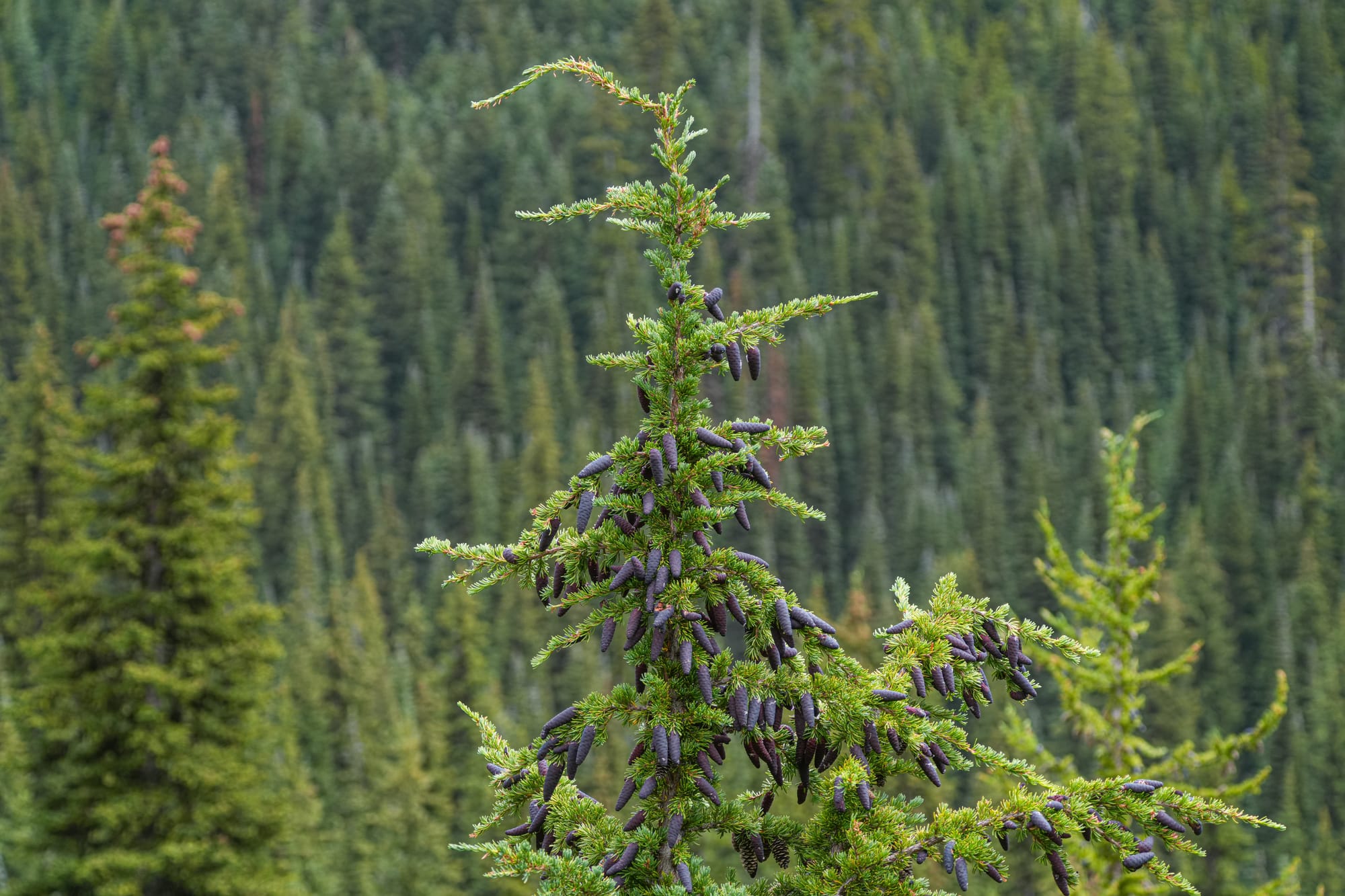
Simply put, masting is when plants of one or more species synchronize their fruiting cycles across vast areas. For instance, trees that are 1500 miles apart and spread over areas as large as the United States can mast on the same schedule. But what defines masting is that these events are intermittent, with years of abundance followed by one or more years of scarcity.
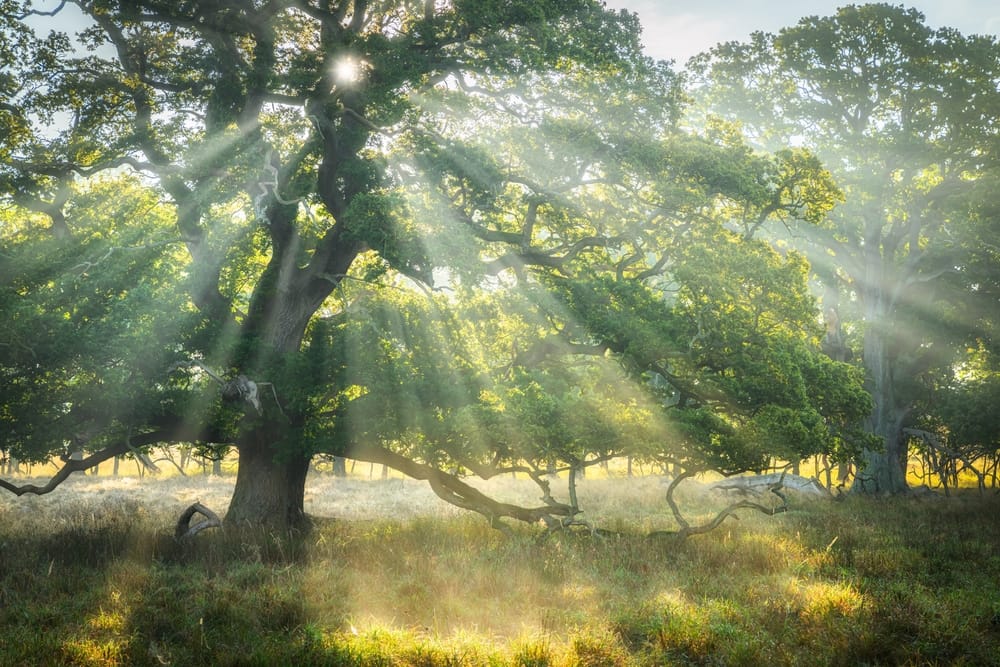
The reason for this strategy seems pretty straightforward: many animals eat seeds, so more of your seeds will survive if you overwhelm seed-eaters with far more seeds than they can eat. And then if you don't produce any seeds for a couple of years, seed-eaters are forced to find something else to eat or die of starvation.
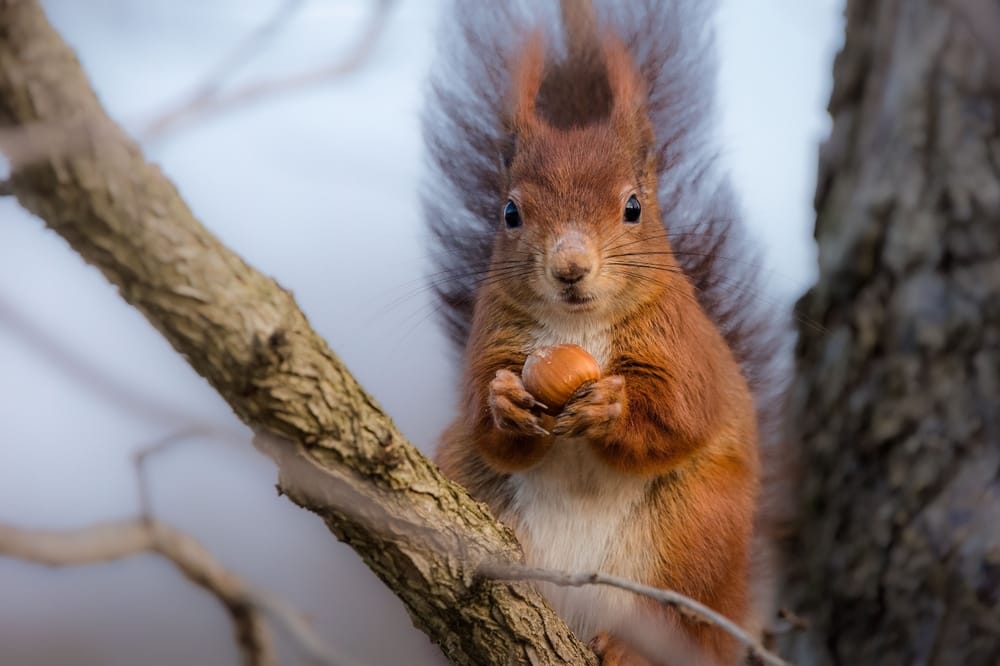
But the more intriguing question that keeps scientists awake at night is: HOW do trees across hundreds of miles or tens of thousands of acres or across multiple species all fruit at the same time?! Are trees talking to each other through the mycorrhizal web or by producing distinctive smells? After decades of sifting through possible explanations, the prevailing idea is that trees are responding to large-scale environmental fluctuations such as those found in El Niño years, especially if those fluctuations coincide with critical flowering times that then produce bumper crops of seeds.
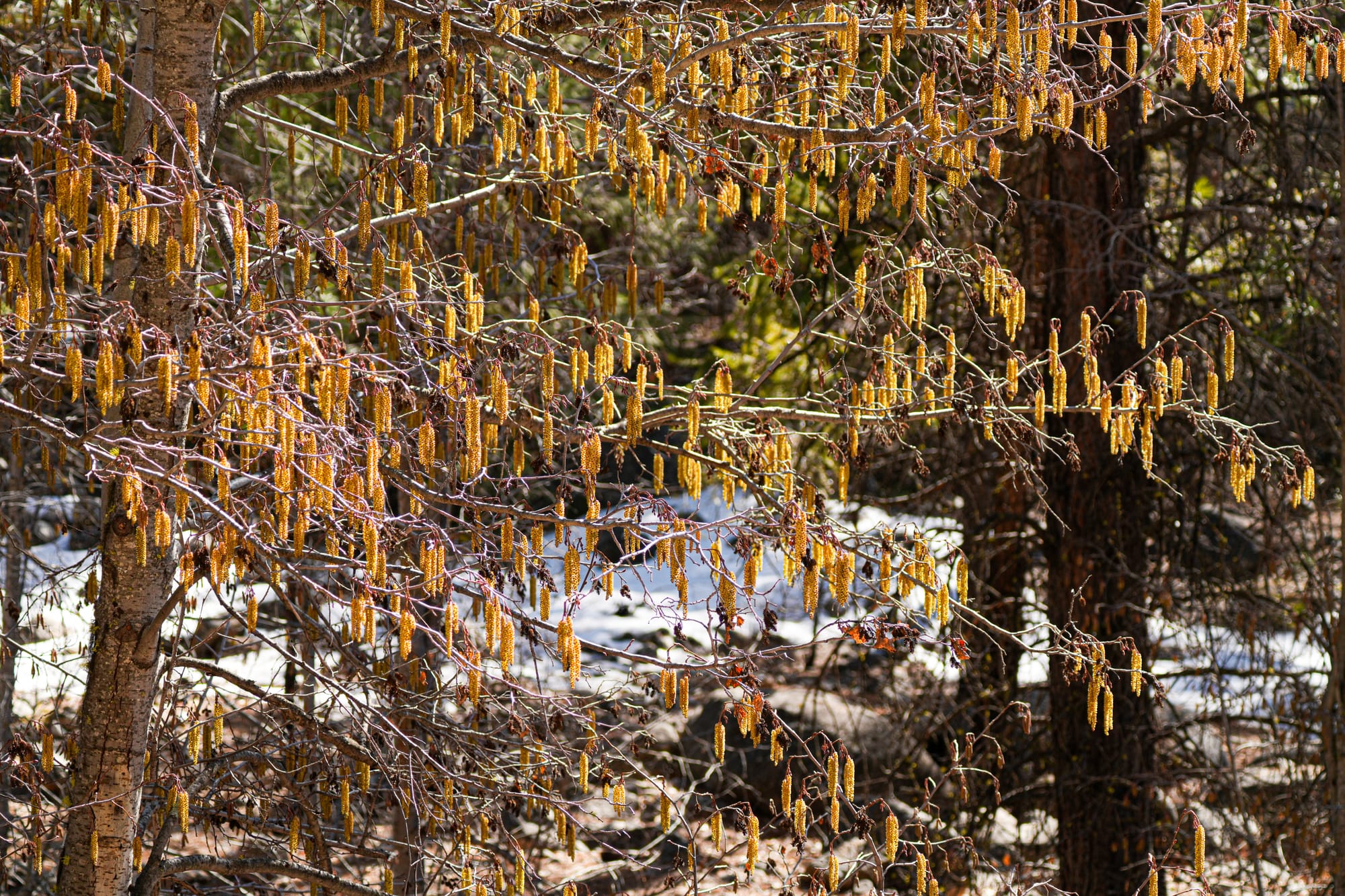
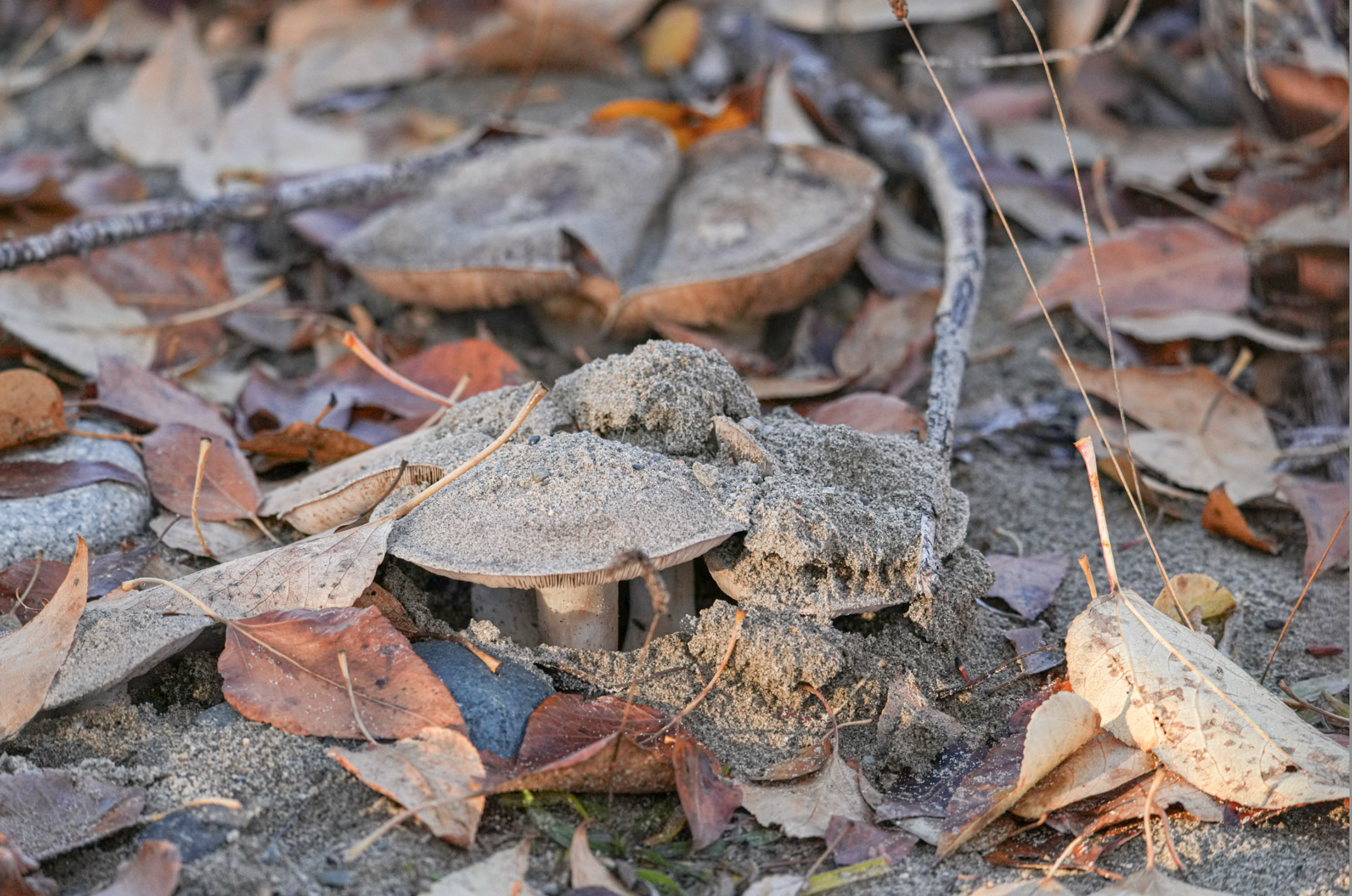
What I find even more fascinating are the endlessly rippling effects of masting events because masting shapes everything in the ecosystems where they occur. For example, when trees divert carbon and nitrogen to produce massive numbers of seeds, it changes the entire nutrient balance in a forest ecosystem. And not only do wild swings in the availability of food shape the evolution of bird and mammal behaviors, but masting impacts seed-eaters, the predators who eat seed-eaters, the scavengers who feed on the bodies of dead seed-eaters and predators, and the soil microorganisms and fungi that decompose all of the above.
Another well-known example is how bumper crops of acorns in eastern hardwood forests lead to big jumps in the numbers of mice and deer that harbor disease-carrying ticks that impact lots of people. Mice also eat large numbers of bird eggs and nestlings, so they impact songbird populations, and at the same time they also eat lots of gypsy moths, so they help forests.
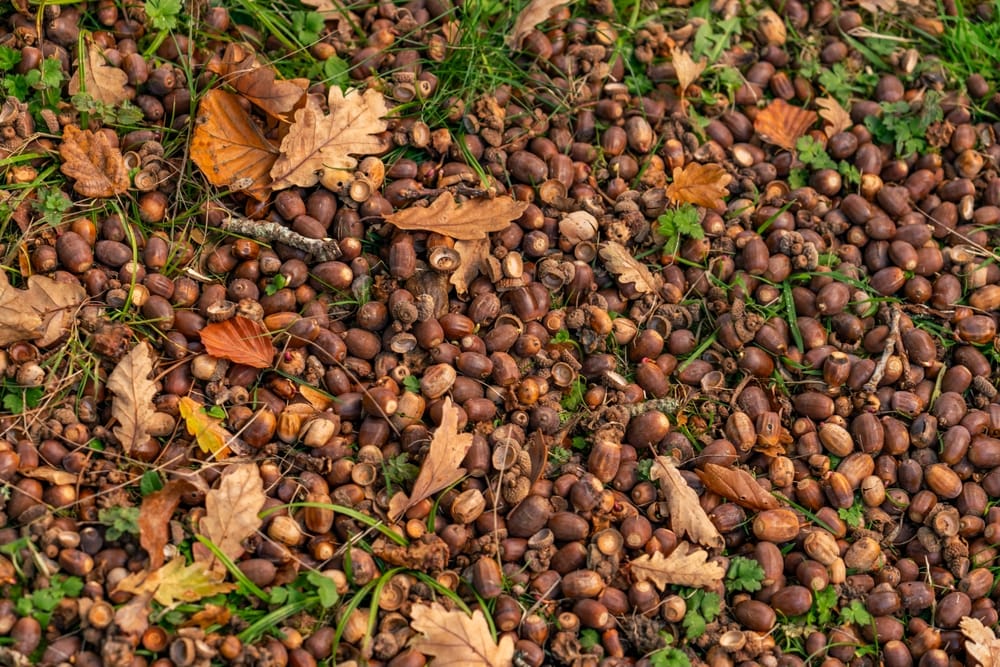
Masting might seem like a simple predator-avoidance strategy used by plants, but it happens on such a massive scale that it has far bigger impacts than you might realize. And on a personal level, it's an amazing thing to experience. Have you ever been around a masting event?
Further Reading:
This paper is a bit too technical for its own good, but it brings up some good points: Dynamics, Mechanisms, and Consequences of Mast Seeding.

Member discussion